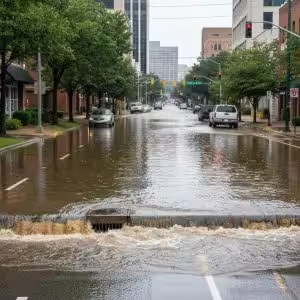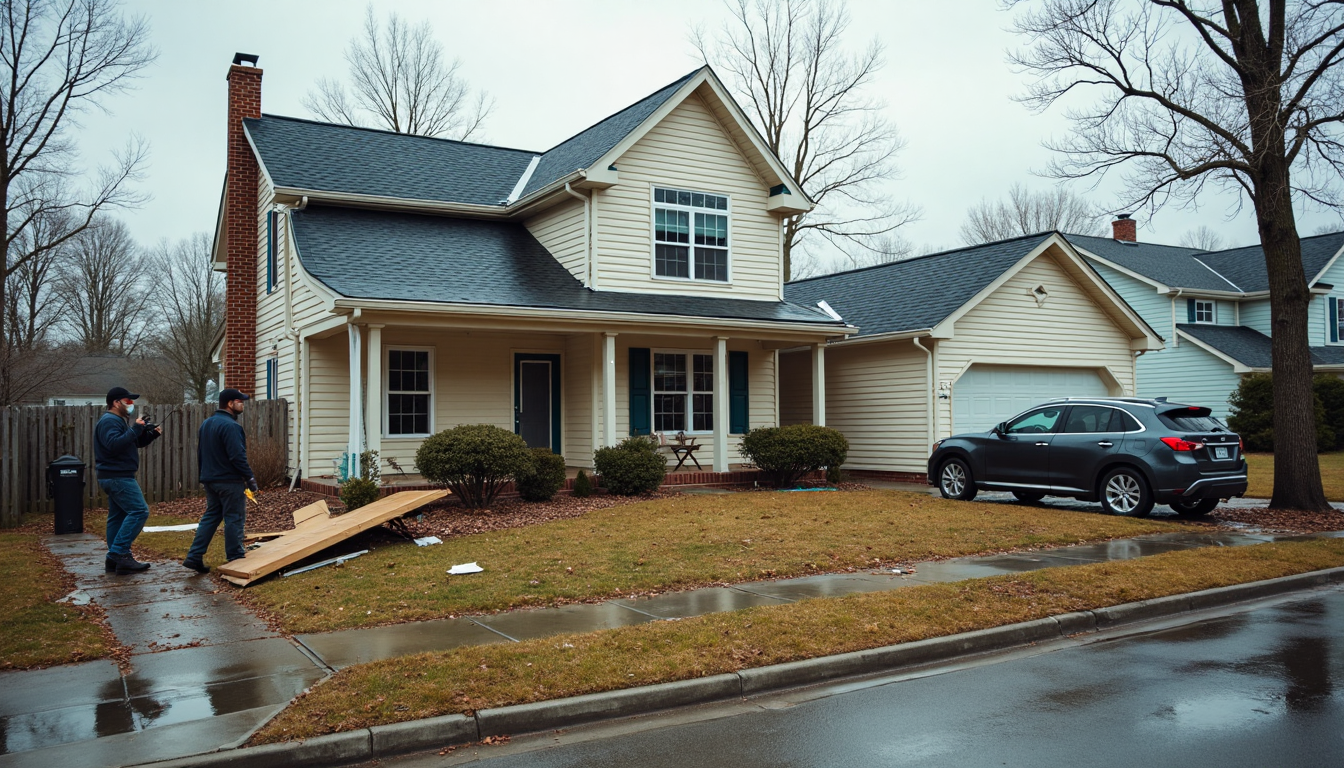
Charlotte homeowners face an uphill battle after disaster hits their properties. You might think the worst is over once the storm or fire passes. Yet the true challenge begins with what you do next. Over 60 percent of post-disaster home repairs in Charlotte end up costing double the original estimate due to unnoticed hazards and overlooked steps. This surprising spike is not just about hidden damage—it’s because missing a single early task can spiral into major costs and new safety risks. Here’s where the smartest home maintenance steps flip the script and set you up to avoid those expensive setbacks.
Table of Contents
- Assessing Property Damage And Safety Risks
- Immediate Cleaning And Restoration Best Practices
- Long-Term Maintenance To Prevent Future Issues
- Working With Insurance And Local Professionals
Quick Summary
| Takeaway | Explanation |
|---|---|
| Conduct a Comprehensive Safety Inspection | Before entering a damaged property, check for structural risks like foundation cracks, electrical hazards, and gas leaks to ensure personal safety. |
| Thoroughly Document Damage | Take extensive photographs, videos, and itemized inventory of damaged areas and belongings to support your insurance claims and restoration efforts. |
| Engage Professional Assessors for Complex Issues | Seek out licensed restoration professionals who can identify hidden damages and develop strategies tailored to your property’s specific needs. |
| Implement Long-Term Moisture Management | Maintain ongoing moisture control through regular inspections, drainage systems, and dehumidifiers to prevent future damage and mold growth. |
| Understand Your Insurance Policy | Review your insurance coverage in detail to know your entitlements, and keep meticulous logs of all communications with your insurer throughout the claims process. |
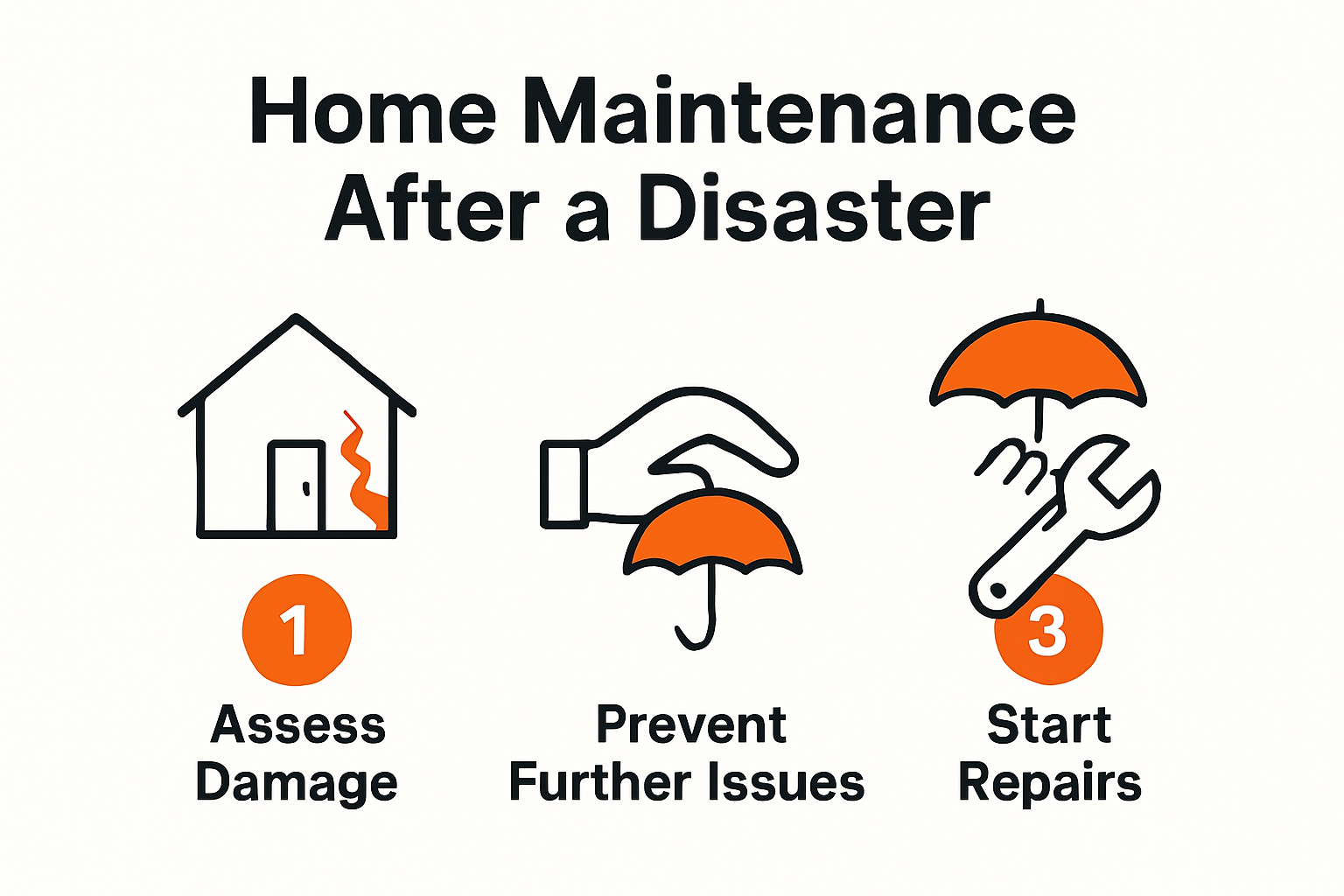
Assessing Property Damage and Safety Risks
After a disaster strikes Charlotte, proper home maintenance requires a systematic and thorough approach to assessing property damage and safety risks. The initial evaluation determines the extent of destruction and potential hazards that could compromise your property’s structural integrity and your personal safety.
Initial Safety Inspection
Before entering your damaged property, conduct a comprehensive safety assessment. Exterior and structural damage can create immediate risks that are not immediately visible. Look for signs of significant structural compromise such as foundation cracks, tilting walls, sagging rooflines, or shifted building frames. Electrical systems, gas lines, and water pipes might have sustained critical damage that could lead to fires, gas leaks, or flooding.
Prioritize personal safety by checking for electrical hazards. Exposed wires, damaged electrical panels, or water infiltration near electrical systems can create electrocution risks. If you notice any electrical damage, do not enter the property until a professional electrician has inspected and cleared the area. Learn more about emergency damage assessment to understand the critical steps in property evaluation.
Documentation and Evidence Gathering
Thorough documentation is crucial for insurance claims and potential restoration efforts. Systematic evidence gathering helps establish the full scope of damage and supports your compensation process. Start by taking comprehensive photographs and videos of all affected areas. Capture wide shots showing overall damage and close-up images revealing specific destruction points. Document damage to structural elements, personal belongings, and interior spaces.
Create a detailed inventory of damaged items, including estimated replacement costs. Note the condition of items before and after the disaster. This documentation serves as critical evidence for insurance adjusters and helps expedite your claim process. Use digital tools or physical notebooks to maintain organized records of all damage-related information.
Professional Assessment and Expert Consultation
While initial self-assessment provides valuable insights, professional evaluation is essential for comprehensive damage understanding. Certified home maintenance and disaster recovery experts can identify hidden structural damages, potential long-term risks, and provide expert recommendations for restoration. These professionals use specialized equipment like moisture meters, thermal imaging cameras, and structural analysis tools to detect issues invisible to the untrained eye.
Consult with licensed contractors who specialize in post-disaster home maintenance and restoration. They can provide detailed reports on the extent of damage, recommend immediate stabilization measures, and develop comprehensive repair strategies. Professional assessments are particularly critical in regions like Charlotte, where diverse weather conditions can compound disaster-related structural challenges.
Remember that quick and accurate damage assessment is not just about property restoration—it’s about ensuring the safety of you and your family. Take methodical, careful steps, prioritize personal safety, and leverage professional expertise to navigate the complex process of home maintenance after a disaster.
Immediate Cleaning and Restoration Best Practices
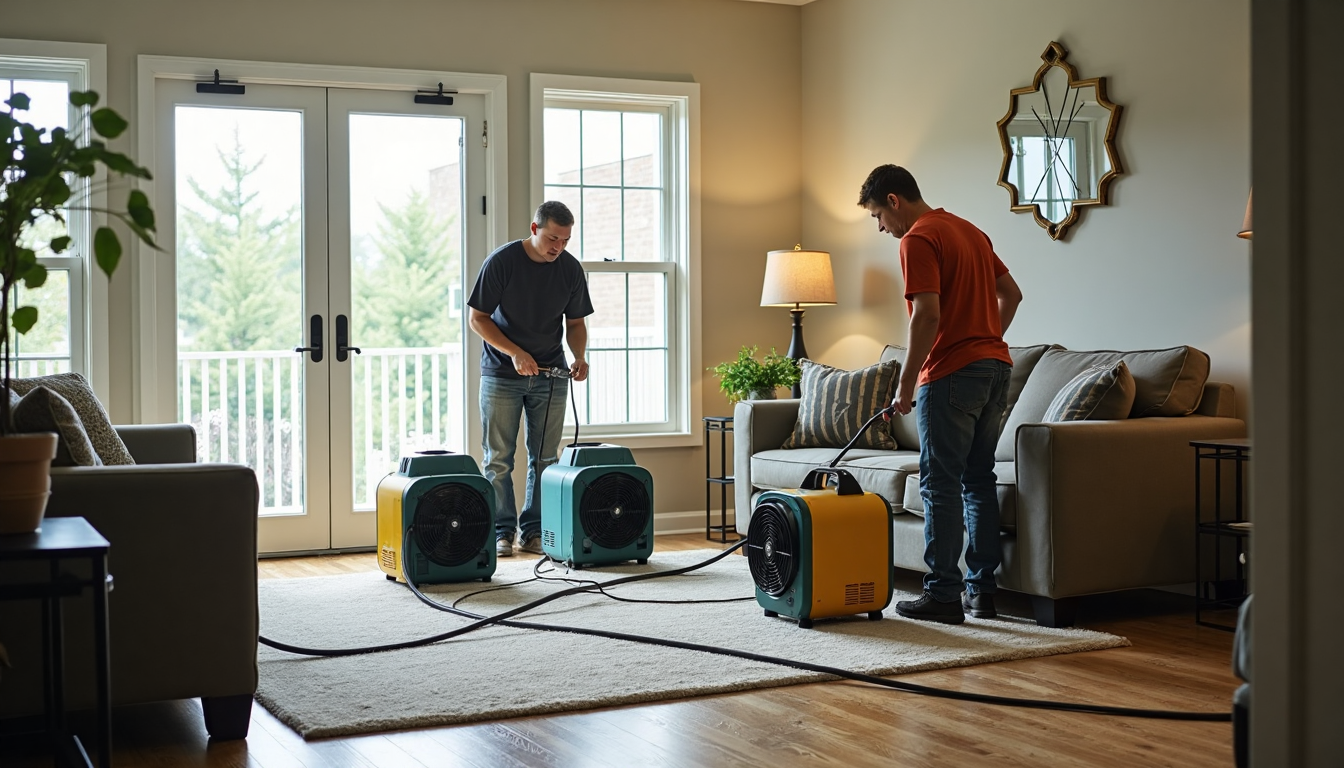
In the aftermath of a disaster, immediate and strategic cleaning and restoration practices are critical for preventing further property damage and protecting your home’s long-term structural integrity. Charlotte homeowners must act quickly and systematically to mitigate potential secondary damages that can emerge in the disaster’s wake.
Water Removal and Moisture Control
The first critical step in post-disaster cleaning involves comprehensive water removal and moisture management. Standing water can rapidly deteriorate building materials, promote mold growth, and compromise structural elements. Begin by using industrial-grade water extraction equipment to remove standing water efficiently. Portable wet vacuums, submersible pumps, and water-removal trucks can help eliminate moisture from affected areas.
After water extraction, focus on thorough drying processes. Use high-velocity air movers and commercial-grade dehumidifiers to reduce ambient humidity and accelerate surface drying. Pay special attention to hidden moisture pockets in walls, under flooring, and within insulation. Moisture detection tools like thermal imaging cameras can help identify concealed wet areas that traditional methods might miss. Learn about advanced restoration techniques to understand the comprehensive approach needed for effective water damage mitigation.
Sanitization and Contamination Prevention
Disaster scenarios often introduce significant health risks through contamination from floodwaters, sewage backups, or structural damage. Professional sanitization becomes paramount in preventing potential health hazards. Use EPA-approved antimicrobial and antifungal treatments to disinfect affected surfaces thoroughly. This process involves more than surface cleaning—it requires deep sanitization of porous materials like drywall, carpeting, and wooden structures.
Wear appropriate personal protective equipment during cleaning, including respirators, waterproof gloves, and protective eyewear. Remove and properly dispose of contaminated materials that cannot be effectively cleaned, such as soaked carpeting, damaged insulation, or saturated drywall. Implement a systematic approach to sorting salvageable and non-salvageable items, which helps streamline insurance claims and restoration efforts.
Professional Restoration and Specialized Cleaning
While initial cleaning efforts are crucial, professional restoration services provide comprehensive solutions that address complex damage scenarios. Certified restoration professionals utilize specialized equipment and techniques beyond standard cleaning methods. They can perform structural assessments, implement advanced drying techniques, and develop tailored restoration strategies specific to your property’s unique damage profile.
Professional teams also understand the intricate processes of material restoration. They can salvage items that might seem beyond repair, using techniques like content cleaning, document restoration, and specialized fabric treatment. Their expertise extends to addressing secondary damage risks such as potential structural warping, electrical system complications, and long-term moisture-related deterioration.
Remember that swift, strategic action is your best defense against extensive property damage. By combining immediate cleaning practices with professional restoration expertise, you can significantly reduce the potential for long-term structural issues and protect your property’s value and safety.
Long-Term Maintenance to Prevent Future Issues
After experiencing a disaster, long-term maintenance becomes crucial for protecting your property and preventing future damage. Charlotte homeowners must develop a comprehensive strategy that addresses potential vulnerabilities and strengthens their property’s resilience against future environmental challenges.
Structural Reinforcement and Preventative Upgrades
Structural integrity is the foundation of effective long-term maintenance. Begin by conducting a comprehensive professional assessment of your property’s structural components. This evaluation should identify potential weaknesses exposed by the recent disaster and recommend targeted reinforcement strategies. Focus on critical areas such as foundation stability, roof structural integrity, and exterior wall resilience.
Consider implementing structural upgrades that enhance your home’s disaster resistance. This might include installing impact-resistant windows, reinforcing roof connections, adding hurricane straps, and improving drainage systems. These proactive measures can significantly reduce future damage risks. Explore comprehensive restoration strategies to understand how strategic upgrades can protect your property.
Ongoing Moisture and Environmental Management
Moisture control remains a critical long-term maintenance priority. Implement a systematic approach to preventing water intrusion and managing environmental moisture levels. This involves regular roof inspections, maintaining proper grading around your property to direct water away from foundations, and ensuring effective drainage systems.
Install moisture barriers in vulnerable areas and consider advanced moisture detection technologies. Regular inspections of crawl spaces, attics, and basement areas can help identify potential moisture issues before they escalate. Use dehumidifiers in high-humidity areas and ensure proper ventilation throughout your home. Pay special attention to sealed areas that might trap moisture and create conditions conducive to mold growth.
Comprehensive Maintenance and Monitoring Strategy
Develop a proactive maintenance schedule that goes beyond typical home upkeep. Create a detailed documentation system to track all repairs, upgrades, and maintenance activities. This record becomes invaluable for insurance purposes and helps you monitor your property’s long-term condition. Conduct quarterly professional inspections that focus on potential disaster-related vulnerabilities.
Invest in preventative technologies and monitoring systems. This might include advanced weather monitoring equipment, smart home sensors that detect water leaks, and structural monitoring devices. These tools can provide early warning signs of potential issues, allowing you to address problems before they become significant threats.
Remember that long-term maintenance is an ongoing process. It requires consistent attention, proactive planning, and a willingness to invest in your property’s resilience. By implementing a comprehensive maintenance strategy, you can significantly reduce the risk of future damage and protect your home’s value and safety. Each maintenance action you take is an investment in your property’s future and your peace of mind.
Working With Insurance and Local Professionals
Navigating the complex landscape of insurance claims and professional restoration after a disaster requires strategic communication, thorough documentation, and a clear understanding of your rights and resources. Charlotte homeowners must approach this process methodically to ensure maximum compensation and efficient property recovery.
Understanding Your Insurance Coverage
Before initiating any claims process, thoroughly review your existing insurance policy. Carefully examine the specific types of disaster coverage, including provisions for water damage, wind damage, flood protection, and additional living expenses. Many homeowners discover unexpected gaps in their coverage only after a disaster strikes. Contact your insurance agent to clarify exact coverage details, potential exclusions, and the specific steps required to file a comprehensive claim.
Document every interaction with your insurance company. Maintain a detailed log of phone calls, emails, and written communications. Take notes of the names, dates, and key points discussed during each conversation. This documentation can prove invaluable if disputes arise during the claims process. Understand the nuances of insurance claim filing to ensure you have all necessary documentation prepared.
Selecting Qualified Local Restoration Professionals
Choosing the right restoration professionals is critical to successful property recovery. Research local contractors who specialize in post-disaster restoration and have extensive experience working with insurance companies. Look for professionals with proper licensing, comprehensive insurance, and positive local references. Verify their credentials through state licensing boards and check online reviews from previous clients.
Request detailed written estimates from multiple restoration companies. These estimates should provide comprehensive breakdowns of proposed work, materials, timelines, and associated costs. Compare these estimates carefully, paying attention to the scope of work, not just the total price. Experienced restoration professionals should be willing to work directly with your insurance company, helping to streamline the claims and repair process.
Navigating the Claims and Restoration Process
Effective communication between you, your insurance company, and restoration professionals is essential. Create a collaborative approach that ensures transparency and efficiency. Request that your restoration contractor provide detailed documentation of all damage, including professional photographs, comprehensive assessment reports, and itemized repair estimates. These documents serve as critical evidence to support your insurance claim.
Be prepared for potential negotiations with your insurance company. Some claims may require multiple assessments or additional documentation. Stay patient, organized, and persistent. If you encounter challenges, consider consulting with a public insurance adjuster who can advocate on your behalf. These professionals understand the intricacies of insurance claims and can help maximize your potential compensation.
Remember that the goal is not just financial recovery but comprehensive property restoration. By approaching the process systematically, maintaining clear communication, and working with qualified professionals, you can effectively navigate the complex aftermath of a disaster. Your proactive efforts will help restore your property and provide peace of mind during a challenging time.
Frequently Asked Questions
What should I do first after a disaster strikes my Charlotte home?
Conduct a comprehensive safety inspection to assess structural damage and potential hazards. Check for foundation cracks, electrical hazards, and gas leaks before entering the property.
How can I document damage for my insurance claim?
Take extensive photographs and videos of all affected areas, and create a detailed inventory of damaged items with estimated replacement costs. This thorough documentation is essential for supporting your insurance claim.
Should I hire a professional after experiencing damage to my home?
Yes, it’s recommended to engage certified restoration professionals who can identify hidden damages, provide a comprehensive assessment, and recommend tailored restoration strategies specific to your property.
How can I prevent future damage after a disaster?
Implement a long-term maintenance strategy that includes structural reinforcement, ongoing moisture control, and regular property inspections. Consider upgrading to impact-resistant windows and improving drainage systems to enhance your home’s resilience.
Protect Your Charlotte Home With the Experts Who Understand Disaster Recovery
After a disaster, you need more than just quick repairs. You need a trusted partner who can spot the hidden structural risks, document damage for your claim, and restore your peace of mind. The article highlights how missing just one step can double your costs or expose you to new hazards. With so many unknowns, you should not have to guess if your safety and investment are at stake.
Take charge of your recovery journey today. The team at National Insurance Claim Specialist (NICS) specializes in post-disaster home maintenance, claims navigation, and high-quality restoration for Charlotte homeowners. Our licensed experts use proven strategies for documentation, moisture control, and insurance negotiations, so you avoid setbacks and get every dollar you deserve. Ready for peace of mind and results? Connect with NICS now and let us help you restore your property the right way—starting today.
Recommended Articles
- Charlotte Restoration: Find Top Disaster Recovery Services
- Rebuilding Lives: Understanding the Significance of Restoration Services After a Disaster – Fire Damage Repair and Water Damage Repair Charlotte NC
- Expert Fire Damage Restoration Services – Fire Damage Repair and Water Damage Repair Charlotte NC