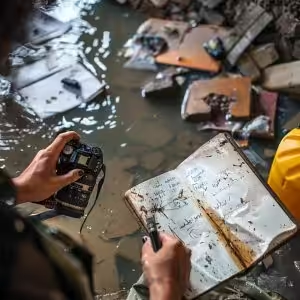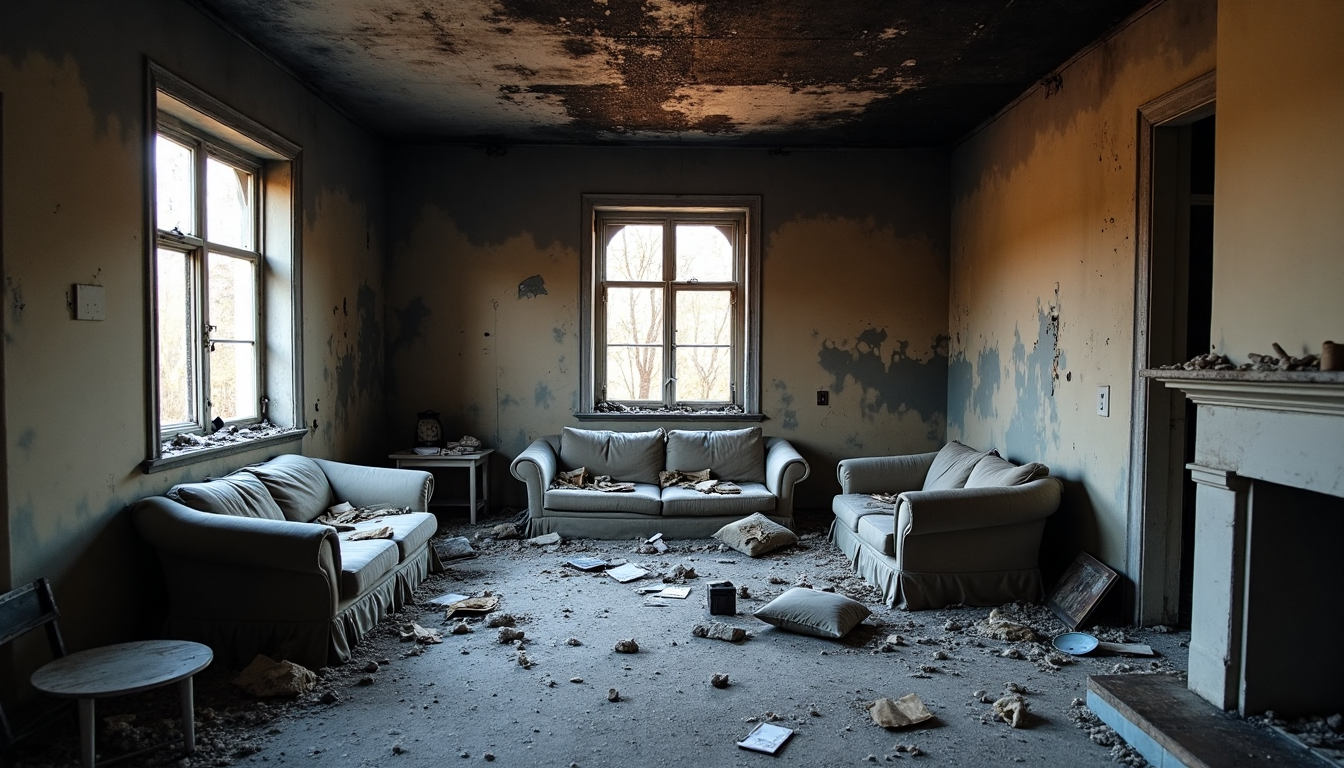
Fire damage can feel overwhelming. With more than 300,000 structure fires reported in the U.S. annually, the aftermath is often more complicated than just charred wood and burnt belongings. But here’s the kicker. The real challenge lies in effectively dealing with smoke and water damage that can linger long after the flames are extinguished. From advanced cleaning techniques to innovative reconstruction methods, understanding the intricacies of fire restoration can transform disaster into a renewed space, ready for a fresh start.
Table of Contents
Quick Summary
| Takeaway | Explanation |
| Comprehensive Damage Evaluation is Essential | A thorough initial assessment categorizes damage severity and identifies safety hazards, serving as the foundation for effective fire restoration planning. |
| Advanced Techniques are Key for Smoke and Soot Removal | Proper neutralization of smoke and soot involves using specific cleaning agents, including alkaline cleaners and organic solvents, tailored to the type of residue present. |
| Holistic Water Damage Mitigation is Crucial | Immediate water extraction and moisture control are vital in preventing secondary damage like mold growth, requiring specialized equipment and techniques. |
| Innovative Technologies Enhance Restoration Efficiency | Utilizing advanced tools like 3D scanning and smart materials during reconstruction allows for more precise and durable repairs, improving the overall restoration process. |
| Comprehensive Documentation Supports Insurance Claims | Meticulous documentation of fire damage is critical for accurate insurance claims, aiding in the restoration process and providing legal records of the damage. |
Initial Fire Damage Assessment and Planning
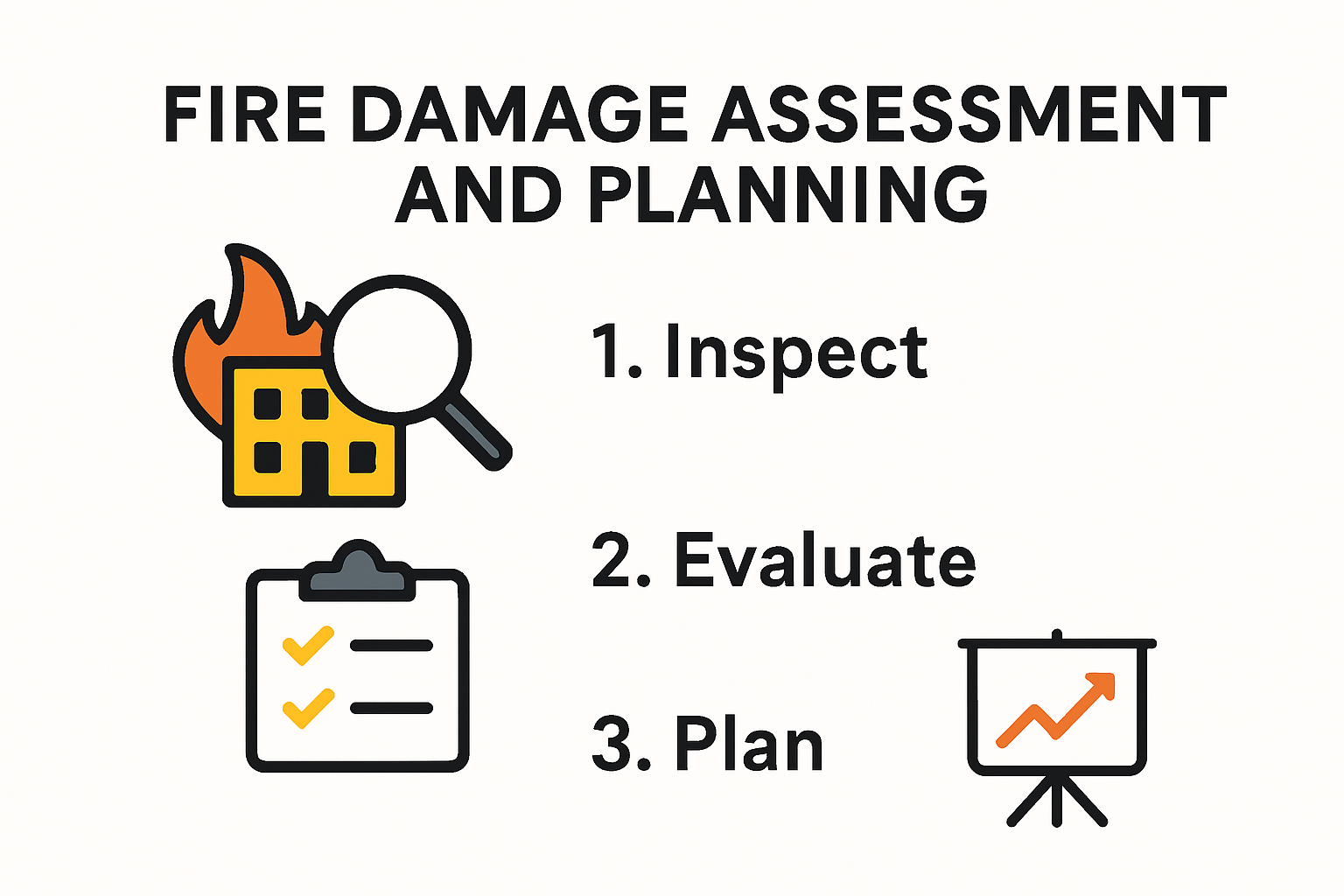
Fire damage restoration begins with a critical first step: a comprehensive and methodical initial assessment. This crucial phase determines the entire trajectory of the restoration process, providing a roadmap for recovery and establishing the foundation for effective property rehabilitation.
Comprehensive Damage Evaluation
The initial fire damage assessment is a meticulous process that goes far beyond a casual inspection. Restoration professionals conduct a thorough examination to understand the full scope of destruction caused by fire, smoke, and subsequent water damage from firefighting efforts. Guarantee Restoration Services notes that this assessment involves categorizing damage severity across three primary levels: minor, moderate, and severe.
Professional assessors systematically examine multiple critical aspects:
-
Structural Integrity: Evaluating potential compromises to the building’s core structure
-
Material Damage: Assessing damage to different materials and surfaces
-
Safety Hazards: Identifying potential risks that could endanger occupants or restoration workers
Documentation and Insurance Considerations
Documentation represents a pivotal component of the initial fire damage assessment. Restoration experts meticulously photograph and document every aspect of the damage, creating a comprehensive record that serves multiple critical purposes. Western Fire & Casualty Adjusters emphasize that this documentation is essential for:
-
Supporting detailed insurance claims
-
Providing a baseline for restoration planning
-
Creating a legal and professional record of the damage
Structural engineers may be called in to conduct advanced evaluations, combining field inspections with laboratory analysis to ensure a complete understanding of the property’s condition. These experts provide critical insights into potential hidden damages that might not be immediately visible.
Strategic Restoration Planning
Following the comprehensive assessment, restoration professionals develop a strategic plan tailored to the specific damage characteristics. This plan considers multiple factors, including the type of materials affected, the extent of damage, and the most effective restoration techniques.
The planning phase involves:
-
Determining the appropriate cleaning and restoration methods
-
Estimating restoration timeline and costs
-
Identifying necessary specialized equipment and expertise
-
Developing a phased approach to property recovery
Professional restoration teams understand that each fire damage scenario is unique. The initial assessment allows them to create a customized approach that addresses the specific challenges of each individual property, ensuring the most effective and efficient restoration possible.
Quick and professional initial assessment is not just about repair—it’s about restoring hope and helping property owners begin their journey toward recovery. By combining technical expertise, systematic evaluation, and compassionate professional support, fire damage restoration experts transform what seems like a devastating loss into a manageable recovery process.
Removing Smoke, Soot, and Water
After a fire, the damage extends far beyond burned materials. Smoke, soot, and water from firefighting efforts create complex contamination challenges that require specialized removal techniques to prevent long-term property damage and health risks.
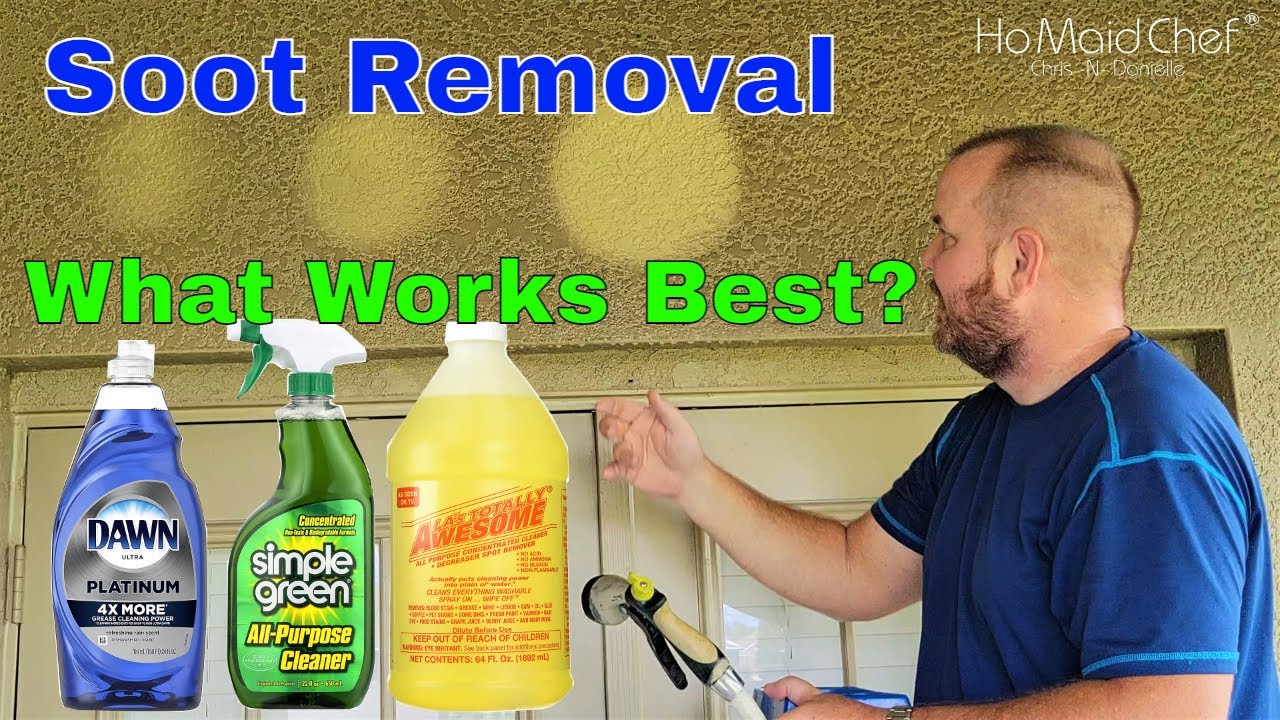
Advanced Smoke and Soot Removal Techniques
Smoke and soot particles are microscopic, acidic contaminants that can penetrate deep into surfaces, causing ongoing damage if not properly addressed. Los Angeles County Public Health recommends using tri-sodium phosphate (TSP) as a powerful cleaning solution. Professional restoration experts mix 4-6 tablespoons of TSP with household cleaner or chlorine bleach in one gallon of warm water to effectively neutralize and remove smoke residues.
The chemistry of smoke removal is complex. Restoration and Remediation Magazine explains that different cleaning approaches are required based on the type of residue:
-
Alkaline Cleaners: Neutralize acidic smoke residues on hard surfaces
-
Organic Solvents: Break down greasy, oily smoke deposits
-
HEPA Filtration: Capture airborne microscopic particles
Air Quality and Particle Removal
Air quality restoration is a critical component of smoke damage remediation. All Dry Services highlights the importance of air scrubbing using HEPA filtration systems. These advanced filters capture invisible smoke particles as small as 0.3 microns, dramatically improving indoor air quality and preventing long-term respiratory health risks.
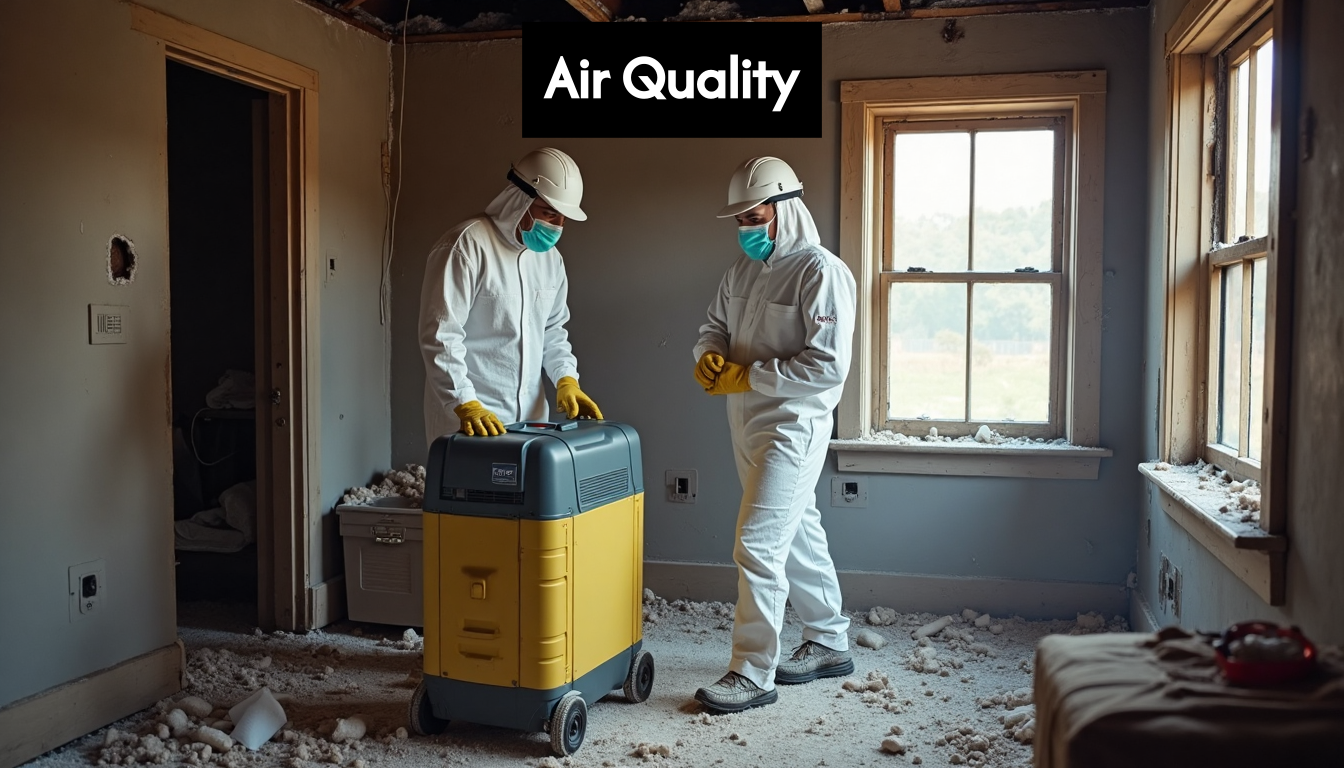
Professional restoration teams employ multiple strategies to address airborne contaminants:
-
Negative air pressure techniques
-
Multi-stage HEPA filtration
-
Specialized air purification equipment
-
Continuous air quality monitoring
Water Damage Mitigation
Water used to extinguish fires creates an additional layer of complexity in restoration efforts. Standing water and moisture can quickly lead to mold growth, structural damage, and secondary contamination if not immediately addressed. Restoration professionals use industrial-grade water extraction equipment, powerful dehumidifiers, and advanced drying techniques to remove moisture and prevent potential long-term damage.
Key water damage mitigation steps include:
-
Immediate water extraction
-
Comprehensive moisture mapping
-
Thermal imaging to detect hidden moisture
-
Strategic dehumidification
-
Structural drying
The restoration process requires a holistic approach that simultaneously addresses smoke, soot, and water damage. By combining advanced cleaning chemistry, sophisticated air purification technologies, and precise moisture control, professionals can effectively restore properties to their pre-fire condition, protecting both the physical structure and the health of its occupants.
Comprehensive Cleaning and Odor Removal
Fire damage restoration extends far beyond initial cleanup, requiring a meticulous and systematic approach to cleaning and odor elimination. Professional restoration teams employ sophisticated techniques to thoroughly decontaminate and restore properties to their pre-fire condition.
Deep Cleaning Strategies
SafetyCulture highlights that comprehensive cleaning represents one of the most labor-intensive phases of fire restoration. This process involves systematically removing soot and smoke residues from every surface, including floors, walls, ceilings, and hidden areas that may harbor contamination.
Professional cleaning approaches include:
-
Surface-Specific Treatments: Utilizing specialized cleaning agents for different materials
-
Detailed Inspection: Identifying and addressing microscopic contamination
-
Multi-Stage Cleaning: Implementing progressive cleaning techniques to ensure thorough decontamination
Advanced Odor Neutralization
Smoke odors penetrate deeply into materials, requiring more than simple air freshening. The American Red Cross recommends comprehensive odor removal strategies that go beyond surface treatments. Restoration professionals employ multiple advanced techniques to eliminate persistent smoke smells:
-
Thermal fogging to neutralize odor molecules
-
Ozone treatment for deep odor penetration
-
Specialized HVAC system cleaning
-
Advanced air purification technologies
Disinfection and Preventative Measures
Beyond cleaning and deodorizing, restoration experts focus on preventing secondary damage. SafetyCulture emphasizes the critical nature of disinfection, particularly in areas exposed to water damage during firefighting efforts. Professionals use antimicrobial treatments to address potential health risks and prevent future complications.
Key preventative steps include:
-
Thorough disinfection of all surfaces
-
Moisture control to prevent mold growth
-
Application of antimicrobial barriers
-
Continuous air quality monitoring
The comprehensive cleaning and odor removal process is both a science and an art. Restoration professionals combine advanced chemical treatments, cutting-edge technologies, and meticulous attention to detail to transform fire-damaged spaces. Their goal extends beyond mere cleaning—they work to restore not just the physical structure, but also the sense of safety and comfort that makes a property feel like home.
Successful restoration requires patience, expertise, and a holistic approach. By addressing every aspect of fire damage—from microscopic soot particles to lingering odors—professionals help property owners reclaim their spaces and begin the process of healing and recovery.
Final Repairs and Restoration
The final repairs and restoration phase represents the critical transformation point where fire-damaged properties are methodically reconstructed, returning them to their original condition or potentially improving their structural integrity and aesthetic appeal.
Structural Reconstruction Strategies
360i Research emphasizes that modern fire restoration goes beyond simple repairs, focusing on comprehensive strategies that prevent long-term structural degradation. Professional restoration teams conduct detailed structural assessments to determine the extent of reconstruction needed, addressing both visible and potential hidden damages.
Key structural reconstruction approaches include:
-
Comprehensive Structural Evaluation: Detailed analysis of load-bearing elements
-
Material Replacement: Using fire-resistant and upgraded building materials
-
Reinforcement Techniques: Strengthening compromised structural components
-
Advanced Diagnostic Technologies: Utilizing thermal imaging and moisture detection
Technological Restoration Innovations
Construction and Restoration Magazine highlights the revolutionary impact of technological advancements in the final restoration phase. Digital project management tools and advanced materials are transforming how professionals approach rebuilding, enabling more precise, efficient, and high-quality restoration work.
Innovative restoration technologies include:
-
3D scanning for precise structural mapping
-
Computer-aided restoration planning
-
Advanced composite materials for enhanced durability
-
Smart home integration during reconstruction
Economic And Market Considerations
IBIS World reports that the nonresidential sector, including commercial and industrial fire restorations, represents the largest segment of the restoration market. This indicates a sophisticated approach to final repairs that balances technical expertise, cost-effectiveness, and long-term property value preservation.
Critical economic restoration considerations involve:
-
Comprehensive insurance claim management
-
Cost-effective repair strategies
-
Value-added reconstruction techniques
-
Long-term durability assessments
Successful final repairs and restoration require more than technical skill—they demand a holistic approach that combines structural engineering, technological innovation, and a deep understanding of property restoration. Restoration professionals work meticulously to not just rebuild, but to reimagine spaces, transforming fire-damaged properties into resilient, safe, and potentially improved environments.
The ultimate goal of final repairs extends beyond physical reconstruction. It’s about restoring hope, providing comfort, and helping property owners reclaim their spaces with confidence and peace of mind. Through careful planning, advanced technologies, and expert craftsmanship, restoration teams turn traumatic fire damage into an opportunity for renewal and improvement.
Frequently Asked Questions
What are the initial steps in fire restoration?
Fire restoration begins with a comprehensive damage assessment, which categorizes the severity of the damage and identifies safety hazards. Following this, documentation for insurance purposes and a strategic restoration plan are developed.
How is smoke and soot removed from a fire-damaged property?
Advanced smoke and soot removal involves using specific cleaning agents like alkaline cleaners and organic solvents, as well as HEPA filtration systems to capture small particles. It’s crucial to address both visible and microscopic residues to prevent ongoing damage.
What techniques are used for water damage mitigation after a fire?
Immediate water extraction is essential to prevent mold growth and further structural damage. Professionals utilize industrial-grade water extraction equipment, dehumidifiers, and advanced drying techniques to effectively manage moisture.
How do restoration professionals ensure thorough cleaning and odor removal?
Restoration teams implement detailed cleaning strategies that involve surface-specific treatments, multi-stage cleaning techniques, and advanced odor neutralization methods, such as thermal fogging and ozone treatment, to eliminate smoke odors completely.
Rebuild with Confidence After Fire Damage
Experiencing fire damage can leave you feeling lost and overwhelmed, especially when faced with the complexities of restoration and navigating insurance claims. With so much at stake, the importance of a comprehensive damage assessment and effective restoration plan cannot be overstated. The aftermath of a fire involves not only removing smoke and soot but also addressing water damage and ensuring air quality, all of which require specialized attention.
At National Insurance Claim Specialist (NICS), we understand your urgent need for expert guidance. Don’t face this challenge alone. Our licensed professionals are ready to help you streamline the insurance process, ensuring you receive maximum compensation for your losses. We combine extensive expertise in disaster recovery with ethical service, providing the personalized support you need every step of the way.
Ready to start your recovery journey? Visit us at https://nicsrestoration.com today and schedule a consultation. Let’s work together to restore not only your property but also your peace of mind!