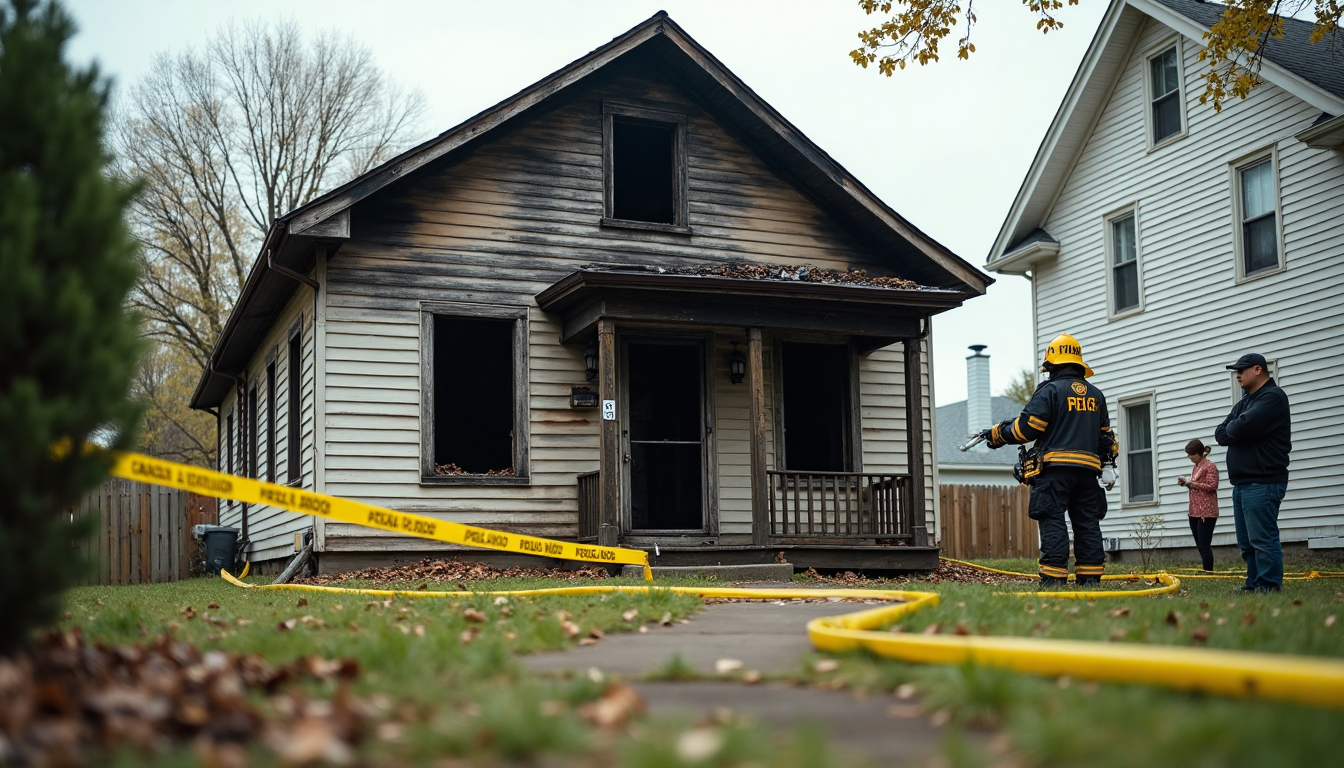
Fire can devastate a Charlotte property in minutes, yet many owners are caught off guard by hidden gaps in their insurance. Most people assume a policy will cover every loss, but here’s a shocker: North Carolina fire insurance policies can cap personal property coverage at just 40 percent of building value, even on $1 million homes. That means thousands in belongings could go unreimbursed. The real challenge is not just having insurance, but knowing what your policy actually protects—and what it leaves exposed.
Table of Contents
- What Fire Damage Insurance Covers In Charlotte
- Steps To Take After Fire Damage Occurs
- How To File And Maximize Your Insurance Claim
- Choosing The Right Fire Insurance Policy For 2025
Quick Summary
| Takeaway | Explanation |
|---|---|
| Understand Standard Coverage | Familiarize yourself with standard fire damage insurance components, including dwelling coverage, personal property coverage, and additional living expenses, to ensure full financial protection. |
| Documentation is Crucial | Immediately after a fire, document all damage meticulously and contact your insurance provider to initiate the claims process; this will streamline your recovery and facilitate compensation. |
| Choose the Right Policy | Evaluate different fire insurance policy types specific to Charlotte’s risk landscape, focusing on replacement cost coverage, exclusions, and potential additional benefits to ensure comprehensive protection. |
What Fire Damage Insurance Covers in Charlotte
Fire damage insurance provides critical financial protection for property owners in Charlotte, addressing the devastating consequences of unexpected fire incidents. Understanding the specific coverage details can help homeowners and business owners prepare for potential catastrophic events.
Standard Fire Damage Coverage Components
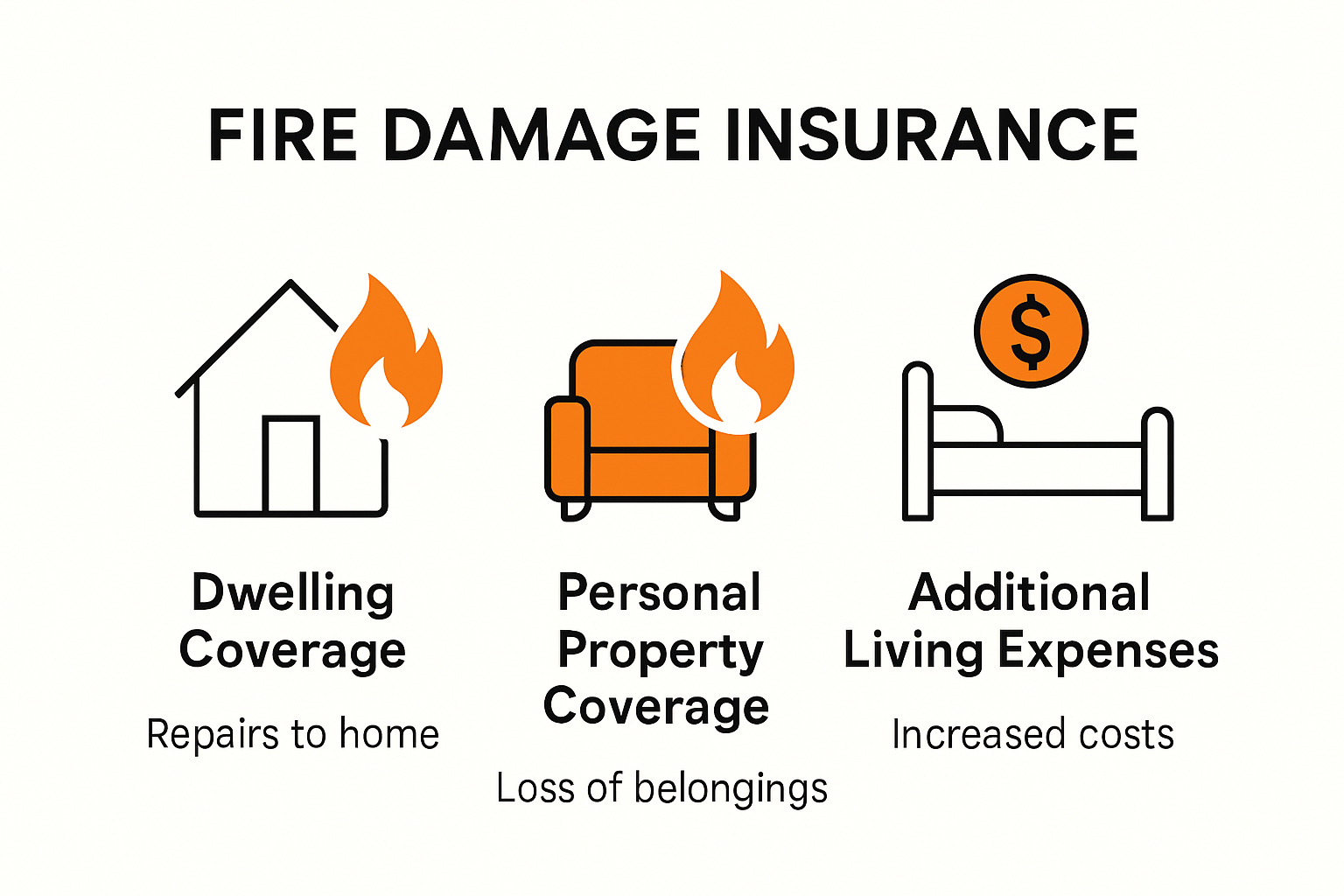
Homeowners insurance policies in Charlotte typically include comprehensive fire damage protection that extends beyond simple structural repairs. Learn more about comprehensive fire damage restoration to understand the full scope of potential coverage. The standard policy generally encompasses three primary areas of protection:
- Dwelling Coverage: Protects the physical structure of your home, including walls, roof, foundation, and attached structures. This coverage helps rebuild or repair your home if it suffers fire damage, ensuring you can restore your property to its pre-fire condition.
- Personal Property Coverage: Reimburses you for personal belongings destroyed in a fire, including furniture, clothing, electronics, and other household items. Most policies provide compensation based on the actual cash value or replacement cost of these items.
- Additional Living Expenses: Covers temporary housing and living costs if your home becomes uninhabitable due to fire damage. This can include hotel stays, restaurant meals, and other necessary expenses while your property undergoes restoration.
Specific Considerations for Charlotte Property Owners
North Carolina insurance policies have unique characteristics that property owners should carefully understand. According to research from local insurance experts, there are critical nuances in fire damage coverage that can significantly impact your claim:
Most standard policies cover accidental fires, including electrical fires, kitchen accidents, and wildfire damage. However, intentional fires—such as those caused by arson—are explicitly excluded from coverage. Insurance companies require comprehensive documentation and will conduct thorough investigations to determine the fire’s origin.
Outbuildings and detached structures may require additional policy riders. Homeowners with workshops, garages, or storage sheds should verify their specific coverage limits and potentially purchase supplemental insurance to ensure complete protection.
Important Claim Documentation Strategies
Successful fire damage insurance claims in Charlotte depend on meticulous documentation and prompt action. Property owners should:
- Contact their insurance provider immediately after a fire incident
- Document all damage through photographs and detailed inventories
- Preserve evidence and prevent further damage to the property
- Keep receipts for any emergency repairs or temporary living expenses
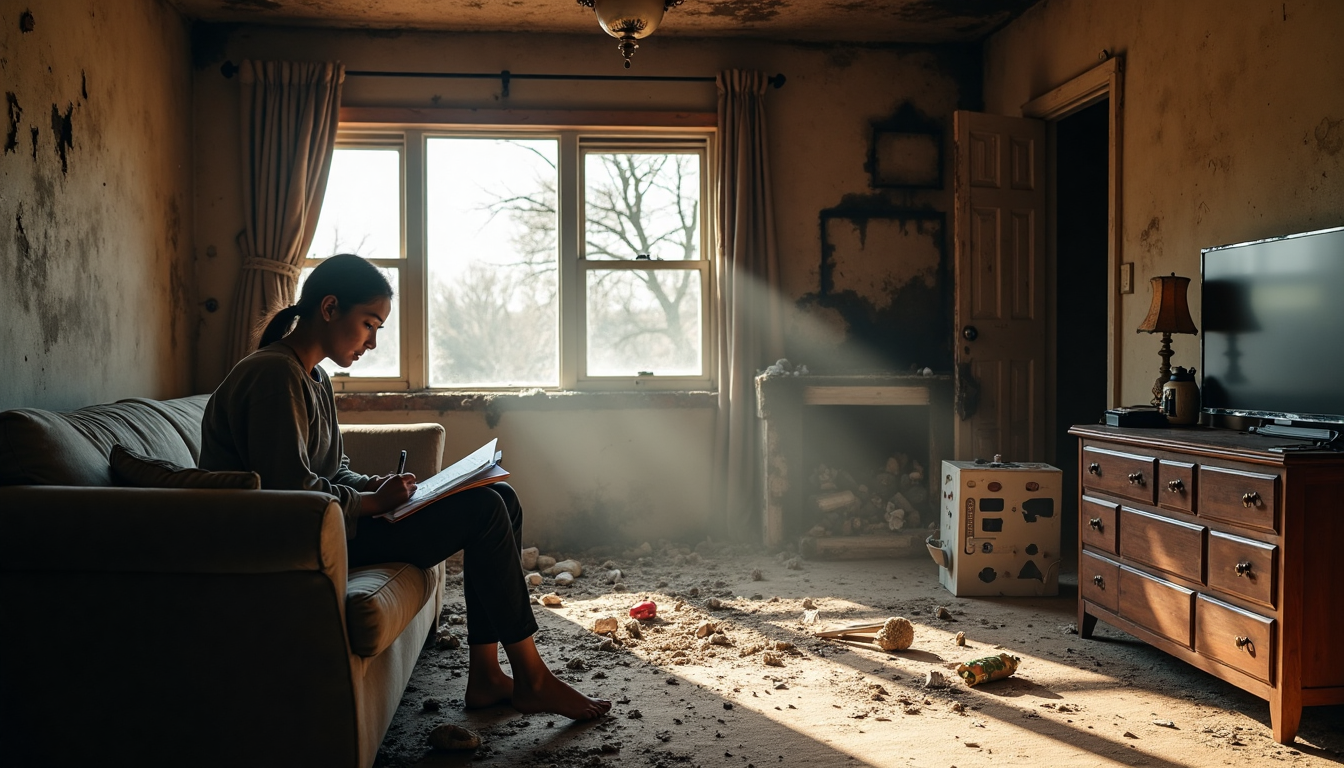
Navigating fire damage insurance claims can be complex, but understanding your policy’s specifics provides crucial financial protection. Charlotte property owners should review their insurance documents annually, consult with their insurance agent about potential coverage gaps, and maintain updated home inventories to streamline potential future claims.
Remember that each fire damage scenario is unique, and policy details can vary significantly between providers. Working closely with experienced insurance professionals ensures you receive comprehensive protection tailored to your specific property needs.
Steps to Take After Fire Damage Occurs
Fire damage can be overwhelming and disorienting, but taking strategic steps immediately after the incident can protect your property, support your insurance claim, and expedite the recovery process. Property owners in Charlotte must act quickly and methodically to minimize further damage and ensure comprehensive insurance coverage.
Immediate Safety and Documentation Protocols
Your first priority is personal safety and securing the property. Do not re-enter the damaged structure until local fire officials confirm it is safe. Once cleared, begin documenting everything meticulously. Learn more about expert restoration strategies to understand comprehensive damage assessment.
Documentation is crucial for successful insurance claims. According to property claims experts, you should:
- Photograph and video record all damage thoroughly
- Note the date and time of the fire
- Collect contact information from responding firefighters and emergency personnel
- Preserve all evidence of damage without attempting extensive cleanup
Contacting Insurance and Initiating the Claims Process
Notify your insurance provider immediately after ensuring personal safety. Most insurance companies have 24-hour claim reporting systems. When communicating with your insurer, be prepared to provide:
- Detailed description of the fire and damage
- Initial damage assessment
- Location and contact information
- Policy number
Insurance claim recovery specialists recommend maintaining a comprehensive record of all communications, including dates, times, and names of representatives you speak with during the claims process.
Property Protection and Temporary Measures
Prevent additional damage by taking immediate protective actions. Cover exposed areas with tarps, board up broken windows, and secure the property against potential theft or further environmental damage. Your insurance policy likely requires you to take reasonable steps to mitigate additional losses.
Create a detailed inventory of damaged personal property. This documentation should include:
- Item descriptions
- Approximate purchase dates
- Original costs
- Estimated replacement values
Consider hiring a professional public adjuster who can help navigate the complex insurance claims process and ensure you receive fair compensation. They understand the nuanced requirements of fire damage claims in Charlotte and can provide expert guidance.
Remember that each fire damage scenario is unique. Professional restoration experts can provide tailored advice for your specific situation. Quick, methodical action can significantly reduce long-term damage and simplify the recovery process. Stay patient, document everything, and work closely with your insurance provider and restoration professionals to restore your property efficiently.
How to File and Maximize Your Insurance Claim
Filing an insurance claim for fire damage requires strategic preparation, meticulous documentation, and a comprehensive understanding of the claims process. Property owners in Charlotte must approach their claim with precision to ensure fair compensation and a smooth recovery experience.
Preparing Your Comprehensive Claim Documentation
Successful insurance claims begin with thorough documentation. Learn strategies for effective claim preparation to maximize your potential recovery. According to local insurance experts, the settlement process can take 4-6 weeks, making detailed documentation critical.
Essential documentation should include:
- Detailed inventory of all damaged property
- Original purchase receipts and proof of ownership
- Professional damage assessment reports
- Photographs and videos of damage from multiple angles
- Estimates from licensed restoration contractors
- Temporary housing and living expense receipts
Create a dedicated file or digital folder organizing all claim-related documents. Include timestamps, contact information for all professionals involved, and copies of all communications with your insurance provider.
Navigating the Claims Adjustment Process
Insurance companies will send a claims adjuster to evaluate the fire damage. Prepare for this critical interaction by:
- Having all documentation readily accessible
- Understanding your policy’s specific coverage details
- Obtaining independent damage estimates from professional restoration companies
- Documenting all conversations and correspondence
Be prepared to negotiate. Claims adjusters may initially offer lower settlements, so having comprehensive documentation and professional damage assessments strengthens your position.
Maximizing Your Insurance Recovery
To optimize your insurance claim, consider these strategic approaches:
- Hire a public adjuster who specializes in fire damage claims
- Get multiple professional damage estimates
- Understand the difference between actual cash value and replacement cost coverage
- Do not rush to accept the first settlement offer
- Review your policy for additional coverage options
Carefully review your insurance policy to understand coverage limits, exclusions, and potential additional benefits. Some policies offer extended living expenses or temporary housing provisions that you might not initially recognize.
Remember that insurance companies are businesses focused on managing their financial risk. Your goal is to demonstrate the full extent of your losses while working collaboratively with your insurance provider. Patience, thorough documentation, and professional guidance can significantly improve your claim’s outcome.
While the claims process can feel overwhelming, approaching it systematically and with detailed preparation will help you navigate the complexities of fire damage insurance recovery in Charlotte. Stay organized, persistent, and professional throughout the process.
Choosing the Right Fire Insurance Policy for 2025
Selecting the appropriate fire insurance policy requires careful consideration of multiple factors specific to Charlotte’s unique property landscape. Property owners must evaluate comprehensive coverage options that protect against emerging risks and provide financial security in an increasingly complex insurance environment.
Understanding Policy Types and Coverage Levels
North Carolina offers multiple fire insurance policy types, with the DP-3 form representing the most comprehensive dwelling coverage. According to North Carolina Department of Insurance, this policy provides “open perils” coverage, meaning it protects against all potential loss causes except those explicitly excluded.
Key policy considerations include:
- Replacement cost coverage versus actual cash value
- Total coverage limits
- Specific fire-related exclusions
- Additional living expense provisions
- Personal property protection percentages
Property owners should carefully assess their individual risk profile, considering factors like building age, construction materials, proximity to fire stations, and local wildfire risks.
Evaluating Coverage for Charlotte’s Specific Risk Landscape
Charlotte’s unique geographic and urban characteristics demand specialized insurance approaches. Research from local insurance experts indicates that residential fire insurance policies in North Carolina can include maximum building coverage up to $1,000,000, with personal property coverage potentially reaching 40% of the approved building limit.
Consider these Charlotte-specific risk factors:
- Proximity to urban and suburban fire zones
- Historical building construction types
- Local vegetation and wildfire potential
- Climate change impact on fire risks
Homeowners should request comprehensive risk assessments from insurance providers who understand Charlotte’s specific environmental and urban challenges.
Strategies for Maximizing Insurance Value
To optimize fire insurance protection, property owners should:
- Conduct annual policy reviews
- Implement home safety improvements
- Document property values meticulously
- Understand policy deductibles and coverage limits
- Consider umbrella policies for additional protection
Request multiple quotes from providers specializing in Charlotte’s property market. Compare not just price, but comprehensive coverage details, claims processing reputation, and customer support quality.
Insurance is ultimately about financial protection and peace of mind. While price matters, comprehensive coverage tailored to your specific property characteristics provides the most meaningful protection. Work with insurance professionals who understand Charlotte’s unique residential landscape and can provide nuanced, personalized recommendations.
Remember that fire insurance is not a static product. Regular policy reviews, staying informed about local risk factors, and proactively managing your property’s safety can significantly impact your insurance effectiveness and potential claim outcomes.
Frequently Asked Questions
What does fire damage insurance cover in Charlotte, NC?
Fire damage insurance in Charlotte typically covers dwelling repairs, personal property damaged in the fire, and additional living expenses if the home becomes uninhabitable.
How can I maximize my fire damage insurance claim?
To maximize your claim, thoroughly document all damage, maintain detailed records of expenses, get professional estimates, and consider hiring a public adjuster to advocate for your interests.
Are there limitations on personal property coverage in North Carolina?
Yes, many North Carolina fire insurance policies cap personal property coverage at about 40% of the dwelling’s total value, so it’s essential to check your specific policy limits.
What steps should I take immediately after experiencing fire damage?
Immediately after fire damage, ensure personal safety, document all damage with photos and notes, contact your insurance provider to report the incident, and take temporary measures to protect your property from further damage.
Reclaim Your Peace of Mind After a Fire in Charlotte
Worried your fire damage insurance might leave you underprotected? The article highlights how hidden policy gaps and strict coverage caps can put your home and belongings at real risk after a fire. It is easy to feel overwhelmed by confusing documentation requirements, unclear limits on personal property, and the pressure to act quickly while emotions run high. Most Charlotte property owners just want a fair claim settlement and a rapid path back to normal life.
Let National Insurance Claim Specialist (NICS) turn your setback into a smooth recovery. Our experts handle complex insurance claims, create detailed inventories, and fight for the full compensation you deserve. We use our experience with Charlotte policies to close coverage gaps and help you avoid frustrating delays. See how our comprehensive disaster recovery services take the stress off your shoulders.
Ready to protect your property and your future? Contact NICS today for a free claim evaluation and get help maximizing your fire damage recovery. Do not wait—get the peace of mind you deserve while your claim is still fresh and your options are open.