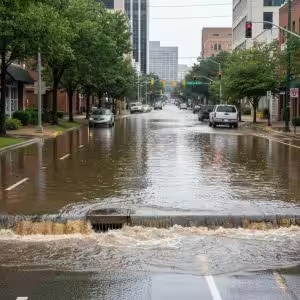
Article: Hurricane Cleanup Resources Every Homeowner Should Know: Essential Local Guidance for Charlotte, NC

Preparing for and recovering from a hurricane demands reliable local hurricane cleanup resources that streamline safety, restoration, and financial support for Charlotte homeowners. Within moments after winds subside, property owners face structural damage, flooding, mold risks, and insurance hurdles that can overwhelm any household. This guide outlines immediate action steps, federal aid options, best cleanup practices, insurance strategies, disaster loan programs, Red Cross relief services, and proactive preparedness measures. By following these Charlotte-specific recommendations—and knowing when to call Nics Restoration for professional emergency damage restoration—homeowners can secure faster recovery, protect their investment, and reduce health risks.
What Immediate Steps Should Homeowners Take After a Hurricane?
Identifying and managing post-storm hazards immediately can prevent further damage and safeguard lives. Homeowners should conduct a safe initial survey, document losses, and secure undamaged areas to limit water intrusion and structural collapse.
Before entering your home, ensure utilities remain off to avoid electrical shocks. Begin by taking photos of visible roof, wall, and window damage for insurance claims. Then, cover exposed areas with tarps or plywood to keep out rain. Finally, set up temporary dehumidifiers or fans to slow mold growth. These actions stabilize your property and prepare the way for professional water extraction and rebuilding services by Nics Restoration in Charlotte.
How to Assess Hurricane Damage Safely and Effectively
Thorough damage assessment requires caution, clear documentation, and systematic checks of key areas.
- Inspect exterior structure from a safe distance without standing under loose debris.
- Check for foundation cracks, roof leaks, and broken windows.
- Verify gas, water, and electrical lines remain intact before reactivating utilities.
- Photograph all damage with date-stamped images to support insurance claims.
This methodical approach reduces the risk of injury and builds a precise loss record that expedites assistance from FEMA or local insurers, setting the stage for urgent cleanup work.
What Are the First Cleanup Tasks After Storm Damage?
Immediate cleanup tasks focus on removing standing water, clearing debris, and reducing moisture to limit secondary issues.
- Remove pooling water using a pump or wet/dry vacuum to prevent structural warping.
- Cut away soaked drywall and insulation at least 12 inches above the waterline for thorough drying.
- Stack salvageable items on pallets or shelves to air out and guard against mold.
- Clear fallen branches and roofing materials to create safe access paths.
Completing these steps lowers humidity levels and diminishes microbial growth, paving the way for full flood damage restoration services by Nics Restoration when needed.
When Should You Contact Emergency Damage Restoration Professionals?
Calling certified restoration experts promptly ensures advanced equipment and techniques address critical damage faster. water damage restoration
- If more than two inches of water remain after DIY pumping efforts.
- When mold appears within 24–48 hours, posing health risks.
- For structural damage such as sagging ceilings, compromised supports, or foundation cracks.
- When smoke, soot, or fire damage compounds water issues following downed power lines.
Engaging Nics Restoration early minimizes downtime, leverages IICRC-certified protocols, and integrates seamlessly with insurance claim support.
How Can Charlotte Homeowners Access FEMA Disaster Assistance?
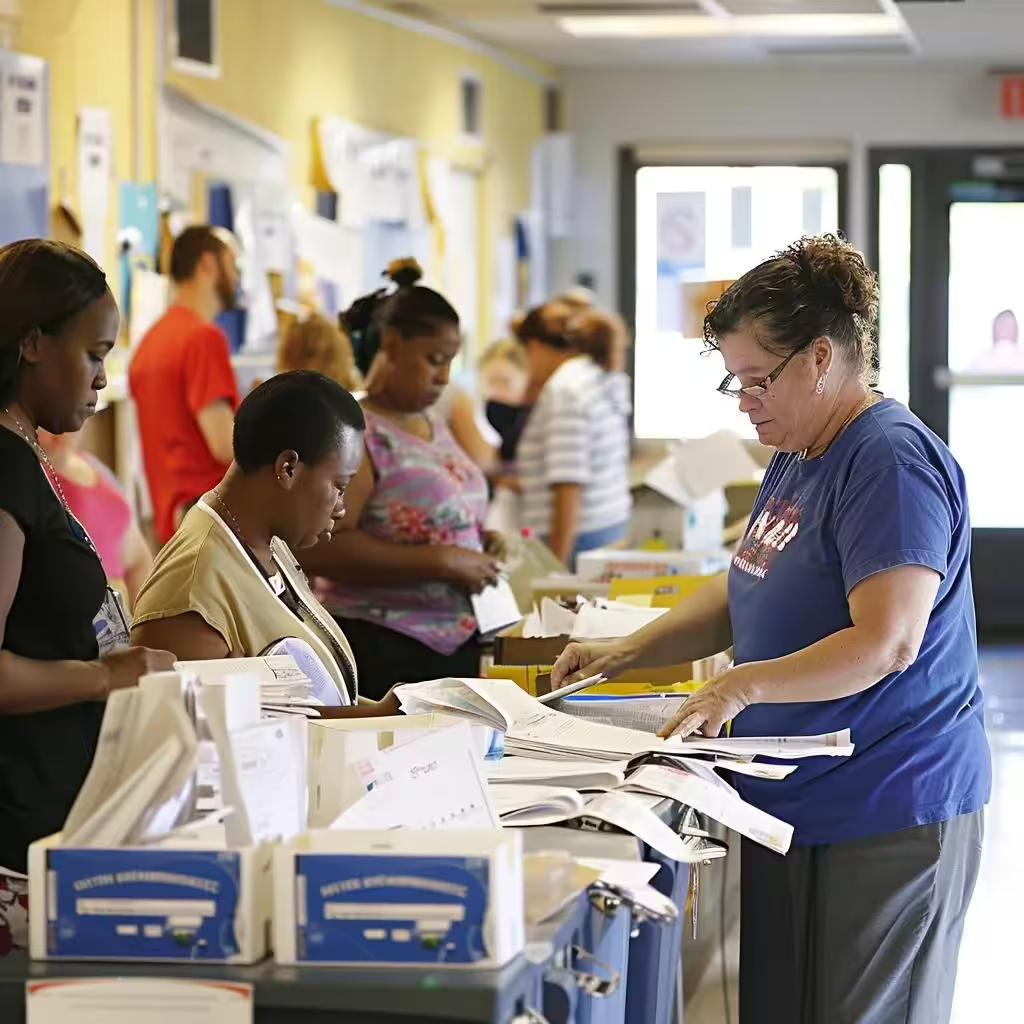
Federal Emergency Management Agency (FEMA) aid offers grants and low-cost loans that bridge financial gaps after hurricane damage. Understanding application types, local contacts, and recommended safety practices accelerates relief for Charlotte residents.
FEMA Disaster Assistance
FEMA provides various types of assistance to individuals and communities affected by disasters, including grants for temporary housing, home repairs, and medical expenses. Public assistance is also available for repairing community infrastructure. Applying online or by phone connects homeowners with local support centers to expedite funding for recovery efforts.
This information supports the article’s section on accessing FEMA disaster assistance and the types of aid available to Charlotte homeowners.
What Types of FEMA Assistance Are Available for Hurricane Damage?
| Entity | Assistance Type | Value |
|---|---|---|
| Individual | Housing Assistance | Covers temporary housing, home repairs up to grant limits |
| Individual | Other Needs Assistance | Funds for personal property, medical, transportation expenses |
| Public | Emergency Protective | Reimbursement to local agencies for debris removal, safety |
| Public | Infrastructure Repair | Funds to rebuild roads, bridges, water control facilities |
How Do You Apply for FEMA Disaster Aid in Charlotte, NC?
- Register online at DisasterAssistance.gov or call 1-800-621-FEMA.
- Submit documentation: photo evidence, proof of occupancy, insurance information.
- Schedule an inspection by FEMA representatives to confirm damage.
- Respond promptly to requests for additional details or verifications.
Completing these steps with accurate records ensures faster grant disbursement, which can be applied toward professional damage restoration by Nics Restoration.
What Local FEMA Resources and Contacts Should You Know?
- Mecklenburg County Disaster Recovery Center, 701 E. 7th Street.
- FEMA Helpline: 1-800-621-3362 (TTY 1-800-462-7585).
- North Carolina Emergency Management website: ncem.org.
What Safety Tips Does FEMA Recommend During Cleanup?
- Wear protective gear: gloves, N95 respirators, steel-toe boots, and eye protection.
- Shut off utilities at the main valve or breaker before entering flood-damaged spaces.
- Avoid standing water near electrical sources to reduce electrocution risk.
- Ventilate enclosed areas and use high-capacity fans and dehumidifiers to lower mold potential.
What Are the Best Practices for Post-Hurricane Flood Damage Cleanup?
Effective flood damage cleanup combines rapid water removal, controlled drying, and proactive mold prevention to restore structural integrity and indoor air quality.
Immediately extract water with pumps or vacuums to mitigate swelling of wood floors and framing. Then deploy industrial dehumidifiers to achieve optimal moisture levels below 15%. Finally, apply EPA-approved antimicrobial treatments to surfaces prone to microbial growth. This comprehensive sequence safeguards homes and aligns with best practices recognized by professional restoration firms.
How to Perform Water Extraction and Structural Drying After Flooding
- Use submersible pumps for deep water removal, then transition to high-power wet/dry vacuums.
- Open all windows and doors when weather permits to increase cross-ventilation.
- Place fans at low angles to drive moist air out of wall cavities.
- Monitor moisture with hygrometers and aim for 30–40% relative humidity.
This protocol preserves drywall, insulation, and structural components, reducing the need for extensive reconstruction by Nics Restoration.
How Can Mold Prevention and Remediation Protect Your Home?
Mold control protects health and prevents secondary deterioration of materials.
- Remove porous items like carpets and ceiling tiles that retain moisture.
- Clean visible mold with detergent solutions and scrub brushes.
- Apply mold-inhibiting sealants to cleaned surfaces to block regrowth.
- Replace severely infested materials and install moisture barriers in crawlspaces.
These measures not only safeguard families from respiratory issues but also complement full-service mold remediation by certified professionals.
When Is Professional Flood Damage Restoration Necessary?
- Water intrusion reaches structural framing or subflooring.
- Electrical systems show signs of short-circuiting after immersion.
- Mold colonies exceed 10 square feet or recur despite cleaning.
- Critical HVAC components are contaminated or compromised.
Promptly calling Nics Restoration ensures specialized equipment, thorough drying protocols, and validated microbial testing restore safety and habitability.
What Local Charlotte Services Offer Debris Removal After Hurricanes?
- Mecklenburg County roll-off dumpsters for yard debris.
- Licensed private haulers: Carolina Debris Management, Storm Sweepers, Inc.
- City of Charlotte bulk pickup services scheduled by zone.
Coordinating debris pickup with local providers accelerates property access and readies sites for deeper restoration by Nics Restoration’s cleanup teams.
How Do Homeowners Navigate Hurricane Insurance Claims in North Carolina?
Securing full compensation for storm damage hinges on proper documentation, policy comprehension, and timely professional support.
What Documentation Is Needed to File a Hurricane Damage Claim?
| Entity | Attribute | Value |
|---|---|---|
| Damage Photos | Quantity | Date-stamped images of all affected areas |
| Repair Estimates | Licensed Contractor | Written quotes for structural, roofing, and cleanup work |
| Personal Belongings | Inventory List | Detailed description with original purchase dates |
| Insurance Policy | Declarations Page | Coverage limits, deductibles, and endorsements |
How to Understand Your Insurance Policy Coverage for Storm Damage
Policy clarity helps homeowners avoid unexpected out-of-pocket expenses.
Review windstorm, flood, and named peril clauses—flood damage typically requires separate flood insurance. Note hurricane deductibles often apply as a percentage of dwelling limit. Ask your insurer about Additional Living Expense coverage if temporary relocation is necessary. Confirm policy limits for mold and mildew remediation to ensure full reimbursement for professional cleanup services.
When Should You Seek Professional Help for Fire, Smoke, or Water Damage Claims?
- After fire or smoke residues combine with water intrusion during firefighting.
- When mold remediation costs exceed standard policy allowances.
- For total loss of structural framing or major roofing failure.
- If insurers request third-party damage assessments or forensic reports.
Collaborating with Nics Restoration’s insurance claim support team adds credibility to loss estimates and expedites approvals.
Which Insurance Companies Serve Charlotte Homeowners After Hurricanes?
| Company | Coverage Highlights | Contact |
|---|---|---|
| State Farm | Optional wind/hail endorsement; ALE benefits | 1-800-STATEFW |
| Nationwide | Guaranteed replacement cost options | 1-800-SAFENET |
| Allstate | Same-company contractors; roof certification add-ons | 1-800-ALLSTATE |
| Travelers | Mold remediation coverage; water backup riders | 1-866-327-8735 |
What Disaster Loan Options Are Available for Charlotte Homeowners and Businesses?
Federal disaster loans through the Small Business Administration (SBA) offer low-interest financing to cover uninsured losses, rebuild property, and support operational continuity.
How Do SBA Physical Disaster Loans Support Hurricane Recovery?
Physical Disaster Loans can cover repair or replacement of real estate, machinery, fixtures, and essential household items.
- Loan amounts up to $200,000 for homeowners and $2 million for businesses.
- Interest rates as low as 3.38% for homeowners; terms up to 30 years.
- Uses include structural repairs, debris removal, and code compliance upgrades.
These loans fill funding gaps after insurance and FEMA aid, enabling comprehensive restoration by Nics Restoration.
What Is the Economic Injury Disaster Loan (EIDL) and Who Qualifies?
EIDL provides working capital to small businesses, nonprofits, and agricultural cooperatives facing revenue losses.
- Advances up to $10,000 available before loan approval.
- Interest rates start at 3.75% for businesses, with repayment terms up to 30 years.
- Eligibility based on credit history, solvency, and ability to repay.
EIDL funding helps local Charlotte businesses rehire staff, replace inventory, and stabilize cash flow during rebuilding.
How to Apply for SBA Disaster Loans in Charlotte, NC
- Register on DisasterLoanAssistance.sba.gov and complete the online application.
- Provide personal, business, and insurance claim details as required.
- Submit IRS tax transcripts and financial statements.
- Monitor application status and supply additional documentation promptly.
Submitting accurate information streamlines loan processing, securing funds that complement on-site restoration efforts by local contractors.
What Tips Improve Your SBA Loan Application Success?
- Gather precise loss documentation: photos, inventory lists, contractor estimates.
- Correctly classify expenses and avoid discrepancies with insurance records.
- Provide up-to-date personal and business credit histories.
- Engage a disaster recovery consultant or loan specialist to review your submission.
These steps ensure you access the full benefits of SBA lending to rebuild stronger and mitigate future risks.
How Does the American Red Cross Support Hurricane Relief in Charlotte?
The American Red Cross plays a vital role in community recovery through shelter operations, meal services, volunteer coordination, and emotional support programs that bolster resilience after hurricanes.
Where Are Red Cross Hurricane Shelters Located in Charlotte?
- Independence Park Community Center, 1001 Central Ave.
- Greenway Park Recreation Center, 1600 Oakdale Rd.
- Lake Wylie Fire Station #15, 6329 Charlotte Hwy.
What Food Banks and Disaster Aid Services Are Available Locally?
- Second Harvest Food Bank: mobile pantries across Mecklenburg County.
- Loaves & Fishes: client choice pantries at multiple South Charlotte sites.
- Salvation Army Emergency Disaster Services: financial assistance and hot meals.
How Can Homeowners Volunteer for Local Hurricane Cleanup Efforts?
- Register through CrisisCleanup.org to be assigned cleanup work orders.
- Join organized groups like Charlotte Serve Day for debris removal events.
- Coordinate with local faith-based organizations for home board-up initiatives.
What Mental Health and Emergency Support Does the Red Cross Provide?
- Disaster Mental Health teams offer crisis counseling and grief support.
- Comfort Kits with hygiene items, blankets, and activity materials for children.
- Referrals to long-term recovery caseworkers for ongoing assistance.
How Can Homeowners Prepare for Future Hurricanes in Charlotte, NC?
Proactive preparedness reduces property loss, financial hardship, and personal risk when the next storm arrives. A comprehensive hurricane readiness plan includes structural reinforcements, supply stockpiles, evacuation strategies, and communication protocols.
By installing storm shutters, elevating HVAC equipment, and securing outdoor items, homeowners strengthen their property envelope. Stockpiling nonperishable food, water, medication, and first-aid supplies ensures basic needs for at least 72 hours. Knowing evacuation routes and establishing family emergency contacts completes a robust plan. These steps not only protect lives and assets but also simplify post-storm restoration by minimizing damage.
What Should a Charlotte Hurricane Preparedness Checklist Include?
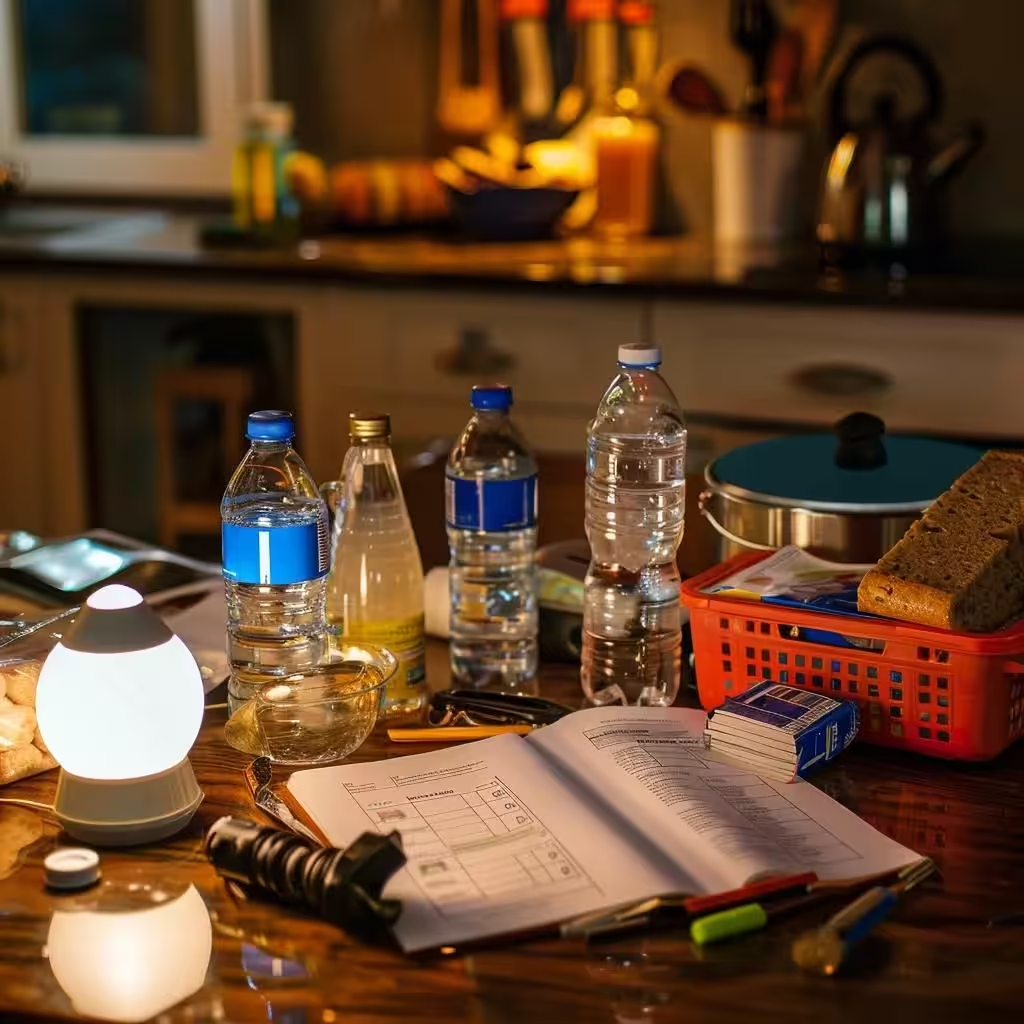
Hurricane Preparedness Checklist
Creating a hurricane preparedness checklist is crucial for families in Charlotte, NC. This checklist should include reviewing homeowner’s insurance, assembling an emergency kit, securing the home, planning evacuation routes, and backing up digital records. Following this checklist builds confidence and resilience, making recovery smoother when storms strike.
This citation supports the article’s recommendations for proactive preparedness measures and the creation of a comprehensive checklist for hurricane readiness.
- Review and update homeowner’s insurance, including flood coverage.
- Assemble an emergency kit with water, food, flashlights, and batteries.
- Secure roof attachments, reinforce garage doors, and install storm shutters.
- Plan evacuation routes and designate a safe meeting point.
- Backup digital records and photograph valued belongings for future claims.
Following this checklist builds confidence and resilience, making recovery smoother when storms strike.
How to Protect Your Home Against Wind and Flood Damage Before a Storm
- Install reinforced garage doors and hurricane straps on roof trusses.
- Apply water-resistant sealants to foundation walls and garage floors.
- Elevate utilities—HVAC, electrical panels, and water heaters—above flood level.
What Emergency Supplies Are Essential for Hurricane Season?
- One gallon of water per person per day (minimum three-day supply).
- Nonperishable food items that require no cooking.
- Battery‐operated radio, flashlights, extra batteries.
- First‐aid kit, prescription medications, sanitation supplies.
- Portable phone chargers and backup power banks.
When Is It Time to Evacuate and How to Plan Safely?
Monitor National Weather Service alerts and Mecklenburg County evacuation notices. Evacuate immediately if you live in a floodplain, manufactured home, or near a damaged dam. Pack an emergency “go bag” with vital documents, medications, and basic supplies. Follow designated routes to shelters or out-of‐town safe zones and notify family members of your location before departure.
Rebuilding after a hurricane in Charlotte demands coordinated use of local cleanup resources, federal assistance, and professional restoration expertise. By taking immediate safety measures, applying for FEMA aid, practicing effective flood cleanup, navigating insurance claims, securing disaster loans, leveraging Red Cross support, and preparing actively for future storms, homeowners can protect their families and property. Nics Restoration stands ready to provide emergency damage restoration services—from water extraction and mold remediation to full reconstruction—to ensure resilient recovery. Taking these steps now equips Charlotte households with the knowledge and support network needed for any hurricane season ahead.