Common Sources of Water Damage in Charlotte NC
Water damage in Charlotte, NC, can arise from various sources that often go unnoticed until severe damage occurs. Homeowners and business owners in Charlotte face unique challenges due to local weather, construction styles, and aging infrastructure. In these situations, it can be beneficial to explore options like fire damage restoration services, which are designed to handle a range of damage issues. This article outlines common causes of water damage in Charlotte properties, explains early detection signs, and details prevention and restoration processes to help protect your investment. If you experience any signs of damage, please contact us for expert assistance.
An in-depth look reveals that the failure of household systems, environmental factors, and structural vulnerabilities all contribute to water damage. This guide explains what to look for, how to intervene early, and when to secure professional restoration services.
Transitioning to the root causes, the article first examines how burst pipes, roof leaks, and appliance malfunctions contribute to water damage in Charlotte.
What Are the Most Common Causes of Water Damage in Charlotte NC?
In Charlotte, water damage usually starts from burst pipes, roof leaks, appliance malfunctions, HVAC failures, and external flooding. Early identification is crucial to prevent severe structural and health issues, and each cause requires a tailored remediation approach.
Burst pipes can occur due to freezing temperatures or deteriorated plumbing, while roof leaks may result from damaged shingles, poor installation, or clogged gutters. Appliance leaks from dishwashers, washing machines, or refrigerators develop slowly and create environments ideal for mold growth. HVAC systems may leak condensation if not properly maintained, and heavy rains can overwhelm drainage systems, leading to flooding in basements and lower areas.
How Do Burst Pipes Cause Water Damage in Charlotte Homes?
Burst pipes occur when water pressure overwhelms corroded or weakened pipes or when freezing temperatures cause expansion that leads to bursts. The sudden flood damages walls, floors, and personal belongings while promoting mold growth. Rapid detection is essential; homeowners should look for damp spots or unusual sounds when no water is running. Prompt professional water damage restoration minimizes structural damage and prevents pathogens from spreading.
What Role Do Roof Leaks Play in Water Damage?
Roof leaks, often caused by weather-related wear, damaged flashing, or clogged gutters, let water seep into attics and trickle down into walls and ceilings. Signs such as water stains, sagging roofs, peeling paint, and musty odors indicate a leak. Regular professional inspections and timely roof repairs not only protect the building’s structure but also prevent hazards like electrical issues and mold growth.
How Can Appliance Leaks Lead to Water Damage?
Appliance leaks from refrigerators, dishwashers, or washing machines can gradually damage cabinetry, flooring, and walls. Unlike sudden burst pipes, appliance leaks occur slowly, making damage less obvious until it is severe. Homeowners should routinely inspect appliances for corrosion, pooled water, or damp spots. Installing leak detectors on appliances can prompt early repairs, reducing long-term water damage and maintenance costs.
Why Are HVAC System Leaks a Concern for Water Damage?
HVAC system leaks can occur when condensation is not properly managed. Dripping water from these systems can saturate insulation, damage electrical components, and foster mold growth, especially in concealed areas. Regular maintenance, including clearing condensate lines and periodic inspections, is vital in preventing HVAC leaks. When issues occur, integrating waterproofing measures and leak detectors can alert homeowners before significant damage happens.
How Does Flooding Contribute to Water Damage in Charlotte?
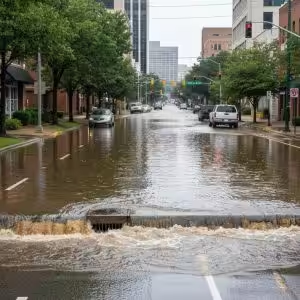
Flooding, particularly during heavy rainfall or storms, can saturate buildings, compromise foundations, and introduce contaminants. Floodwater often carries sediments, chemicals, and biological hazards that impact both the structure and occupants’ health. In Charlotte, floods are exacerbated by urban development and natural water flows. Preventive measures like sump pumps, proper grading, and sealed basements are essential. Thorough water extraction, drying, and dehumidification are key to eliminating moisture and reducing the risk of mold growth after a flood.
What Are the Signs and Early Indicators of Water Damage?
Early detection minimizes repair costs and preserves property integrity. Common signs include discolored ceilings, warped floors, bubbling paint, and persistent musty odors. These signals can point to problems like hidden leaks from burst pipes, roof leaks, or appliance malfunctions. Additional indicators include water pooling in unexpected areas or visible moisture near air ducts and insulation.
Regular inspections can reveal issues early before significant structural compromise occurs, and prompt professional evaluation is essential to prevent mold spread and further deterioration.
How to Identify Water Damage From Burst Pipes?
Look for localized pooling, moist flooring, and discoloration near plumbing areas (kitchens or bathrooms). Even if no water is visible, subtle sounds of running water or damp spots indicate damage. Professionals use moisture meters to assess the extent, so early intervention is key to preventing mold and further structural harm.
What Are the Visible Signs of Roof Leak Damage?
Roof leak damage often appears as water stains, discoloration, or sagging ceilings. Peeling or bubbling paint and damp insulation can also signal a leak from damaged shingles or flashing. These signs necessitate prompt repair to prevent long-term degradation and additional interior damage.
How to Detect Appliance and HVAC Leaks Early?
Appliance leaks usually appear as dampness or staining around the unit, while HVAC leaks may cause condensation near ducts and behind the unit. Soft spots on flooring or unusual damp areas can be early alerts. Regular checks and moisture detectors help catch these issues before they escalate into costly damage.
When to Recognize Flood-Related Water Damage?
Flood damage is identified by saturated surfaces, lingering damp odors, and pooling of water in basements or on the ground floor. Even after water recedes, residual moisture can cause warping, mold, and discoloration. After heavy rainfall or storms, immediate professional assessment is necessary to mitigate further contamination and structural risks.
How Can You Prevent Water Damage in Charlotte Homes?
Prevention involves proactive maintenance, regular inspections, and advanced leak detection systems. By understanding common causes, homeowners can adopt measures to reduce water infiltration. Routine plumbing checks, roof maintenance, and appliance servicing are crucial. roof inspections and safety.
Preventive steps include regular checks of roofing, gutters, and appliance seals, along with monitoring HVAC systems and installing moisture alarms in critical areas. Given Charlotte’s heavy rainfall, extra vigilance in lower-level areas and basements is advised.
Below is a concise list of expert-recommended maintenance steps:
- Schedule Regular Professional Inspections – Licensed plumbers, roofers, and HVAC specialists catch minor issues before escalation.
- Clean and Maintain Gutters – Regular cleaning prevents debris buildup and water overflow.
- Install Smart Leak Detectors – These devices monitor moisture in real time and alert homeowners immediately.
- Inspect Appliance Seals and Hoses – Regular checks help identify and replace worn seals to prevent hidden leaks.
- Reinforce Basement Waterproofing – Ensure proper drainage and install sump pumps as necessary.
What Preventative Maintenance Steps Reduce Water Damage Risk?
Key measures include regular inspections of roofs, plumbing, and HVAC systems, and cleaning gutters to prevent unnoticed leaks. Routine check-ups help upgrade aging components, reduce repair costs, and protect overall property integrity by addressing issues before visible damage occurs. For more information on inspections, visit roof inspections and safety.
How Do Leak Detection Systems Help Prevent Water Damage?
Leak detection systems use sensors placed in critical areas to monitor moisture levels continuously. When a leak is detected, these systems promptly alert homeowners—often via smartphone alerts—so that repairs can be made before extensive damage develops. Integration with home automation can even shut off the main water supply automatically, reducing risk further.
Why Is Regular Home Inspection Important for Water Damage Prevention?
Comprehensive inspections assess the condition of the roof, plumbing, appliances, and HVAC systems and identify early signs of leaks or wear. In Charlotte’s variable climate, regular professional evaluations can prevent extensive damage, support insurance claims with documented records, and keep the property safe and structurally sound.
What Local Factors in Charlotte Affect Water Damage Prevention?
Regional weather patterns, seasonal rainfall, soil composition, and urban development can stress plumbing systems and roofs. Older neighborhoods may face additional vulnerabilities due to outdated infrastructure. Understanding these local factors encourages tailored prevention strategies such as improved drainage and upgraded insulation.
Detailed Preventative Maintenance List
- Regular professional inspections for roofs, plumbing, and HVAC systems
- Maintenance and cleaning of gutters and downspouts
- Installation of smart leak detectors near key water sources
- Replacement of aging seals, hoses, and insulation in appliances
- Strengthening basement waterproofing and improving drainage systems
Preventative Maintenance Table
| Maintenance Step | Benefit | Recommended Frequency | Additional Notes |
|---|---|---|---|
| Professional Inspections | Early detection of wear and leaks | Annually or bi-annually | Use licensed professionals |
| Cleaning Gutters | Prevents water pooling and overflow | Quarterly | Remove debris and check for clogs |
| Installing Leak Detectors | Immediate alerts to minor leaks | Once during installation | Integrate with home automation systems |
| Appliance Seal and Hose Checks | Minimizes hidden leaks from appliances | Every 6 months | Replace when worn or degraded |
| Basement Waterproofing | Prevents foundation damage from flooding | Annually | Ensure sump pump is functional |
These maintenance practices significantly reduce water damage risk while safeguarding property over the long term.
What Is the Water Damage Restoration Process in Charlotte NC?
When water damage is detected, a systematic restoration process is initiated. In Charlotte, professional restoration services follow a protocol that includes water extraction, drying, dehumidification, mold remediation, and structural repair. This process addresses both visible and hidden damage.
The first step is water extraction using powerful pumps and vacuums to remove standing water efficiently. Industrial dehumidifiers and air movers then help to dry and dehumidify the affected areas, reducing the risk of mold. If mold or mildew is present, remediation techniques using antifungal solutions are employed, followed by necessary structural repairs to restore the property.
Detailed documentation throughout the restoration process supports insurance claims and future maintenance.
How Is Water Extraction Performed After Damage?
Technicians use specialized pumps and vacuums to extract standing water swiftly. Multiple passes may be needed to reach hidden areas, reducing moisture that could lead to mold and further structural weakening.
What Are Drying and Dehumidification Techniques?
Air movers circulate air to speed up evaporation while industrial dehumidifiers remove residual moisture. These combined methods ensure that walls, floors, and furniture are thoroughly dried and that humidity is maintained at safe levels.
When Is Mold Remediation Necessary After Water Damage?
Mold remediation is conducted when elevated moisture persists beyond 48 hours. Professionals contain and remove mold, treating surfaces with antifungal agents and replacing porous materials if necessary, to prevent health risks and further structural damage.
How Are Structural Repairs Handled Post-Water Damage?
After drying and mold remediation, damaged drywall, flooring, and insulation are removed and replaced. Contractors follow local building codes to restore and reinforce the structure, ensuring long-term durability and safety.
How Does Homeowners Insurance Cover Water Damage in Charlotte?
Homeowners insurance in Charlotte helps mitigate the financial burden of water damage restoration. Standard policies typically cover sudden and accidental incidents like burst pipes and roof leaks, but flood damage is generally excluded and requires separate NFIP coverage.
It is important to review policy details to clarify what is covered—especially for appliance leaks or gradual water seepage—and to document all damage thoroughly when filing a claim.
What Does Homeowners Insurance Typically Cover for Water Damage?
Homeowners insurance usually covers sudden, accidental water damage such as burst pipes, overflows, and roof leaks. It does not normally cover flood damage, gradual seepage, or long-term neglect, so understanding your policy is crucial.
How Do You File a Water Damage Claim in Charlotte?
Begin by notifying your insurance provider immediately, documenting the damage with photos and videos, and obtaining a professional assessment. Provide detailed records to the adjuster to expedite your claim process.
What Should You Know About Working With Insurance Adjusters?
Clear communication and comprehensive documentation are key when working with insurance adjusters. Provide accurate details, professional repair quotes, and maintain thorough records to support your claim and ensure fair compensation.
Are Burst Pipes and Flooding Covered Differently by Insurance?
Burst pipes are typically covered under standard policies, while flooding is not and requires separate insurance. Review your policy carefully and consider additional flood coverage if needed.
Insurance Coverage Table Summary
| Damage Source | Covered Under Standard Policy? | Additional Insurance Required? | Key Considerations |
|---|---|---|---|
| Burst Pipes | Yes | No | Sudden, accidental damage; requires prompt reporting |
| Roof Leaks | Yes | No | Often covered if caused by accidental damage |
| Appliance Leaks | Yes | No | Gradual damage may not be fully covered; maintenance is key |
| HVAC Leaks | Yes | No | Requires professional inspection and documentation |
| Flooding | No | Yes | Separate flood insurance required under NFIP standards |
This table provides a quick reference to help understand water damage insurance coverage.
When Should You Contact a Professional Water Damage Restoration Service?
Engaging a professional restoration service is critical when water damage is suspected. Rapid response is essential because water can quickly infiltrate structures, leading to further damage and mold growth. Professionals use specialized equipment such as moisture meters, thermal imaging, and industrial dehumidifiers to fully restore your property. They also aid in the insurance claims process with detailed documentation.
Immediate contact is advised if you notice burst pipes, leakage after storms, or any persistent dampness. storm damage restoration
What Are the Benefits of Rapid Response Restoration Services?
Rapid response services minimize additional damage by quickly initiating water extraction, drying, and mold prevention. Fast intervention saves money on repairs and maintains a safe living environment while supporting timely insurance claims.
How Does Local Expertise Improve Water Damage Restoration?
Local restoration companies understand Charlotte’s unique weather and building conditions, enabling them to employ region-specific techniques. Their established relationships with adjusters and local authorities help streamline repairs and ensure compliance with local regulations.
What Questions Should You Ask a Water Damage Restoration Company?
Ask about emergency response times, the equipment and techniques used for extraction and drying, documentation support for insurance claims, experience with mold remediation, and local certifications and insurance. These questions help ensure the service provider is fully capable of handling your specific needs.
What Are the Latest Trends and Technologies in Water Damage Prevention and Restoration?
Advances in technology are reshaping water damage prevention and restoration. In Charlotte, new developments help reduce repair times and enhance safety while minimizing environmental impact.
Smart leak detectors continuously monitor moisture and send immediate alerts, while advanced water extraction equipment, including high-powered dehumidifiers and air movers, speeds up the drying process. Eco-friendly restoration chemicals and low-emission drying technologies are also gaining popularity, ensuring better indoor air quality and environmental protection.
Data analytics and remote monitoring using thermal imaging have improved assessment accuracy and repair precision. Moreover, the focus on preventative measures—such as regular inspections integrated with smart sensors—helps reduce long-term repair costs and insurance claims.
How Are Smart Leak Detectors Changing Water Damage Prevention?
Smart leak detectors provide real-time moisture alerts and integrate with home automation systems. This proactive approach allows homeowners to address leaks immediately, reducing repair costs and preventing extensive damage.
What Eco-Friendly Restoration Solutions Are Available in Charlotte?
Eco-friendly methods include biodegradable cleaning agents, low-emission dehumidifiers, and water recycling systems. These solutions effectively eliminate mold and contaminants while protecting the environment and maintaining healthy indoor air quality.
How Are Rising Insurance Premiums Affecting Water Damage Claims?
Increasing insurance premiums have made detailed, timely documentation more critical. Insurance adjusters now often use advanced tools such as thermal imaging to verify damage, which encourages homeowners to conduct regular maintenance and secure prompt repair services to optimize claim settlements.
Frequently Asked Questions
What are the long-term effects of water damage on a property?
Long-term effects of water damage can include structural weakening, mold growth, and deterioration of building materials. If not addressed promptly, water can compromise the integrity of walls, floors, and foundations, leading to costly repairs. Mold can also pose health risks to occupants, causing respiratory issues and allergic reactions. Additionally, persistent moisture can attract pests, further complicating the situation. Regular inspections and timely remediation are essential to mitigate these risks and preserve property value.
How can homeowners prepare for potential water damage in Charlotte?
Homeowners can prepare for potential water damage by implementing proactive measures such as regular maintenance of plumbing systems, roofs, and gutters. Installing sump pumps and ensuring proper drainage around the property can help manage excess water during heavy rains. Additionally, homeowners should consider investing in smart leak detection systems that provide real-time alerts. Creating an emergency plan that includes contact information for local restoration services can also ensure a swift response in case of water damage.
What should you do if you suspect mold growth after water damage?
If you suspect mold growth after experiencing water damage, it is crucial to act quickly. First, identify and eliminate the source of moisture to prevent further mold proliferation. Next, avoid disturbing the mold, as this can release spores into the air. Contact a professional mold remediation service to assess the situation and safely remove the mold. They will use specialized equipment and techniques to ensure thorough cleaning and prevent future growth, protecting both your health and property.
Are there specific building codes in Charlotte related to water damage prevention?
Yes, Charlotte has specific building codes and regulations aimed at preventing water damage. These codes often include requirements for proper drainage systems, waterproofing measures, and the installation of sump pumps in basements. Additionally, building materials used in construction may need to meet certain standards to resist moisture. Homeowners and builders should familiarize themselves with local codes to ensure compliance and reduce the risk of water damage in their properties.
What role does landscaping play in preventing water damage?
Landscaping plays a significant role in preventing water damage by directing water away from the foundation of a home. Proper grading of the yard ensures that rainwater flows away from the structure, reducing the risk of flooding in basements and crawl spaces. Additionally, strategically placed plants and trees can help absorb excess moisture. Regular maintenance of landscaping features, such as ensuring gutters and downspouts are clear, is essential for effective water management around the property.
How can homeowners assess the effectiveness of their water damage prevention measures?
Homeowners can assess the effectiveness of their water damage prevention measures by conducting regular inspections of their property. This includes checking for signs of leaks, water stains, and mold growth in vulnerable areas such as basements, attics, and around appliances. Additionally, reviewing maintenance records for plumbing, roofing, and drainage systems can help identify any areas needing attention. Engaging a professional for a comprehensive evaluation can also provide insights into potential vulnerabilities and necessary improvements.
Final Thoughts
Water damage in Charlotte, NC, poses significant risks to property safety and structural integrity. However, early detection combined with professional intervention can drastically mitigate these issues. Regular home inspections, smart leak detectors, and proactive maintenance are essential to prevent common causes such as burst pipes, roof leaks, appliance malfunctions, HVAC issues, and flooding. An effective restoration process that includes rapid water extraction, drying, and mold remediation not only protects your property but also supports smoother insurance claims and long-term preservation.
Property owners are encouraged to work with local professionals who understand Charlotte’s unique challenges and can ensure that insurance policies adequately cover potential incidents, ultimately reducing repair costs and preserving the value of their property.