Home Repair After Disaster in Charlotte Explained
When disaster strikes in Charlotte, property owners face significant challenges and uncertainties in restoring their homes. Disasters such as floods, tornadoes, severe storms, and fires cause lasting damage that goes far beyond cosmetic issues. Home repair after a disaster involves comprehensive restoration efforts addressing structural safety, health hazards, and long-term resilience. This guide explores common disaster damages, fire damage restoration processes for water, and wind damage, available emergency services (contact us), the insurance claims process, and the value of local expertise. Homeowners and business owners in Charlotte can use this guide as a roadmap to restore their properties, understand available services, and navigate the difficult aftermath of a disaster.
The following sections offer precise answers, case studies, and practical examples. Topics include water extraction, mold remediation, smoke and soot cleanup, roof and siding repairs, emergency board-up services, and insurance claims support. Local experts familiar with Charlotte’s building codes ensure a rapid, reliable recovery based on proven best practices.
What Are the Most Common Types of Disaster Damage in Charlotte Homes?
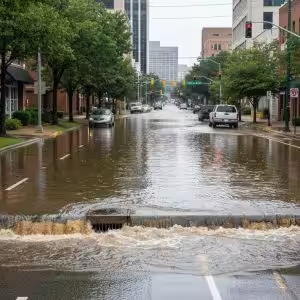
Charlotte homes can suffer from water, fire, and wind damage, as well as structural impacts from floods and tornadoes. Water damage from burst pipes, heavy rains, or floods can lead to mold growth and electrical hazards. Fire damage scorches surfaces and compromises materials like wood and insulation, often leaving behind persistent smoke and soot. Wind damage from high-velocity winds and storms typically results in roof, siding, and window injuries. In extreme events, floods and tornadoes can render structures unstable by damaging foundations and load-bearing elements.
Each type of damage requires a tailored repair process. Water damage calls for water extraction, drying, and mold remediation; fire damage necessitates cleaning of charred materials, structural assessment, and odor removal; and wind damage repair focuses on restoring roofs, siding, and windows. Detailed inspections and an organized restoration strategy, which integrate immediate emergency services with long-term planning, are essential to a successful recovery.
How Does Water Damage Affect Charlotte Homes After a Disaster?
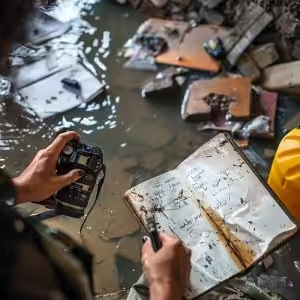
Water damage manifests as damp walls, warped flooring, and compromised wiring. Water infiltrates every layer of building materials, causing decay, mold growth, and weakening of structural supports. Flood contaminants may add health hazards. Immediate extraction and thorough drying—using dehumidifiers and air movers—are critical to prevent long-term deterioration. Techniques like thermal imaging and moisture mapping help professionals accurately assess damage. Timely intervention also aids insurance claims by documenting damage before repairs begin.
What Causes Fire Damage and How Is It Identified?
Fire damage is often caused by electrical faults, unattended cooking, or heating system malfunctions. Beyond burnt surfaces, fire weakens structural elements and can lead to eventual collapse. Damage is identified through charred areas, smoke residue, and discoloration. Odors from smoke can linger within walls and insulation, signaling air quality problems that require professional remediation. Inspectors use specialized cameras and sensors to detect hidden damage and inform repairs such as cleaning, deodorizations, and structural rebuilding.
What Are Typical Wind Damage Issues in Charlotte?
High winds and severe storms can tear off roofs, shatter windows, and dent siding. Dislodged roofing materials may lead to leaks and further internal damage. Wind damage often results in cracked or broken windows that compromise security and energy efficiency. Additional issues include damage to gutters and decks, which can cause water intrusion during subsequent storms. Inspections—sometimes using aerial surveys—help identify both surface and underlying damage so repairs can restore both structural integrity and aesthetic appeal.
How Do Emergencies Like Floods and Tornadoes Impact Home Structures?
Floods saturate basements and ground floors, undermining foundations and subfloors, while tornadoes may rip off roofing, collapse walls, or uproot trees that subsequently strike the home. Such extremes can weaken load-bearing walls and support beams, compromising overall stability. Emergency repair services are crucial to halt further deterioration from water or debris exposure, preserve property value, and enhance occupant safety.
How Is Water Damage Restoration Performed After a Disaster in Charlotte?
Restoration for water damage in Charlotte follows a systematic process. Experts begin with a thorough inspection using moisture meters and thermal imaging to determine damage extent. Next, powerful pumps and vacuums remove standing water, followed by the use of air movers and dehumidifiers to dry affected areas completely. Damaged drywall and flooring may be dismantled to check underlying structures, and antimicrobial treatments are applied to sanitize surfaces. This process is carefully documented to support insurance claims.
A multi-disciplinary team—including plumbers, electricians, and structural engineers—ensures each repair meets high safety and building standards.
What Are the Step-by-Step Water Damage Repair Processes?
The process includes: • Assessment: Measuring moisture levels and visually inspecting vulnerable areas. • Water Extraction: Using industrial-grade pumps and vacuums to remove standing water. • Drying: Deploying air movers and dehumidifiers to eliminate residual moisture. • Cleaning: Sanitizing surfaces to remove contaminants, mildew, or bacteria. • Repair/Restoration: Rebuilding damaged elements such as drywall, flooring, and insulation to restore structural integrity. Documentation throughout the process helps expedite insurance claims and reimbursement.
Why Is Mold Remediation Critical After Water Damage?
Moisture encourages mold spores to thrive, leading to rapid growth that damages aesthetics and health. Mold can cause respiratory issues and allergies, so prompt remediation is crucial. Professionals apply specialized cleaners and HEPA filtration during drying to block spore spread. Often, contaminated materials must be replaced to ensure complete removal of mold, thereby reducing long-term repair costs and protecting residents’ health. For expert help, consider home damage restoration.
How Can Homeowners Prevent Further Water Damage?
Preventative measures include: • Routine inspection of plumbing, roofing, and drainage systems. • Installation of water leak detection devices. • Regular cleaning of gutters and downspouts. • Ensuring proper grading to direct water away from the foundation. Investing in flood barriers or sump pumps and maintaining HVAC systems and insulation also reduces risks. An emergency plan that includes shutting off the water supply and contacting local repair services is vital to preventing minor issues from escalating.
What Insurance Claims Are Common for Water Damage?
Common claims include coverage for property damage, mold remediation, and replacement of personal belongings. Homeowners should document all water-affected areas using photographs and professional assessments. Policies generally cover accidental water damage from burst pipes or floods, though routine maintenance issues might be excluded. Prompt documentation and reporting help secure the funds needed for repairs.
What Does Fire Damage Restoration Involve for Charlotte Homeowners?
Fire damage restoration is multifaceted, addressing both visible damage and lingering contaminants like smoke and soot. Restoration experts assess the full scope of damage before securing the property with board-ups to prevent further deterioration. Cleanup involves chemical agents and abrasive methods to remove soot and odor, followed by structural repairs to damaged walls, ceilings, and floors. Coordination among fire damage specialists, structural engineers, and cleaning professionals is critical, with strict adherence to local building codes.
How Is Smoke and Soot Cleanup Conducted?
Cleanup begins with a careful inspection of all affected surfaces. Industrial-grade cleaning agents, air scrubbers, and ozone generators are used to remove lingering odors from walls, ceilings, and HVAC systems. The process typically starts with gentle dry cleaning to remove loose soot, then moves to wet cleaning for stubborn stains. Advanced methods like thermal fogging help neutralize odors, while post-cleanup inspections ensure the air quality meets safety standards.
What Are the Structural Repairs Needed After Fire Damage?
Structural repairs may involve replacing charred framing, damaged insulation, and weakened load-bearing beams. Restoration teams remove and rebuild entire sections of walls and ceilings to restore safety and compliance with building codes. In some cases, additional tests for hazardous materials such as asbestos or lead are performed. Thorough documentation of repairs aids in both insurance claims and long-term safety.
How Do Insurance Claims Work for Fire Damage?
Homeowners must promptly report fire damage to their insurance provider, supported by detailed documentation including photos, repair estimates, and professional assessments. An adjuster evaluates the damage, and claims may cover both direct fire damage and smoke/soot cleanup. Open communication and thorough records are essential to obtaining a fair settlement that covers repair costs and additional expenses like temporary housing.
What Safety Measures Should Homeowners Take Post-Fire?
After a fire, it is essential to secure the property by ensuring electrical and gas lines are inspected and locked down. A complete cleanup of smoke, soot, and debris reduces health risks. Homeowners should change locks and consider new smoke detectors and updated fire safety systems. Regular inspections of smoke damage and structural repairs help maintain long-term safety.
How Are Wind Damage Repairs Managed in Charlotte After Storms?
Wind damage repairs require a strategic approach to restore external components like roofs, siding, and windows. After a severe storm, experts assess the overall condition of the structure, focusing on areas where high winds have caused physical damage. Roof repairs are prioritized to prevent leaks, while siding and windows are inspected for cracks, dents, or loosened seals. Replacement with weather-resistant materials enhances durability and energy efficiency.
What Are Common Roof Repair and Replacement Solutions?
Roof repairs begin with an inspection for issues such as missing shingles, damaged flashing, or compromised underlayment. Minor damage may be fixed with overlay repairs, while extensive damage might necessitate complete roof replacement using architectural shingles or metal roofing. Improvements in ventilation and additional reinforcements help prolong roof life and ensure maximum protection against future storms.
How Is Siding Damage Assessed and Fixed?
Siding is evaluated using both visual inspection and tools like infrared cameras to detect moisture issues. Minor cracks can be patched and panels secured with additional fasteners, while severely damaged siding may need complete replacement. Weatherproofing compounds and sealants are applied to improve durability and resistance to future wind or water damage.
When Should Windows Be Repaired or Replaced?
Wind can cause windows to crack or lose seals, reducing energy efficiency and security. Restoration experts recommend repairing minor issues through resealing or glazing, but significant structural damage calls for full replacement. Upgraded, wind-resistant windows improve insulation and security while reducing energy costs. For more information on storm damage restoration, visit our site.
How Does Insurance Cover Wind Damage Repairs?
Most insurance policies cover wind damage when attributed to a certified storm or natural disaster. Homeowners should thoroughly document the damage with photos and professional assessments. The claims process generally reimburses repair costs based on replacement value. Reviewing policy specifics and working closely with insurance adjusters ensures a smoother claims process.
How Are Emergency Services Available for Disaster-Damaged Homes in Charlotte?
Charlotte offers a range of emergency services to support homeowners after a disaster. These services include rapid board-up and tarp installations, immediate water extraction, and temporary repairs to stabilize the property. Acting quickly helps prevent further damage while homeowners await full restoration.
Emergency board-up services involve covering broken windows, doors, or other vulnerable areas with temporary materials. Similarly, emergency tarping prevents further water intrusion by covering damaged roofs. Professional teams are available 24/7 to initiate water extraction and drying, reducing the risk of secondary damage such as mold growth. Emergency restoration services are essential in these situations.
What Are Emergency Board-Up and Tarping Services?
These services quickly secure exposed entry points and damaged exteriors using durable materials that stand up to harsh weather. They not only protect the property from further harm but also help document damage for insurance claims.
How Is Water Extraction Performed Quickly and Safely?
Certified technicians use industrial-grade pumps and wet vacuums to rapidly remove standing water. This process is supplemented by dehumidifiers and air movers to ensure thorough drying. Safety protocols, including assessment of electrical hazards, are strictly followed to protect both property and personnel. Water damage restoration is crucial in these situations.
When Should Homeowners Contact Emergency Repair Services?
Immediate contact with emergency repair services is essential after a disaster, particularly when significant water, fire, or wind damage is evident. Prompt intervention limits further damage and streamlines the insurance documentation process, providing homeowners with much-needed peace of mind.
How Can Charlotte Homeowners Navigate Insurance Claims After Disaster Repairs?
Navigating insurance claims can be challenging, but detailed documentation and proactive communication are key. A thorough inspection followed by an itemized report—with repair estimates and photographs—forms the basis of a strong claim. Homeowners should promptly notify their insurance provider and work closely with restoration experts to compile all necessary documentation.
What Does a Typical Homeowners Insurance Policy Cover?
Most policies cover sudden and accidental damage from disasters such as fire, wind, and water damage from burst pipes. Coverage includes structural repairs, replacement of damaged personal belongings, and sometimes temporary living expenses if the home becomes uninhabitable. Gradual damages, like long-term water seepage, are generally excluded.
How Is the Insurance Claim Process for Disaster Damage Filed?
Homeowners must document the damage immediately and then submit a formal claim form with all supporting records. An adjuster will review the claim, and negotiations may follow based on the provided repair estimates. Prompt, organized, and detailed communication expedites the process and increases the likelihood of a fair settlement.
How Does Charlotte Disaster Relief & Repair Assist With Claims?
Local experts help by preparing detailed assessments and coordinating with insurance adjusters. Their documentation supports claims and streamlines the process, reducing stress for homeowners and speeding up reimbursements.
What Are Common Insurance Claim Denials and How to Avoid Them?
Common denials occur due to insufficient documentation or delays in reporting. Homeowners can avoid these issues by filing promptly, keeping detailed records, and working with professionals who are knowledgeable about insurance requirements. Regular policy reviews and proactive communication with insurers further mitigate the risk of claim denial.
Why Choose Local Experts for Home Repair After Disaster in Charlotte?
Local experts play a critical role in disaster recovery. Their in-depth understanding of Charlotte’s building codes, climate, and local conditions ensures repairs are effective and compliant. They respond rapidly to minimize further damage and have established relationships with insurance companies and municipal agencies, streamlining both repairs and claims.
How Does Local Knowledge of Charlotte Building Codes Benefit Repairs?
Local professionals are well-versed in regional building codes, ensuring that repairs meet all safety and regulatory standards. This local expertise prevents future compliance issues and often accelerates the permitting process. Their familiarity with construction practices in Charlotte means that repairs are performed with durable, weather-resistant materials.
What Makes Rapid Response Critical After a Disaster?
The initial hours after a disaster determine the extent of secondary damage such as mold growth or structural deterioration. Immediate intervention—through water extraction, board-ups, or tarping—reduces repair costs and prevents further instability. Rapid response also supports smoother insurance claims by providing prompt and accurate documentation.
How Does Quality Craftsmanship Impact Long-Term Home Safety?
High-quality repairs improve both immediate safety and long-term resilience. Meticulous craftsmanship restores structural integrity and can reduce the need for future repairs. Investing in skilled labor and quality materials results in more durable solutions that protect the home against future disasters.
What Support Can Homeowners Expect During Stressful Repairs?
Homeowners receive comprehensive support from local restoration experts, from initial emergency intervention to final walkthroughs. These professionals guide homeowners through complex insurance processes, provide regular project updates, and offer personalized consultations. Post-repair follow-ups ensure that the restoration is effective and that any additional maintenance is recommended.
Frequently Asked Questions
What should homeowners do if they suspect mold growth after water damage?
If homeowners suspect mold growth after experiencing water damage, they should act quickly. First, they should avoid disturbing the affected area to prevent spores from spreading. Next, it’s essential to contact a professional mold remediation service to assess the situation. These experts will conduct a thorough inspection, identify the source of moisture, and implement safe removal techniques. Homeowners should also document the damage for insurance purposes and consider preventive measures to avoid future mold issues, such as improving ventilation and addressing leaks promptly.
How can homeowners ensure their repairs meet local building codes?
To ensure that repairs meet local building codes, homeowners should hire licensed contractors who are familiar with Charlotte’s regulations. It’s advisable to verify the contractor’s credentials and experience in disaster recovery. Homeowners can also consult local building authorities for guidance on specific codes related to their repairs. Additionally, obtaining necessary permits before starting work can help ensure compliance. Regular inspections during the repair process can further confirm that all work adheres to safety and quality standards, ultimately protecting the homeowner’s investment.
What are the long-term benefits of hiring local restoration experts?
Hiring local restoration experts offers several long-term benefits, including a deep understanding of regional building codes, climate considerations, and common disaster-related issues. Their familiarity with local suppliers and materials can lead to more efficient repairs and better quality outcomes. Additionally, local experts often have established relationships with insurance companies, which can facilitate smoother claims processes. By investing in local expertise, homeowners can ensure that repairs are not only effective but also enhance the resilience and value of their properties over time.
What types of documentation are essential for filing an insurance claim after a disaster?
Essential documentation for filing an insurance claim after a disaster includes detailed photographs of the damage, a written inventory of affected items, and repair estimates from licensed contractors. Homeowners should also keep records of any communications with their insurance provider and restoration professionals. A comprehensive report from a restoration expert can further support the claim by outlining the extent of the damage and necessary repairs. Prompt and organized documentation is crucial for expediting the claims process and ensuring adequate coverage for repairs.
How can homeowners prepare for potential disasters in the future?
Homeowners can prepare for potential disasters by creating a comprehensive emergency plan that includes evacuation routes, emergency contacts, and a list of essential supplies. Regular maintenance of the property, such as inspecting roofs, gutters, and plumbing, can help identify vulnerabilities. Installing safety features like sump pumps, water leak detectors, and wind-resistant windows can also mitigate damage. Additionally, homeowners should consider reviewing and updating their insurance policies to ensure adequate coverage for various disaster scenarios, providing peace of mind in case of emergencies.
What role does community support play in disaster recovery?
Community support plays a vital role in disaster recovery by providing resources, emotional assistance, and practical help to affected homeowners. Local organizations often offer financial aid, volunteer labor, and access to recovery programs. Community networks can facilitate information sharing about available services and resources, helping residents navigate the recovery process more effectively. Engaging with neighbors and local groups fosters a sense of solidarity, which can be crucial for emotional resilience during challenging times. Together, communities can rebuild and strengthen their collective capacity to respond to future disasters.
Final Thoughts
Charlotte homeowners facing disaster can rely on a structured, expert restoration process to safely repair their properties. By addressing water, fire, and wind damage promptly and employing local specialists, homeowners ensure long-term safety and resilience. Comprehensive insurance support and immediate emergency interventions help reduce further damage, while quality craftsmanship lays the foundation for a durable recovery.