Hurricane Roof Repair: Best Residential Roof Repair Options in Charlotte, NC

When a hurricane tears through Charlotte, roofs often bear the brunt of wind uplift, water intrusion, and flying debris, leaving homeowners scrambling for reliable solutions. This guide explains common hurricane roof damage types, immediate safety steps, top residential repair options, Nics Restoration’s proven process, insurance claim navigation, and why local expertise matters. Homeowners will learn how to assess wind, water, and impact damage, secure emergency tarping, document losses, compare asphalt, metal, flat, and specialty roofing materials, and partner with Nics Restoration for fast, transparent repairs and support with insurance adjusters.
What Are the Common Types of Hurricane Roof Damage to Residential Properties?
Hurricane roof damage occurs when high winds, driving rain, and airborne debris compromise roofing materials, underlayment, and structural decking. Understanding these damage categories helps homeowners choose the right repair strategy and minimize interior losses. For example, identifying wind-lifted shingles quickly prevents water leaks that could rot roof framing.
How Does Wind Damage Affect Residential Roofs?
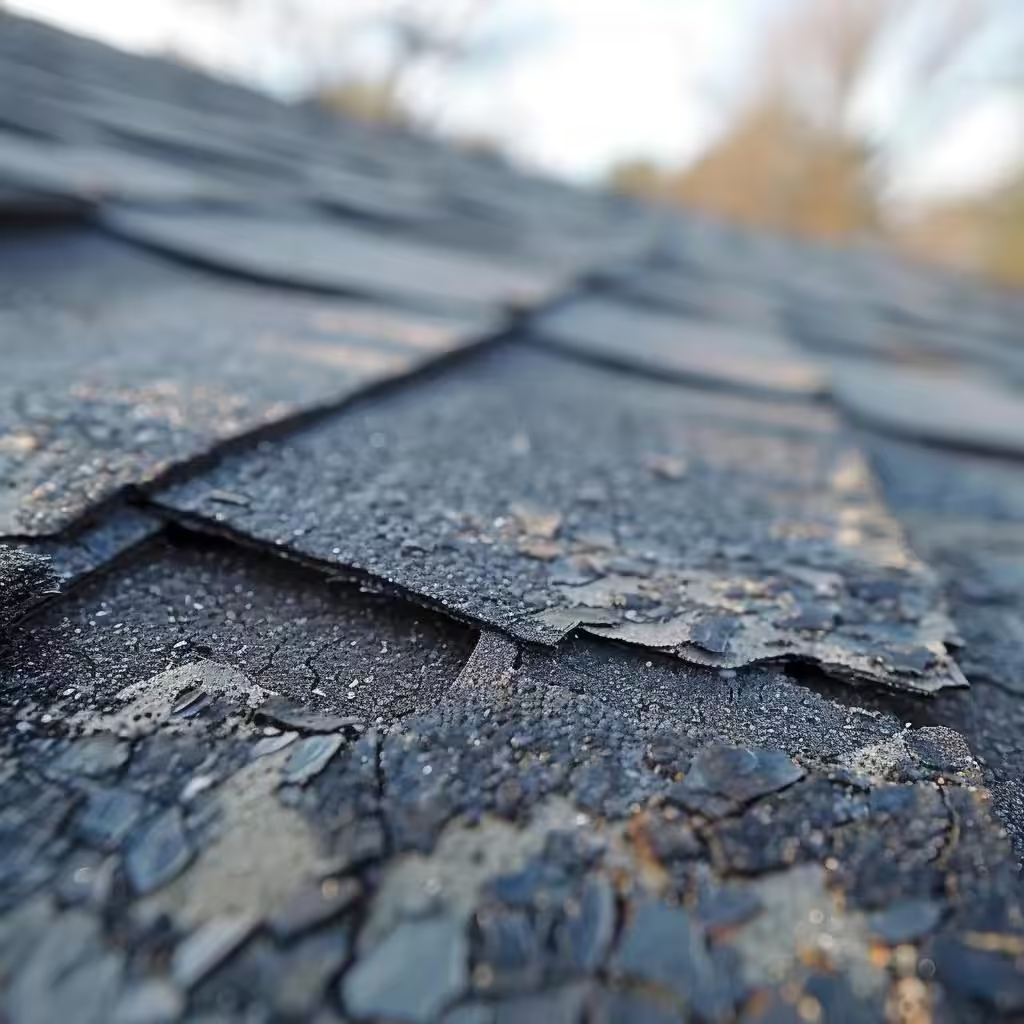
Wind damage to roofs results from gusts lifting, loosening, or removing shingles and flashing, which exposes the underlayment to rain. Homeowners see edges of shingles peeled back, granule loss, and bent or missing gutters. Storm damage restoration is essential for repairing and preventing further damage.
Signs of wind damage include: storm damage restoration
- Missing or curled shingle tabs.
- Exposed nail heads on shingles.
- Loose ridge caps or hip tiles.
- Displaced gutter sections and vent covers.
Loose shingles allow rainwater to penetrate, leading to leaks that damage ceilings and insulation. Recognizing these signs early reduces repair costs and prevents mold growth. For more information, you can visit our roofing category.
Wind Damage to Asphalt Shingles
Wind can lift or remove asphalt shingles, exposing the underlayment to rain and leading to leaks. This damage is often characterized by curled or missing shingle tabs and exposed nail heads, which can compromise the roof’s ability to protect the home. Roof inspections and safety are critical after such damage.
This source provides detailed information on the common types of damage to asphalt shingles caused by wind, which is relevant to the article’s discussion of hurricane roof damage.
What Are the Signs of Water Intrusion and Roof Leaks After a Hurricane?
Water intrusion follows when wind-driven rain infiltrates gaps in roofing underlayment, causing leaks and interior stains. Homeowners often notice ceiling discoloration, mold spots, or damp insulation. For more information on water issues, visit water damage restoration.
- Brown or yellow ceiling stains near rafters.
- Visible mold or mildew on attic wood.
- Soft, sagging drywall around roof penetrations.
- Dripping water or damp insulation bundles.
Promptly drying and repairing these leaks protects structural elements and indoor air quality, avoiding costly restoration later.
How Does Debris Impact Cause Structural Roof Damage?
Flying branches, siding fragments, and lawn furniture propelled by hurricane-force winds can puncture roof decking or crack tiles, undermining the roof’s waterproof barrier.
- Punctured underlayment beneath shingles.
- Cracked ceramic or slate tiles.
- Dented metal panels and broken fasteners.
- Holes or splits in wood shakes and shingles.
Debris damage often hides beneath loose materials; a detailed inspection prevents hidden leaks that could compromise roof framing.
What Immediate Actions Should Charlotte Homeowners Take After Hurricane Roof Damage?
Taking swift, safe action after roof damage reduces interior harm and streamlines repairs. Prioritize safety, perform a careful assessment, install temporary protection, and capture thorough documentation for insurance claims before any permanent work begins.
How to Prioritize Safety and Conduct an Initial Roof Damage Assessment?
Safety first: keep people away from storm-damaged areas and avoid walking on a weakened roof. From ground level, scan the roof slope with binoculars or photos, noting missing shingles and obvious holes.
Initial safety and assessment steps:
- Clear debris around the property to prevent trips.
- Use binoculars or drone footage for a first look.
- Avoid attic entry if drywall is waterlogged.
- Shut off electricity in water-intrusion zones.
A safe, preliminary survey prevents injuries and identifies urgent leak points, paving the way for emergency tarping.
When and Why Is Emergency Roof Tarping Necessary?
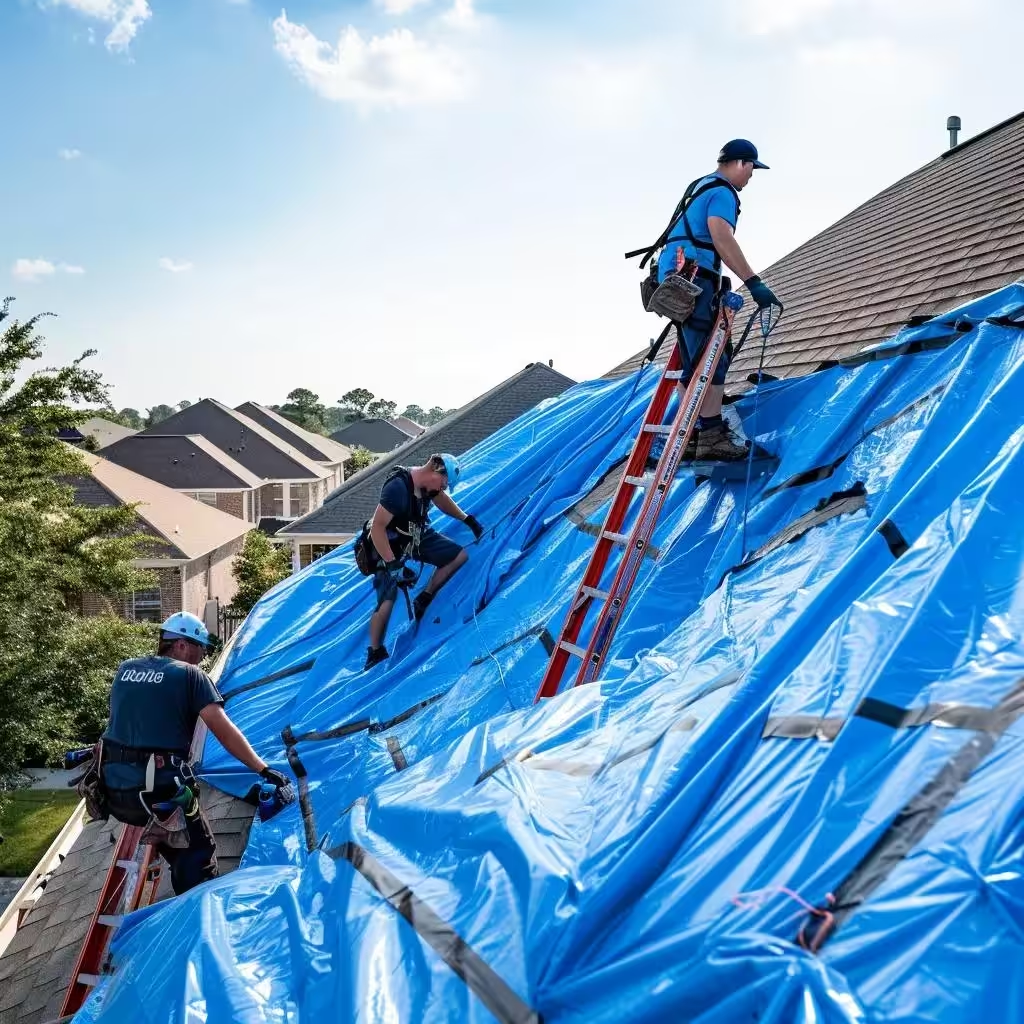
Emergency roof tarping is necessary whenever exposed roof sections risk ongoing water intrusion, as tarps act as a waterproof barrier until permanent repairs can be made. Roof repair is essential in this process.
Emergency tarping benefits include:
- Preventing interior water damage to ceilings, walls, and flooring.
- Reducing mold growth and secondary restoration costs.
- Buying time for insurance inspections and contractor scheduling.
Charlotte homeowners can request professional emergency roof tarping to secure vulnerable areas within hours of inspection.
Temporary protection limits structural rot and keeps living spaces safe.
Importance of Emergency Tarping
Emergency roof tarping is crucial after a hurricane to prevent water intrusion and minimize interior damage. It acts as a temporary waterproof barrier, protecting the home from further damage until permanent repairs can be made. This can reduce mold growth and secondary restoration costs.
This source supports the article’s emphasis on the importance of emergency tarping to prevent further damage and reduce costs after a hurricane.
How to Document Roof Damage Effectively for Insurance Claims?
Effective documentation uses high-resolution photos, annotated videos, and written notes listing damage locations and dimensions. Date-stamp every image and capture before-and-after states of temporary tarping.
Documentation best practices:
- Photograph each roof plane from multiple angles.
- Record interior ceiling stains and attic moisture.
- Note shingle manufacturer logos (e.g., Owens Corning).
- Compile inspection reports and tarp installation receipts.
Thorough records establish claim validity, accelerate insurer approval, and support full coverage of repair costs.
What Are the Best Residential Roof Repair Options for Hurricane Damage?
Selecting the right repair approach depends on roofing material, damage extent, and homeowner priorities for durability and aesthetics. Whether upgrading to wind-rated shingles or repairing flat membranes, informed choices ensure long-term resilience.
| Roof Type | Attribute | Benefit |
|---|---|---|
| Asphalt Shingles | Architectural design | Wind resistance up to 150 mph |
| Metal Roofing | Standing seam interlock | Corrosion resistance, >100-year lifespan |
| Flat Roof (TPO Membrane) | Welded seams | Superior ponding water protection |
| Slate & Tile | Individual tile replacement | Precise repair without full re-roof |
| Wood Shingles/Shakes | Full-course replacement | Restores water-shedding integrity |
This comparison guides homeowners to the optimal restoration path based on material characteristics and performance under hurricane conditions.
How to Repair and Replace Asphalt Shingle Roofs After a Hurricane?
Asphalt shingle repair restores wind-rated architectural shingles by removing damaged tabs and securing new shingles with corrosion-resistant nails and roofing cement. Owens Corning Hurricane Shingles feature reinforced fiberglass mats and ceramic-coated granules.
Asphalt shingle repair steps:
- Lift surrounding shingles and remove broken tabs.
- Inspect roof decking for rot or splits.
- Install matching shingles, aligning tabs precisely.
- Seal exposed nail heads and ridge caps with premium cement.
This targeted approach preserves roof uniformity and restores full wind and water resistance in affected zones.
What Makes Metal Roofs Resilient to Hurricane Damage?
Standing seam metal roofs resist uplift and leaks through interlocking panels, concealed fasteners, and durable galvanization that withstands winds up to 160 mph.
Metal roof resilience factors:
- Interlock design prevents panel separation.
- 24–26 gauge steel with factory-applied coatings.
- Hidden fasteners reduce corrosion points.
- Integrated sealant at eaves and ridges.
By reinforcing seams and replacing damaged panels, metal roofs regain full stormproof capability without complete re-roofing.
What Are the Considerations for Flat Roof Hurricane Repairs?
Flat roof repairs must address membrane tears, seam integrity, and ponding water that strains underlayment. TPO (thermoplastic polyolefin) sheets with heat-welded seams offer high tensile strength and UV stability.
Flat roof repair considerations:
- Eliminate standing water and debris before repair.
- Replace punctured TPO sections and re-weld seams.
- Reinforce flashing around vents and skylights.
- Ensure proper slope for drainage to gutters or drains.
Proper membrane restoration protects structural decks and prevents costly leaks during extended rain.
How to Address Repairs for Other Roofing Materials Like Slate, Tile, and Wood Shingles?
Slate and clay tiles require careful lifting of adjacent units and replacing only cracked pieces with matching colors and profiles. Wood shakes often need full-course replacement in damaged areas to ensure a uniform weather barrier.
Repair strategies by material:
- Slate & Tile: Insert new tiles under existing rows, seal with mortar.
- Wood Shingles/Shakes: Remove entire courses where shingles split.
- Composite Tiles: Match weight and profile for consistent coverage.
Specialized skills ensure each material type regains its designed resistance to wind and water intrusion.
How Does Nics Restoration Handle Hurricane Roof Repair in Charlotte?
Nics Restoration combines local knowledge, certified technicians, and advanced inspection tools to deliver a seamless repair experience. The process moves from detailed assessment to transparent planning and skilled execution, backed by robust quality checks.
What to Expect During a Comprehensive Roof Inspection and Damage Assessment?
A Nics Restoration inspection uses drone imaging, infrared moisture scans, and manual deck checks to identify wind lift, water penetration, and structural concerns comprehensively.
Inspection components:
- Drone survey of all roof facets for visible damage.
- Moisture meter readings in attic and eaves.
- Flashing and gutter condition evaluation.
- Photographic report with geotagged images.
This multi-step assessment uncovers hidden issues and informs the precise repair scope, preventing oversights.
How Is a Detailed Repair Plan Created with Transparent Estimates?
After inspection, Nics Restoration drafts a repair plan itemizing materials, labor hours, and permit requirements. Clients receive a line-by-line estimate, ensuring no hidden fees.
Plan and estimate steps:
- Material selection with homeowner approval (shingles, metal gauge, membranes).
- Labor timeline and crew assignment.
- Permit and code compliance outline.
- Contingency buffer for unforeseen conditions.
Transparent estimates empower homeowners with full cost visibility and control over their roof restoration investment.
What Quality Assurance and Warranty Does Nics Restoration Provide?
All hurricane roof repairs by Nics Restoration come with a one-year workmanship warranty and follow-up inspection to confirm performance under real weather conditions. For more information, visit our roof repair services.
Quality assurance measures:
- Mid-project walkthrough with the homeowner.
- Final inspection against original damage report.
- Detailed warranty document outlining coverage.
- 24/7 hotline for post-repair support.
This commitment to quality and accountability ensures lasting protection and homeowner peace of mind.
How Can Homeowners Navigate Insurance Claims for Hurricane Roof Damage in Charlotte?
Navigating insurance claims requires understanding policy specifics, hurricane deductibles, and effective communication with adjusters. Proper preparation and documentation maximize claim approval and settlement value. insurance quote assistance
What Are Hurricane Deductibles and How Do They Affect Your Policy?
Hurricane deductibles apply exclusively to wind damage from named storms and are expressed as a percentage of the home’s insured value—commonly 2% to 5%.
Deductible factors include:
- Policy’s wind vs. all-perils deductible structure.
- Home’s replacement cost valuation.
- State-mandated minimums for coastal regions.
Higher deductibles reduce premiums but increase out-of-pocket expenses when filing a claim for hurricane damage.
How to Work Effectively with Insurance Adjusters to Maximize Your Claim?
Effective collaboration with adjusters involves presenting clear evidence, attending on-site inspections, and requesting detailed line-item explanations to ensure full coverage. home restoration.
Adjuster engagement tips:
- Share the Nics Restoration damage report and photos.
- Walk through each damaged roof section together.
- Ask for itemized estimates for labor and materials.
- Appeal partial settlements with documented quotes.
Guided support from restoration professionals strengthens claim outcomes and speeds project funding.
Why Choose Nics Restoration for Your Hurricane Roof Repair Needs in Charlotte?
Local expertise, rapid emergency response, and comprehensive restoration services set Nics Restoration apart as Charlotte’s trusted partner after storm damage.
How Does Nics Restoration Provide Rapid Emergency Response in Charlotte?
Nics Restoration’s local crews mobilize within two hours of storm clearance, delivering tarping, leak control, and damage stabilization to minimize interior losses.
Rapid response elements:
- On-call teams in each Charlotte quadrant.
- Pre-stocked tarping materials and pumps.
- Coordination with local permitting offices for fast approvals.
- 24/7 dispatch center for homeowner calls.
This local readiness prevents further property damage and expedites permanent repair scheduling.
What Comprehensive Damage Restoration Services Does Nics Restoration Offer?
In addition to roofing, Nics Restoration provides water damage restoration, smoke and soot cleaning, mold remediation, and full interior rebuilds to restore homes from top to bottom.
Full-service offerings:
- Emergency water removal and drying.
- Contents pack-out and cleaning.
- Structural repairs and mold abatement.
- Finish carpentry, painting, and flooring replacement.
A single trusted provider streamlines recovery from hurricane and secondary damage for complete home restoration.
What Do Customers Say About Nics Restoration’s Hurricane Roof Repairs?
Clients consistently highlight clear communication, on-time completion, and durable repairs that withstand subsequent storms, reflecting a 95% satisfaction rating in Charlotte neighborhoods.
Customer feedback themes:
- “Rapid tarping minimized our interior damage.”
- “Transparent pricing made budgeting stress-free.”
- “Skilled crews explained each repair step clearly.”
- “Roof holds up flawlessly during heavy rains.”
Positive reviews demonstrate Nics Restoration’s commitment to excellence and local trust.
What Are the Frequently Asked Questions About Hurricane Roof Repair for Residential Homes?
Homeowners commonly seek clarity on cost estimates, insurance coverage, material selection, contractor credentials, and immediate priorities after storm damage.
- Cost ranges for hurricane roof repair and factors that influence pricing.
- How standard homeowners insurance policies handle wind damage and flood exclusions.
- Characteristics of the most hurricane-resistant roofing materials for Charlotte climates.
- Key credentials and vetting steps for choosing a reliable roof repair contractor.
- Urgent actions to protect property immediately after experiencing roof damage.
Understanding these topics ensures homeowners make informed decisions and secure the best possible outcomes for roof restoration.
Contact Nics Restoration today to schedule a free hurricane roof damage assessment in Charlotte, NC, and learn how local expertise can protect your home from future storms.