Commercial Water Restoration Solutions in Charlotte NC
Commercial property owners in Charlotte, NC, know that water damage can cause significant downtime and expensive repairs. In some situations, they may also need fire damage restoration charlotte nc to address additional hazards. When flooding, sewer backup, or other water-related incidents occur, professional restoration is essential – for more information or emergencies, contact us for expert guidance. This guide explains commercial water restoration services, covering water damage types, restoration steps and technology, mold remediation, structural repairs, preventive measures, cost factors, and insurance coordination. It provides business owners with clarity on protecting their property and speeding recovery.
What Are Commercial Water Restoration Services in Charlotte NC?
These services involve comprehensive solutions provided by experts to mitigate water damage in commercial properties. They include water extraction, drying, dehumidification, mold remediation, and structural repairs. Restoration professionals use advanced pumps, industrial dehumidifiers, high-powered air movers, moisture detection devices, and thermal imaging cameras to restore properties to pre-damage condition, protecting operations and preventing future issues. Quick intervention minimizes repair costs, prevents mold growth, and reduces business downtime.
Which Types of Water Damage Affect Commercial Properties?
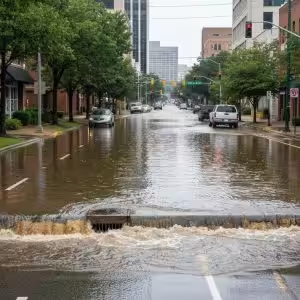
Water damage generally falls into two categories: clean water damage from non-toxic sources (like broken supply lines) and contaminated water damage from floodwaters or sewage backups. Clean water issues often require drying and minor repairs, while contaminated water damage necessitates thorough cleaning, disinfection, and mold remediation. Secondary issues such as structural weakening and electrical hazards may also occur. Restoration experts assess the damage using detection tools and create detailed reports, which are vital for managing insurance claims and planning repairs effectively.
How Does Water Extraction and Drying Work in Commercial Restoration?
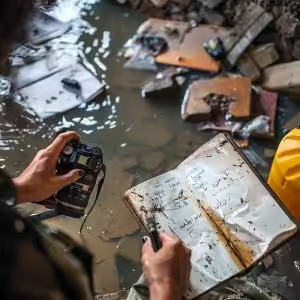
The restoration process begins with water extraction using high-powered pumps and vacuums to remove standing water and moisture-soaked materials. Immediately afterward, industrial dehumidifiers, air movers, and specialized drying equipment eliminate residual moisture from surfaces like drywall, carpeting, and insulation. Technicians monitor the drying process with moisture detectors, ensuring that optimal conditions are maintained to prevent mold and structural decay. Detailed documentation with infrared cameras and hygrometers supports insurance claims and confirms that drying is complete.
What Role Does Mold Remediation Play in Water Restoration?
Mold remediation is critical because water damage creates ideal conditions for mold, which can harm both structure and occupants’ health. Restoration teams inspect for mold using moisture meters and thermal imaging cameras. Once detected, affected areas are isolated and treated with antimicrobial solutions, and air filtration systems capture any airborne spores. Beyond removal, addressing moisture sources through repairs and dehumidification prevents future mold growth. Proper documentation, including before-and-after photos, helps support insurance claims.
Why Choose Professional Commercial Water Restoration in Charlotte NC?
Professional restoration services minimize downtime and protect business assets by providing rapid response, advanced technology, and skilled technicians. These companies understand local building codes and environmental safety standards, ensuring that water damage is quickly assessed, water is extracted, areas are dried, and repairs are initiated. Coordinated insurance claims and transparent documentation further streamline the restoration process, reduce risks from prolonged moisture exposure, and help secure financial support from insurers.
How Does Rapid Response Minimize Business Downtime?
Prompt action is crucial because delays can increase repair costs and prolong business disruptions. Immediate assessment and quick mobilization of equipment reduce the chance of secondary damage—such as mold growth or material warping—and lower overall repair expenses. Rapid response not only limits structural damage but also builds trust among business owners and employees, enabling operations to resume as quickly as possible.
What Advanced Technologies Are Used in Commercial Water Restoration?
Modern restoration companies employ state-of-the-art equipment like industrial pumps, high-powered dehumidifiers, and air movers. They also use moisture meters, thermal imaging cameras, and infrared sensors to detect hidden water damage and ensure thorough drying. Digital documentation software allows for detailed reports, including photos and moisture readings, which help streamline insurance claims and verify that all areas have been properly restored. These technologies ensure that water is removed efficiently and help enhance the resilience of the property against future incidents.
How Do Certified Technicians Ensure Quality Restoration?
Certified technicians, trained through organizations such as the IICRC, follow strict protocols for water extraction, drying, cleaning, and repairs. They use advanced tools to detect hidden moisture and apply appropriate remediation methods, ensuring that restoration work is safe, efficient, and compliant with industry standards. Their expertise, supported by regular training, guarantees that commercial properties are restored to a condition that meets both structural and aesthetic standards.
How Does Insurance Coordination Simplify Claims for Businesses?
Restoration companies simplify insurance claims by providing comprehensive documentation of all restoration activities, including detailed reports, photos, and moisture readings. They often work directly with insurers to ensure that all costs are accurately accounted for. This thorough documentation and proactive coordination help speed up claim approvals and reduce the administrative burden on business owners, ensuring that they receive the necessary financial support for repairs.
What Are the Key Steps in Commercial Water Damage Restoration?
The restoration process follows several key steps: 1. Initial Assessment: Experts use specialized equipment to evaluate the extent of water penetration and damage. 2. Water Extraction: Industrial-grade pumps and vacuums quickly remove standing water. 3. Drying and Dehumidification: Air movers, dehumidifiers, and moisture sensors work together under continuous monitoring to remove residual moisture. 4. Structural Repairs: Damaged materials such as drywall, insulation, and flooring are repaired or replaced. Odor removal and content cleaning may also be performed. 5. Final Documentation: Detailed records, including photos and moisture readings, ensure the process meets insurance requirements and confirms full restoration. For more information on water damage, visit water damage restoration.
How Is Water Extraction Performed in Commercial Buildings?
Water extraction is carried out using powerful water pumps and wet vacuums capable of removing large volumes quickly. Technicians strategically place extraction equipment to cover all areas, including hard-to-reach spaces, ensuring that no residual water remains. This step minimizes further damage and sets the stage for effective drying.
What Is the Importance of Drying and Dehumidification?
Thorough drying and dehumidification prevent mold growth and structural deterioration. High-powered dehumidifiers and air movers remove moisture, while continuous monitoring with specialized tools confirms that all building materials reach safe moisture levels. This process protects the property’s integrity and reduces the risk of further costly repairs.
How Are Structural Repairs Handled After Water Damage?
After drying, structural repairs address damaged elements like drywall, insulation, flooring, and ceilings. Skilled contractors, working alongside restoration professionals, ensure repairs meet building codes and safety standards. A detailed checklist and documentation of all repair work support insurance claims and verify the success of the restoration.
How Is Odor Removal and Content Cleaning Managed?
Odor removal and content cleaning are essential for restoring a healthy work environment. Specialists use air purification systems, ozone generators, and industrial-grade cleaning agents to eliminate persistent odors and disinfect surfaces. Items such as furniture and office equipment are carefully sanitized and restored, ensuring that no health hazards remain.
How to Prevent Future Water Damage in Charlotte Commercial Properties?
Prevention involves proactive measures and regular maintenance to address vulnerabilities. Property owners should: • Identify potential water intrusion points. • Maintain effective drainage systems. • Perform regular inspections of plumbing, roofing, and gutters. • Install water leak detection systems and automatic shutoff valves. • Reinforce building exteriors with weather-resistant materials.
Regular maintenance not only prevents water damage but also minimizes the need for emergency repairs, protects property value, and reduces insurance premiums by demonstrating diligent upkeep.
What Are Common Causes of Commercial Water Damage?
Common causes include pipe bursts, roof leaks, foundation cracks, and severe weather events. Deteriorating infrastructure and poor drainage further contribute to water damage. Routine inspections can help identify weaknesses before they lead to significant damage, reducing unexpected repair costs and business disruption.
How Can Regular Maintenance Reduce Water Damage Risks?
Regular inspections of plumbing, roofing, and HVAC systems help detect issues early. Keeping maintenance logs, cleaning gutters and drains, and scheduling professional inspections are key strategies. These practices not only preserve structural integrity but also lower the risk of water damage and reduce insurance premiums through a proactive approach.
What Are Effective Mold Prevention Techniques After Restoration?
After restoration, maintaining low indoor humidity, ensuring complete drying, and conducting regular moisture inspections are essential. The use of antimicrobial additives and mold-resistant paints can further prevent mold growth. Educating building occupants to report leaks promptly and installing advanced humidity control systems contribute to long-term mold prevention.
How Much Do Commercial Water Restoration Services Cost in Charlotte NC?
The cost of commercial water restoration varies based on the extent of damage, affected area, type of water (clean or contaminated), and restoration methods used. Most projects begin with an initial assessment followed by water extraction and drying. More extensive damage that requires mold remediation or structural repairs naturally increases costs. Many companies offer free estimates, and detailed documentation helps maximize insurance coverage.
What Factors Influence the Cost of Water Restoration?
Factors include: • Severity and extent of the damage. • Speed of remediation. • Need for additional mold or structural repairs. • Type of water involved. • Labor costs and local regulations. A clear breakdown of expenses from water extraction to post-restoration cleaning ensures transparency and helps communicate costs to insurers.
How Can Businesses Maximize Insurance Coverage for Water Damage?
By choosing restoration professionals who document every step with photos and moisture readings, businesses can streamline the insurance claim process. Detailed reports and clear cost breakdowns support the claim, ensuring that restoration expenses are adequately covered while minimizing out-of-pocket spending.
Are There Affordable Restoration Options for Small Businesses?
Yes. Many companies offer scalable services and bundled packages that include water extraction, drying, and basic cleaning. Early intervention often prevents minor damages from escalating into costly repairs. Small businesses can discuss cost-effective strategies with restoration experts to maintain functionality with minimal disruption.
What Do Charlotte Businesses Say About Commercial Water Restoration Services?
Local businesses consistently praise professional restoration services for their reliability, quick response, and thorough work. Testimonials highlight reduced downtime, effective handling of insurance claims, and exceptional customer service. Detailed before-and-after documentation and transparent communication reinforce trust in these experts.
Which Success Stories Highlight Effective Water Damage Recovery?
Success stories include a restaurant that reopened within days after extensive flooding and a retail store that achieved safe shopping conditions through complete mold remediation and structural repairs. These examples underscore the technical expertise and commitment to customer satisfaction that restoration services provide.
How Do Customer Reviews Reflect Service Quality?
Customer reviews emphasize the efficiency, reliability, and comprehensive approach of restoration teams. Positive feedback focuses on rapid response, effective water extraction, and seamless insurance coordination, all of which contribute to minimizing downtime and ensuring business continuity.
How to Choose the Right Commercial Water Restoration Company in Charlotte NC?
Selecting the right company involves evaluating certifications, experience, response times, cost transparency, and customer service. Business owners should ask for detailed case studies, references, and documented success stories. It is important to verify that the company understands local building codes and has coordinated successfully with insurance providers in previous projects.
What Questions Should You Ask Before Hiring a Restoration Service?
Ask about response times, certifications, equipment used, and previous case studies. Inquire about their processes for water extraction, drying, mold remediation, and insurance claim management. A clear cost breakdown is also essential.
How to Verify Certifications and Experience of Restoration Technicians?
Request proof of credentials, such as IICRC certification, and inquire about ongoing training. Check customer reviews and ask for references to ensure that technicians have extensive, hands-on experience with similar commercial projects.
What Makes AquaClean Restoration a Trusted Choice in Charlotte?
AquaClean Restoration stands out for its rapid, multi-step response, advanced drying technology, and certified technicians. Their commitment to thorough documentation and transparent insurance coordination is reflected in positive local reviews and success stories, making them a preferred choice for many businesses in Charlotte.
Frequently Asked Questions
Q: What immediate action should be taken after commercial water damage occurs?A: Shut off the water source immediately and call a professional restoration service to extract water and begin drying, minimizing further damage and repair costs.
Q: How long does the restoration process typically take for a commercial property?A: It varies by severity—from a few days for minor damage to several weeks for extensive damage—with rapid response and advanced drying techniques expediting the process.
Q: What safety measures are implemented during commercial water restoration?A: Certified technicians use personal protective equipment (PPE), advanced detection tools, and environmental monitoring to ensure a safe work environment while removing water and contaminants.
Q: Can professional water restoration services help with insurance claims?A: Yes. They provide detailed documentation—with photographs, moisture readings, and reports—to support insurance claims and secure proper coverage.
Q: What additional preventive measures can be taken to avoid water damage in commercial properties?A: Regular maintenance inspections, updated plumbing systems, installation of water leak detection devices, and ensuring proper drainage help prevent future water damage.
Q: Are there seasonal factors that affect water damage in Charlotte, NC?A: Yes. Heavy rains, freezing temperatures, and seasonal storms can increase water damage risks, making proactive maintenance essential.
Q: How do companies ensure that the property is completely dry before restoration work begins?A: Advanced tools like thermal imaging cameras and moisture meters, along with continuous monitoring during the drying phase, ensure complete dryness before restoration continues.
Final Thoughts
Commercial water restoration is a critical process that requires rapid response, expert techniques, and meticulous documentation to protect Charlotte properties from severe damage and downtime. By integrating advanced water extraction, drying, and mold remediation, and by choosing experienced, certified professionals, business owners can restore their properties swiftly and effectively. This comprehensive guide highlights the importance of preventive maintenance, detailed reporting, and effective insurance coordination to safeguard commercial assets in the face of water-related emergencies.