Effective Residential Flood Cleanup Solutions You Need for Safe and Fast Property Restoration

Flood water can infiltrate walls, floors, and valuables within minutes, causing hidden structural damage and mold growth if not addressed promptly. Homeowners in Charlotte, NC, rely on professional residential flood cleanup solutions to remove standing water, dry affected areas, and restore safety. This guide covers the most common flood causes, a step-by-step cleanup process, reasons to choose National Insurance Claim Specialist, cost factors, DIY versus professional decisions, prevention strategies, and mold-related health risks. By following these actionable insights, readers will understand how to protect their property and when to call 24/7 expert services.
What Are the Common Causes of Residential Flooding in Charlotte, NC?
Residential flooding originates from diverse sources that overwhelm a home’s water management systems, promoting damage and health hazards. Understanding these causes lets homeowners anticipate risks, prioritize repairs, and engage reliable services when needed.
How Do Burst Pipes Lead to Residential Flood Damage?
Burst pipes occur when freezing, corrosion, or excess pressure causes plumbing lines to fracture. Water under high pressure can flood entire rooms in minutes, saturate drywall, and warp wood subfloors. For example, a cracked supply line beneath a sink can release dozens of gallons before detection, requiring immediate water extraction.
What Role Does Heavy Rain and Storm Damage Play in Flooding?
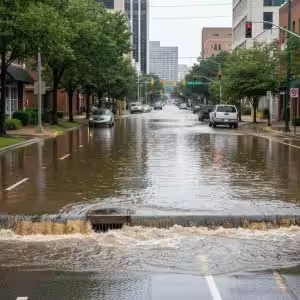
Heavy rain and storm damage overload gutter systems and roof drains, leading to water pooling around foundations and seeping into basements. Poor grading or clogged downspouts exacerbate the problem by directing runoff toward the home’s envelope. After a summer thunderstorm, pooling around a crawl space may trigger a basement flood without proper drainage.
How Can Appliance Leaks Cause Water Damage in Homes?
Malfunctioning water heaters, dishwashers, and washing machines can develop slow or sudden leaks that go unnoticed behind cabinets or under flooring. Even a minor leak over weeks can saturate subfloors, promote mold, and weaken joists. A dishwasher seal failure, for instance, can cause gray water flooding that demands professional cleaning and sanitizing.
What Is the Step-by-Step Process for Residential Flood Cleanup?
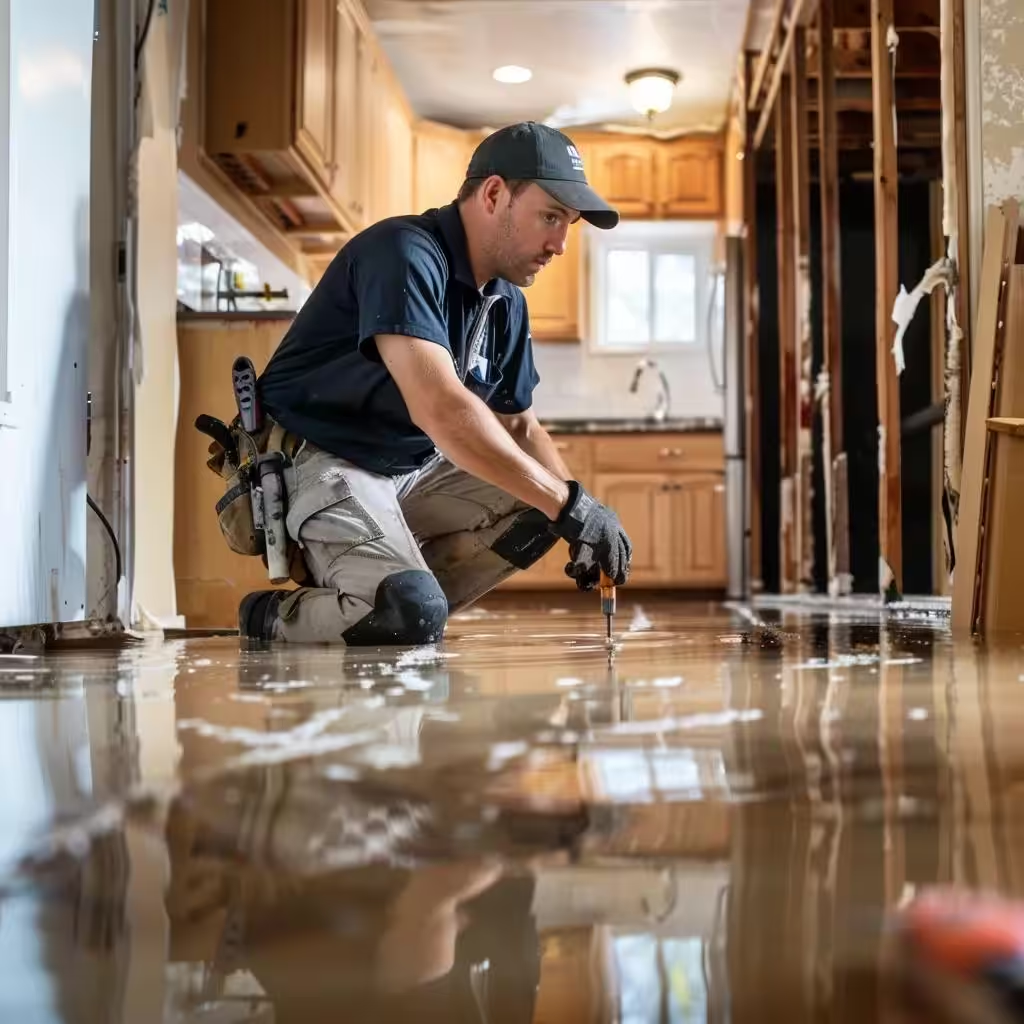
Residential flood cleanup involves assessment, extraction, drying, dehumidification, and repair to restore a safe living environment. A systematic approach minimizes downtime, prevents secondary damage, and ensures thorough restoration.
How Does Water Extraction and Drying Restore Flooded Areas?
Water extraction uses powerful pumps and vacuums to remove standing water quickly and prevent material saturation. Technicians then deploy air movers and truck-mounted dryers to evaporate residual moisture from carpets, walls, and structural cavities. Effective extraction reduces drying time from weeks to days and halts mold proliferation. For more information on water damage restoration, you can visit our site.
The Impact of Water Damage on Building Materials
Water damage can lead to significant structural issues and promote the growth of mold, which poses health risks. The presence of moisture in building materials like drywall and wood can cause them to deteriorate, leading to costly repairs and potential health hazards for occupants. For more information, visit our water damage restoration page.
This research supports the article’s emphasis on the importance of prompt water extraction and drying to prevent structural damage and mold growth.
Why Is Dehumidification Critical After Flood Water Removal?
Dehumidification lowers indoor humidity to 30–50%, stopping water vapor from condensing on cooler surfaces. Industrial dehumidifiers capture thousands of pints of moisture daily, ensuring wood framing, drywall, and furniture dry uniformly. Without this step, hidden dampness can lead to warping, staining, and mold growth in concealed areas.
What Structural Repairs and Content Restoration Are Needed Post-Flood?
Structural repairs include drywall replacement, subfloor stabilization, and rebuilds of damaged framing. Content restoration involves cleaning, sanitizing, and deodorizing furniture, clothing, and personal items. Technicians inventory belongings, pack out what can be restored off-site, and document replacements for insurance claims. These measures return a home to its pre-flood condition.
Why Choose National Insurance Claim Specialist for Residential Flood Cleanup in Charlotte?
Choosing National Insurance Claim Specialist ensures fast, certified, and customer-focused service that minimizes water damage impact and restores peace of mind. Proven methods and local expertise protect your investment and health.
How Does 24/7 Emergency Response Minimize Flood Damage?
Rapid response within the first 24–48 hours prevents flood water from soaking deeper into building materials and discourages mold colonization. National Insurance Claim Specialist’s round-the-clock availability ensures crews arrive with extraction and drying equipment at any hour, reducing repair costs and displacement time.
What Benefits Do IICRC-Certified Technicians Provide?
IICRC-certified technicians adhere to industry standards for water damage restoration, employing proven protocols for assessment, containment, and moisture control. Certification guarantees staff receive ongoing training, use proper antimicrobial treatments, and follow safety guidelines that protect occupants and property. Water damage restoration is essential for restoring homes effectively.
How Does National Insurance Claim Specialist Ensure Transparent Communication and Customer Care?
Clients receive real-time updates via phone, email, and on-site consultations, including detailed scope of work and itemized estimates. Project managers coordinate with insurance adjusters, document progress with photographs, and explain each restoration phase. This transparency builds trust and keeps homeowners informed at every step. home restoration
How Much Does Residential Flood Cleanup Cost in Charlotte, NC?
Residential flood cleanup costs vary by water category, affected area size, and necessary repairs. Clear estimates help homeowners budget and navigate insurance coverage efficiently.
Before exploring detailed estimates, here is a breakdown of major cost drivers:
- Water Category (clean, gray, black)
- Affected Square Footage
- Structural and Finish Repairs
- Contents Cleaning and Pack-Out
- Emergency Mitigation Services
| Entity | Attribute | Value |
|---|---|---|
| Clean Water Flooding | Cost Range | $450–$3,000 per incident |
| Gray Water Flooding | Cost Range | $1,200–$4,500 per incident |
| Black Water Flooding | Cost Range | $2,500–$16,000 per incident |
Black water flooding involves sewage or contaminated sources and demands extensive sanitization. Understanding these ranges helps you gauge potential expenses before scheduling a professional assessment.
What Factors Influence Water Damage Restoration Pricing?
Several factors impact pricing, including:
- Water Category – Higher contamination levels require specialized containment and disposal.
- Severity of Saturation – Deeper saturation demands longer drying and more equipment.
- Material Replacement – Carpeting, drywall, and insulation replacement add to labor and materials.
- Access and Containment – Hard-to-reach areas increase labor time and complexity.
- Mold Remediation Needs – Post-flood mold growth triggers additional treatments and repairs.
These variables combine to determine a tailored estimate for each unique flood scenario.
How Does Insurance Affect Flood Cleanup Expenses?
Insurance coverage depends on policy details related to flood, water backup, or homeowner’s water damage provisions. Standard homeowner policies often exclude natural flood events, while separate flood insurance or endorsements cover up to policy limits. National Insurance Claim Specialist assists with documentation, provides comprehensive loss reports, and works directly with adjusters to maximize claim approvals.
What Are Typical Cost Ranges for Different Types of Water Damage?
Cost ranges vary by flood type and scale. Clean water from burst pipes is usually least expensive, while sewer backups require the highest investment. Homeowners can expect incremental price increases as shown in the cost table above and through detailed line items in their service estimate.
When Should Homeowners Attempt DIY Flood Cleanup vs. Hiring Professionals?
DIY flood cleanup suits minor clean water incidents under controlled conditions, while professionals are essential for contaminated water or significant damage. Assessing risks and complexity guides the right decision.
What Are the Risks of DIY Water Damage Cleanup?
DIY cleanup risks include:
- Inadequate drying leading to structural rot.
- Improper handling of gray or black water causing health hazards.
- Lack of industrial equipment prolonging moisture retention.
- Missed hidden pockets of water behind walls or under floors.
- Potential electrical or slip hazards when water and power mix.
These dangers can worsen damage and lead to costly mold remediation later.
Which Flood Scenarios Require Immediate Professional Intervention?
Call professionals when:
- Flood water is gray or black (sewage, chemicals).
- Standing water depth exceeds 1 inch in multiple rooms.
- Water has soaked into structural components (walls, joists).
- Mold appears within 24–48 hours of flooding.
- You lack adequate drying and sanitizing equipment.
Professional intervention ensures safe, thorough mitigation and prevents health risks.
What Emergency Water Damage Tips Can Homeowners Follow Before Help Arrives?
Before experts arrive, homeowners should:
- Shut off electricity at the breaker panel if water is near outlets.
- Stop the source of water if safe to do so (e.g., turn off the main valve).
- Remove small furniture and valuables to a dry area.
- Use towels or a wet/dry vacuum to extract excess water.
- Photograph damage and affected items for insurance records.
These steps minimize damage and document loss, preparing the way for a smoother restoration.
How Can You Prevent Future Residential Water Damage and Flooding?
Preventive maintenance and smart solutions reduce flood risks and potential repair costs. Proactive measures protect both structure and belongings.
What Maintenance Practices Reduce Flood Risks in Charlotte Homes?
Effective maintenance practices include:
- Cleaning gutters and downspouts at least twice a year.
- Ensuring proper grading around the foundation directs water away.
- Inspecting roofing, flashing, and seals annually for leaks.
- Testing sump pumps quarterly and installing a battery backup.
- Replacing worn-out pipe fittings and installing shut-off valves near appliances.
Regular upkeep prevents minor issues from escalating into major floods.
How Do Smart Home Solutions Help Detect and Prevent Water Damage?
Smart sensors and automation provide early warnings and automatic shutoffs:
- Leak Detection Sensors – Alert homeowners to moisture under sinks and appliances.
- Smart Shutoff Valves – Automatically close water supply when leaks are detected.
- Humidity Monitors – Notify when indoor humidity exceeds safe thresholds.
- Integrated Monitoring Platforms – Centralize alerts from multiple devices.
Technology detects problems early, reducing water intrusion and repair costs.
What Are Effective Basement Flood Prevention Strategies?
Basement-specific strategies include:
- Installing a waterproof sealant on foundation walls.
- Adding a French drain system around the perimeter.
- Elevating HVAC units and electrical panels above potential water levels.
- Using a high-capacity sump pump with an alarm.
- Incorporating a backup generator for continuous pump operation.
A well-protected basement minimizes flood occurrence and damage.
What Are the Health Risks of Mold After Residential Flooding and How Is It Removed?
Mold can begin growing within 24–48 hours of water exposure, posing respiratory and structural threats. Proper mold remediation restores safety and air quality.
How Quickly Does Mold Grow After Water Damage?
Mold spores germinate rapidly in damp conditions, typically within one to two days after flooding. Warm temperatures and organic materials accelerate growth, meaning early detection and drying are critical to prevent widespread contamination.
What Is the Mold Removal Process After a Flood?

Professional mold remediation follows these steps:
- Containment – Isolate affected areas using plastic sheeting and negative air pressure.
- Removal – Physically remove mold-infested drywall, insulation, and carpeting.
- Cleaning – Apply antimicrobial treatments to surfaces and structural cavities.
- Drying – Employ air movers and dehumidifiers to eliminate residual moisture.
- Restoration – Replace removed materials and rebuild affected areas.
Best Practices for Mold Remediation
Professional mold remediation involves containment, removal of mold-infested materials, cleaning, drying, and restoration. These steps are crucial for eliminating mold and preventing its return, ensuring a safe and healthy indoor environment. Proper remediation techniques are essential to protect both the structure of the building and the health of its occupants.
This citation reinforces the article’s discussion of the mold removal process and the importance of professional intervention to ensure effective and safe remediation.
Flood cleanup requires expertise, rapid action, and a clear plan. By understanding causes, following an organized process, and engaging certified professionals like National Insurance Claim Specialist, homeowners can secure their property against future damage. Implementing preventive measures and addressing mold risks completes a comprehensive strategy for resilient, healthy living spaces. Contact National Insurance Claim Specialist today for expert flood cleanup and restoration services in Charlotte, NC.