Fire Damage Liability: What Homeowners Must Know
Homeowners face significant risks from fire damage. Fires can destroy physical structures, personal belongings, and even affect neighboring properties. Determining fire damage liability is crucial since responsibility may lie with the homeowner, contractors, or third parties due to negligence. In cases where the damage is extensive, homeowners might need to consider a local fire damage restoration charlotte nc service to help mitigate losses. This article explains fire damage liability, outlines how homeowners insurance covers fire damage, and reviews legal and financial responsibilities after a fire. It also highlights necessary safety steps, documentation requirements, and preventive measures, while providing guidance on working with a fire damage lawyer. For further assistance or inquiries, please visit our contact-us section.
Understanding fire damage liability is a matter of financial prudence and legal compliance. Homeowners informed about policy exclusions, state-specific statutes, and proper safety practices can act quickly if a fire occurs. With robust fire prevention measures, prompt maintenance, and expert legal support, homeowners can mitigate the severe impact of fires.
What Is Fire Damage Liability and How Does It Affect Homeowners?
Fire damage liability is the legal responsibility a homeowner may bear when a fire damages their property or adjacent properties. This liability may arise from negligence, poor maintenance, failure to install or maintain safety equipment, or noncompliance with local fire codes.
What Does Fire Damage Liability Mean for Homeowners?
Liability means a homeowner could be responsible for damages if a fire starts due to their negligence. If a fire spreads to neighboring properties, the homeowner might be held liable for those losses as well. Preventive practices like updating electrical systems, installing modern fire prevention tools, and keeping safety equipment functional help reduce liability. Furthermore, detailed records of repairs and inspections can support a homeowner’s position in disputes or insurance claims.
How Are Homeowners Legally Responsible for Fire Damage?
Homeowners are legally responsible when preventable issues cause a fire. This includes poor maintenance, neglecting fire codes, or improper use of fire-related equipment. Courts assess whether safety precautions were taken and if local safety regulations were met. Regular inspections, maintenance of smoke detectors, fire extinguishers, and sprinkler systems are crucial. Failure to do so may lead to legal actions, as evidence of neglect can increase liability.
What Are Common Causes of House Fires That Impact Liability?
Common causes include: • Electrical issues from faulty wiring or outdated systems. • Unattended cooking or heating system malfunctions. • Improper use of candles, fireplaces, or space heaters.
Human error, such as leaving candles burning too long or mishandling fireworks, can also trigger fires. In each case, liability depends on whether the homeowner followed fire safety protocols and local regulations.
How Does Homeowners Insurance Cover Fire Damage Claims?
Homeowners insurance is designed to ease the financial burden after fire damage. Policies generally cover structural damage and personal property loss. However, coverage varies depending on specific policy terms like deductibles and exclusions. Homeowners must review their policies to understand what is covered and to avoid unexpected expenses.
What Types of Fire Damage Are Covered by Homeowners Insurance?
Typically, coverage includes: • Direct damage to the home’s structure (walls, roof, flooring). • Damage to personal belongings such as furniture and clothing. • Additional living expenses (ALE) if the home is uninhabitable.
Some policies also cover emergency repairs and debris removal. Secondary incidents like water damage from firefighting efforts may also be included. However, intentional fires or losses caused by gross negligence are often excluded.
What Are Common Insurance Policy Exclusions for Fire Damage?
Exclusions commonly include: • Fires caused by arson if the homeowner is involved. • Damage resulting from illegal activities. • Losses due to neglect or failure to maintain fire safety equipment.
In some regions, wildfires or naturally occurring fires might be excluded or limited. Understanding these exclusions helps homeowners decide if additional coverage or endorsements are necessary.
How Do You File a Fire Damage Claim Successfully?
To file a successful claim, homeowners should: • Immediately contact emergency services, then notify their insurance company. • Document all damage with photographs and detailed inventories of damaged items. • Obtain repair estimates and keep records of all communications with the insurer.
An independent evaluation by a fire damage restoration expert can strengthen the claim. It is vital to adhere to any deadlines outlined in the policy to ensure the claim is processed timely.
What Are the Typical Costs and Payouts in Fire Damage Claims?
Costs vary with the extent of the damage and policy limits. Payouts typically cover: • Structural repairs or rebuilding of the home. • Replacement of personal property. • Additional living expenses if temporary housing is required.
Insurers may use Actual Cash Value (ACV) or Replacement Cost Value (RCV). Deductibles, which are subtracted from the claim amount, also affect the final payout.
What Are Homeowners’ Responsibilities After a Fire Incident?
After a fire, homeowners must act quickly to secure their property, prevent further damage, and support the insurance process. Prompt documentation and adherence to safety steps are crucial for successful claims and potential legal actions.
What Immediate Safety Measures Should Homeowners Take After a Fire?
The top priority is resident safety. Homeowners should: • Evacuate immediately and call emergency services. • Have professionals assess the property’s structural integrity before re-entry. • Secure the damaged area by boarding up windows or covering roofs to prevent additional harm.
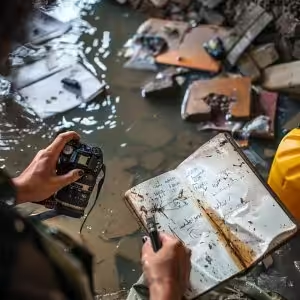
Documenting damages through photographs and detailed notes is essential to support any claims.
How Should Homeowners Document Fire Damage for Liability and Claims?
Documentation should include: • Clear, timestamped photographs of all visible damage. • Detailed inventories of damaged or destroyed items with any available receipts. • Records of communication with emergency services, insurance agents, and restoration experts.
A written timeline of events improves the credibility of the claim and helps determine liability.
When and Why Should Homeowners Contact a Fire Damage Lawyer?
If there is any dispute with the insurance company or uncertainties about liability, contacting a fire damage lawyer promptly is crucial. A lawyer can: • Interpret policy language and local statutes. • Negotiate with insurers to ensure fair compensation. • Advise on the evidence needed to establish negligence or third-party liability.
Legal help becomes even more important if claims are denied or settlement offers are insufficient.
What Is the Role of a Fire Investigator in Determining Liability?
Fire investigators determine the cause of a fire by analyzing physical evidence and scene details. Their findings help establish whether a fire was accidental, due to negligence, or intentionally set. This report is critical for both insurance claims and potential legal disputes, as it supports conclusions about liability and damages.
What Are the Legal Consequences and Statutes of Limitations for Fire Damage?
Fire damage can lead to legal repercussions such as lawsuits and financial penalties. Understanding the legal framework helps homeowners act promptly and appropriately.
What Potential Legal Actions Can Arise From Fire Damage Liability?
Potential legal actions include: • Lawsuits for property damage or personal injury. • Claims for breach of contract or negligence. • Litigation against contractors or manufacturers for faulty workmanship.
Courts evaluate whether the homeowner followed safety regulations and maintained proper documentation. Prompt legal consultation is recommended to secure rights in disputes.
How Long Do Homeowners Have to File Fire Damage Claims?
The statute of limitations for fire damage claims typically ranges from one to three years, depending on state laws and policy terms. Missing this deadline can permanently bar a homeowner from seeking compensation. It is essential to notify the insurance company and gather all necessary documentation as soon as possible.
How Does Arson Affect Fire Damage Liability and Legal Outcomes?
Arson adds complexity because it is considered a criminal act. If a fire is determined to be arson and the homeowner is not involved, standard coverage usually applies. However, any evidence suggesting homeowner negligence can complicate claims, leading to higher liability, denied claims, or additional legal action.
How Can Homeowners Prevent Fire Damage and Reduce Liability Risks?
Prevention is the most effective strategy to lower the risk of fire damage and legal liability. Proactive maintenance and safety measures significantly reduce potential losses.
What Are Effective Fire Prevention Measures for Homeowners?
Effective measures include: • Installing and routinely testing smoke detectors, fire alarms, and sprinkler systems. • Ensuring that electrical wiring, heating systems, and appliances are regularly maintained. • Keeping a clutter-free home and safely storing flammable materials away from heat sources.
Developing an emergency response plan with evacuation routes and meeting points is also critical. Landscaping to create defensible space helps reduce wildfire risks.
How Does Proper Maintenance Impact Fire Liability?
Regular maintenance minimizes the chance of fires by ensuring that critical systems operate safely. Homeowners should: • Have periodic inspections of electrical wiring and HVAC units. • Keep detailed records of repairs and upgrades. • Address any identified hazards immediately.
Well-maintained properties and documented maintenance practices reduce perceptions of negligence in legal disputes.
What Safety Equipment Should Homeowners Install to Minimize Fire Damage?
Key safety equipment includes: • Smoke detectors, heat sensors, and carbon monoxide detectors installed throughout the home. • Easily accessible fire extinguishers on every level. • Sprinkler systems that automatically activate to control fires.
Modern systems integrated with smart home technology can alert homeowners via mobile devices, enabling rapid responses in emergency situations. Clear exit signage and well-lit routes further enhance safety.
How Does Fire Damage Impact Property Value and Tax Implications?
Fires can lower a property‘s market value and complicate tax situations. Damage may reduce curb appeal and functionality, leading appraisers to adjust property values downward.
What Is the Effect of Fire Damage on Home Market Value?
Fires often result in a decreased market value due to the stigma of prior damage and the costs associated with restoration. Even after repairs, properties with a fire history may be viewed less favorably by buyers, potentially affecting resale value and appraisal outcomes.
Are There Tax Deductions or Credits Related to Fire Damage Losses?
Homeowners may be eligible for tax deductions or credits related to casualty losses. Rebuilding or repairing a damaged property can sometimes be declared as a casualty loss under IRS guidelines, provided proper documentation is maintained. Local programs may also offer additional tax incentives for rebuilding after a fire. Consulting with a tax professional can help homeowners maximize these benefits.
How Can Homeowners Find and Work With a Fire Damage Lawyer?
Collaborating with a fire damage lawyer is advisable after a fire, especially when disputes with insurers or complexities about liability arise. A lawyer ensures that homeowners receive full compensation and that their legal rights are protected.
What Qualities Should You Look for in a Fire Damage Lawyer?
Homeowners should look for a lawyer who: • Has a strong track record in handling fire damage and related liability cases. • Possesses comprehensive knowledge of local fire and insurance laws. • Demonstrates excellent communication and transparent fee practices. • Offers empathetic support during what is often a traumatic period.
Evaluating potential lawyers through consultations and references is key to choosing the right representation.
How Does a Lawyer Help With Fire Damage Liability and Claims?
A fire damage lawyer can: • Assess the cause of the fire and evaluate evidence of negligence. • Coordinate with fire investigators and review maintenance records. • Negotiate effectively with insurance companies to secure fair settlements. • Guide homeowners through dispute resolution, whether through mediation or litigation.
What Are the Typical Costs of Hiring a Fire Damage Lawyer?
Lawyers in this field often work on a contingency fee basis, typically receiving 20% to 40% of the recovered amount. Some cases might involve hourly charges for consultations. Discussing fees upfront and comparing multiple consultations ensures that homeowners obtain fair and competitive legal representation.
Frequently Asked Questions
Q: What is fire damage liability? A: It is the legal responsibility a homeowner may have for damages caused by a fire on their property, including damage to neighboring structures, due to negligence or failure to maintain safety measures.
Q: Does homeowners insurance cover fire damage? A: Yes, most policies cover structural damage and personal property loss caused by fire; however, deductibles, exclusions, and specific terms vary by policy.
Q: How long do I have to file a fire damage claim? A: Typically, the statute of limitations ranges from one to three years after the incident, so timely filing is crucial.
Q: What steps should I take immediately after a fire? A: Ensure everyone’s safety, call emergency services, notify your insurance company, and document the damage thoroughly with photos and records.
Q: When should I contact a fire damage lawyer? A: Contact a lawyer as soon as possible, especially if there are disputes with your insurance company or questions about liability.
Q: Can I reduce my liability risk? A: Yes, by maintaining regular inspections, installing updated fire safety equipment, and keeping comprehensive maintenance records, you can substantially reduce your risk of liability.
Q: How does arson influence fire damage claims? A: Arson adds complexity, as it is a criminal act. If arson is proven and you are not involved, insurance usually covers the damage; however, any suggestion of negligence may increase liability.
Final Thoughts
Understanding fire damage liability, insurance coverage, and the legal implications is essential for every homeowner. By implementing effective fire prevention measures, maintaining rigorous documentation, and working with knowledgeable legal experts, homeowners can better protect their property and financial interests. Taking proactive steps after a fire—including prompt notification of insurers and seeking legal counsel—helps ensure a smoother recovery process and minimizes potential losses.