Home emergencies can strike Charlotte homeowners at any moment and leave major repairs hanging over your head. Picture this: 63 percent of urgent repairs involve electro-mechanical systems and many families scramble to get help before the damage spirals out of control. What may shock you is that most people overlook the fastest solutions hiding right in their own city, and miss out on the local support and emergency programs built specifically for situations like these.
Table of Contents
- Identifying Urgent Home Repair Needs
- Immediate Steps For Emergency Repairs
- Insurance And Legal Aspects Explained
- Local Resources For Charlotte, NC Property Owners
Quick Summary
| Takeaway | Explanation |
|---|---|
| Recognize Critical Repair Signs | Homeowners should be vigilant for indicators such as water intrusion, electrical failures, and structural issues that demand immediate attention to prevent costly damages. |
| Prioritize Emergency Repairs | Focus on urgent repairs related to electro-mechanical systems, plumbing, and structural integrity as they pose the highest risks to safety and property value. |
| Document Damage Immediately | After an emergency occurs, homeowners must take clear photos, write detailed descriptions, and maintain a chronological log to facilitate insurance claims and ensure proper repairs. |
| Utilize Local Resources | Various municipal and county programs in Charlotte offer financial assistance and support for urgent repairs, particularly for low-income homeowners, making immediate help accessible. |
| Understand Insurance Policies | Homeowners must thoroughly review their insurance coverage for emergency repairs, understand claim procedures, and keep detailed documentation to ensure claims are handled efficiently. |
Identifying Urgent Home Repair Needs
Homeowners in Charlotte face unique challenges when it comes to emergency home repairs. Understanding how to quickly identify and address urgent repair needs can mean the difference between a minor fix and a catastrophic property damage scenario.
Recognizing early warning signs of serious home damage is crucial for protecting your property. Structural issues often develop quietly, potentially compromising your home’s integrity before becoming visibly apparent. Learn more about comprehensive property assessments to catch potential problems early.
Critical indicators that demand immediate attention include:
- Water Intrusion: Persistent moisture can lead to extensive structural damage and mold growth. The North Carolina Housing Finance Agency notes that water-related issues are among the most urgent home repair needs, potentially threatening both property value and occupant health.
- Electrical System Failures: Flickering lights, frequent circuit breaker trips, or burning smells near electrical outlets signal potential fire hazards that require immediate professional evaluation.
- Foundation and Structural Compromises: Visible cracks in walls, uneven flooring, or doors that no longer close properly could indicate serious structural problems.
Prioritizing Emergency Repairs
Not all home repairs are created equal. According to research from the Joint Center for Housing Studies, emergency repairs typically fall into three critical categories:
- Electro-mechanical systems (63% of urgent repairs)
- Plumbing infrastructure (57% of urgent repairs)
- Structural integrity components (52% of urgent repairs)
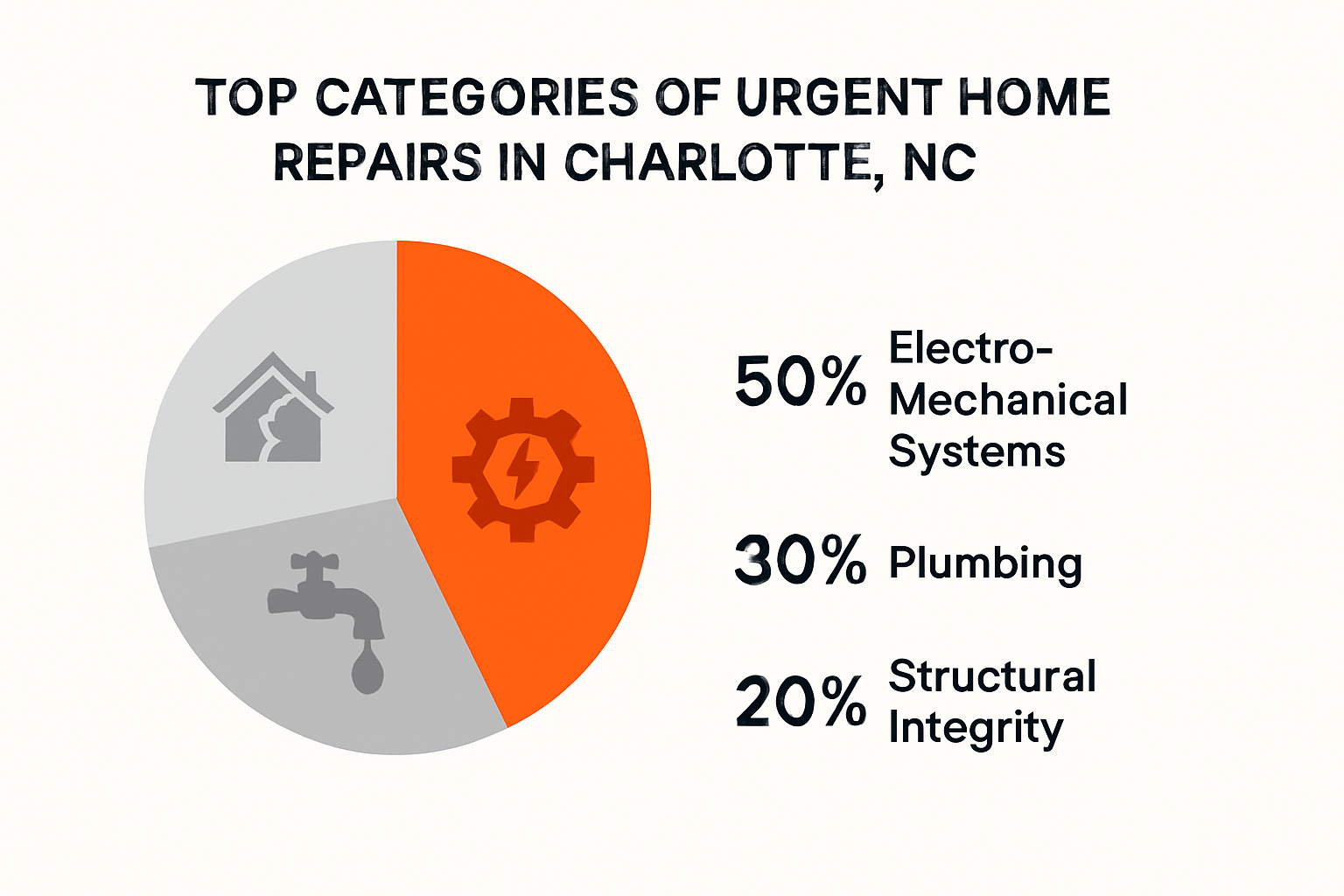
To help you quickly compare the types and frequency of urgent home repairs, here’s a summary table based on the categories mentioned above:
Most Common Types of Emergency Home Repairs and Their Frequency
| Repair Category | Percentage of Urgent Repairs |
|---|---|
| Electro-mechanical systems | 63% |
| Plumbing infrastructure | 57% |
| Structural integrity components | 52% |
Homeowners should develop a systematic approach to assessing and addressing repair needs. This involves regular property inspections, maintaining a contingency fund, and establishing relationships with reliable local contractors who specialize in emergency home repairs.
The financial burden of unexpected home repairs can be overwhelming. Fortunately, local resources like the North Carolina Housing Finance Agency’s Urgent Repair Program offer support for low-income homeowners facing critical repair needs. These programs focus on addressing issues that directly threaten life safety or home habitability.
Proactive maintenance remains the best defense against emergency repairs. Regular inspections can help identify potential issues before they escalate into costly emergencies. Homeowners should create a comprehensive maintenance schedule that includes checking roofing, plumbing, electrical systems, and foundational elements at least twice a year.
Remember that timing is critical when addressing home repair emergencies. Delaying necessary repairs can lead to exponentially increasing damage and significantly higher repair costs. Quick action, professional assessment, and strategic planning are your best tools in managing unexpected home maintenance challenges.
Immediate Steps for Emergency Repairs
When disaster strikes, homeowners in Charlotte need a clear, strategic approach to managing emergency home repairs. Swift and calculated actions can significantly minimize property damage and reduce long-term repair costs.
Assessing and Documenting Initial Damage
Immediate documentation is critical during any emergency repair scenario. Explore our comprehensive disaster response strategies to protect your property effectively. Homeowners should first prioritize safety and then systematically document all damage. According to the Wisconsin Department of Agriculture, Trade and Consumer Protection, key documentation steps include:
- Photographic Evidence: Take clear, comprehensive photos of all damaged areas from multiple angles.
- Written Descriptions: Create detailed notes describing the extent and nature of the damage.
- Time-Stamped Records: Maintain a chronological log of when damage occurred and initial repair attempts.
To clarify the key steps for documenting initial home damage after an emergency, here is a simple checklist table:
Emergency Damage Documentation Checklist
| Step | Description |
|---|---|
| Photographic Evidence | Take clear photos of all damaged areas |
| Written Descriptions | Note the extent and nature of the damage |
| Time-Stamped Records | Log the time and date of damage and initial repairs |
Immediate Mitigation and Temporary Repairs
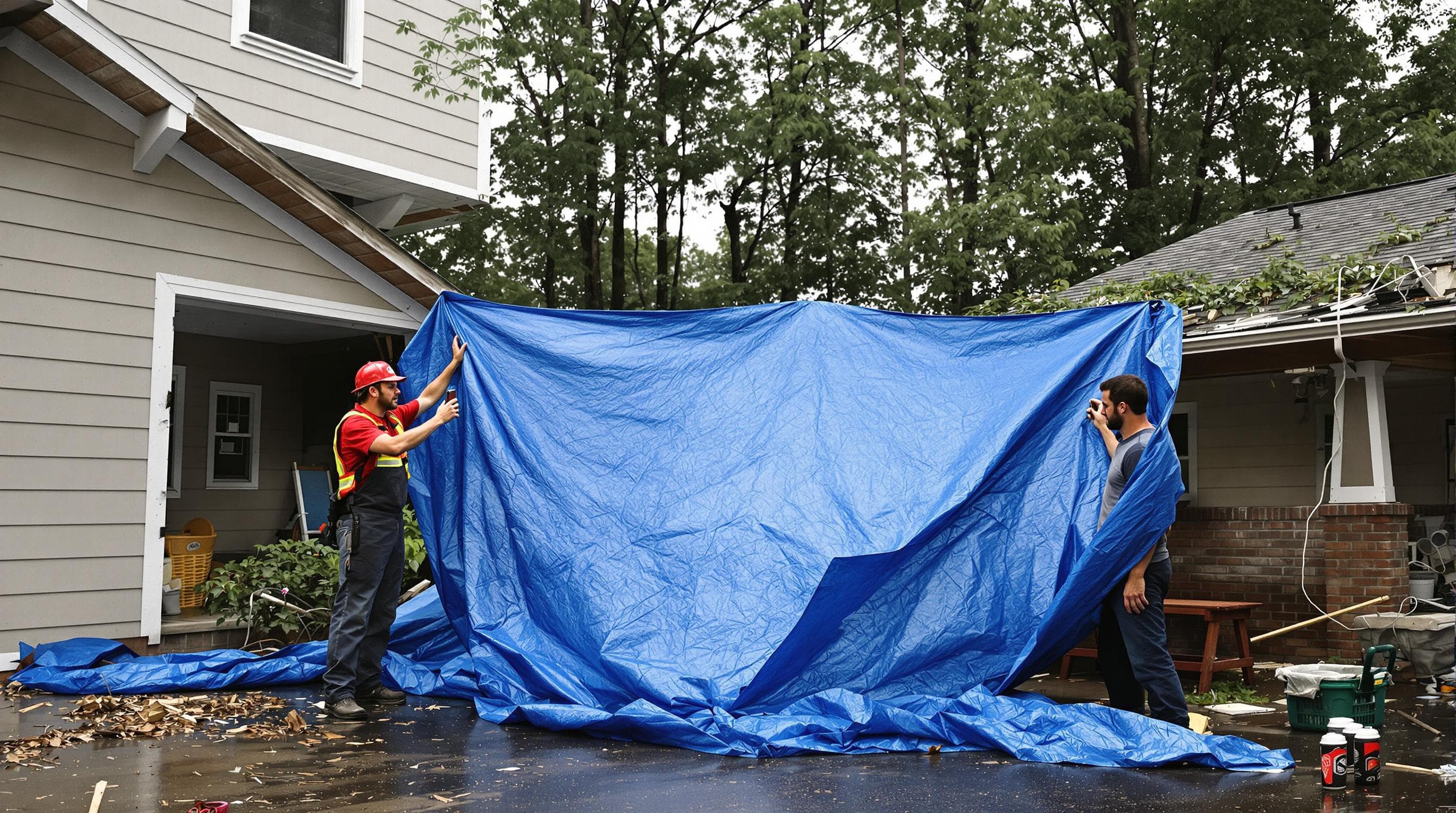
Preventing further damage requires immediate action. Emergency Property Repairs experts recommend implementing temporary protective measures. The City of Philadelphia’s Basic Systems Repair Program highlights critical initial steps:
- Cover exposed areas with waterproof tarps
- Shut off electrical systems if water damage is present
- Remove standing water to prevent mold growth
- Ventilate affected spaces to reduce moisture
Contractor selection becomes paramount during emergency repairs. Homeowners should:
- Verify professional credentials
- Request multiple repair estimates
- Confirm insurance and licensing
- Obtain detailed written contracts
- Request lien waivers to protect against potential future claims
Navigating Insurance and Financial Assistance
Financial resources can significantly alleviate the burden of emergency repairs. The North Carolina Housing Finance Agency’s Urgent Repair Program provides critical support for homeowners facing emergency situations. Potential financial assistance avenues include:
- Homeowners insurance claims
- Local government emergency repair programs
- State-sponsored housing assistance funds
- Federal disaster relief grants
Understanding your insurance policy’s specifics is crucial. Review coverage details for emergency repairs, understand claim filing procedures, and maintain open communication with your insurance provider.
Remember that timing is everything in emergency home repairs. Delays can transform minor issues into catastrophic damages. Professional assessment, quick action, and strategic planning are essential in managing unexpected home maintenance challenges. Prioritize safety, document thoroughly, and seek expert guidance to navigate the complex landscape of emergency home repairs effectively.
Insurance and Legal Aspects Explained
Navigating the complex world of insurance and legal considerations during emergency home repairs requires careful understanding and strategic planning. Homeowners in Charlotte must be prepared to protect their property and financial interests through informed decision-making.
Understanding Insurance Coverage for Emergency Repairs
Insurance policies can be intricate labyrinths of legal language and specific conditions. Explore our comprehensive guide to insurance claims to ensure you’re fully prepared. According to the North Carolina Licensing Board for General Contractors, homeowners should carefully review their insurance policies to understand:
- Scope of Coverage: Identify exactly what types of emergency repairs are included in your policy.
- Claim Filing Procedures: Understand the specific steps required to initiate and process an insurance claim.
- Documentation Requirements: Maintain detailed records of damage, repair estimates, and communication with insurance providers.
Key considerations for insurance claims include:
- Immediate notification to your insurance provider
- Comprehensive photographic documentation of damage
- Obtaining professional repair estimates
- Keeping receipts for any temporary repairs or emergency expenses
Legal Protections for Homeowners
Legal safeguards play a crucial role in protecting homeowners during emergency repair processes. The North Carolina Housing Finance Agency recommends several critical legal precautions:
- Verify contractor licensing and insurance
- Obtain multiple written estimates
- Establish clear written contracts
- Request and retain lien waivers
- Avoid making full payments upfront
Homeowners should be particularly cautious of potential legal pitfalls, including:
- Predatory contractors seeking to exploit emergency situations
- Contracts with unclear terms or scope of work
- Verbal agreements that lack legal protection
- Potential liens from unpaid subcontractors
Navigating Financial Assistance and Legal Support
Financial challenges often accompany emergency home repairs. Several legal and financial resources can provide critical support:
- State-sponsored emergency repair programs
- Local government assistance funds
- Non-profit organizations specializing in home repair support
- Legal aid services for low-income homeowners
Key financial considerations include:
- Exploring government-backed repair assistance programs
- Understanding tax implications of emergency repairs
- Investigating low-interest repair loans
- Seeking potential grants for emergency home repairs
Professional legal consultation can be invaluable during complex emergency repair scenarios. Attorneys specializing in property law can provide guidance on insurance claims, contractor disputes, and financial protections.
Remember that proactive preparation is your best defense. Maintain comprehensive documentation, understand your insurance policy thoroughly, and establish relationships with reputable local contractors. By taking a strategic approach to insurance and legal considerations, homeowners can effectively manage the challenges of emergency home repairs while protecting their most valuable asset.
Local Resources for Charlotte, NC Property Owners
Charlotte property owners have access to a robust network of local resources designed to support emergency home repairs and disaster recovery. Navigating these resources strategically can provide critical financial and technical assistance during challenging times.
Municipal and County Support Programs
Learn about comprehensive local disaster recovery strategies to maximize available support. The city offers multiple avenues for property owners facing emergency repair challenges. Habitat Charlotte Region provides a critical home repair program targeting low-income homeowners, focusing on health and safety improvements that enable residents to age in place.
Key municipal resources include:
- Charlotte-Mecklenburg Housing Partnership
- City of Charlotte Neighborhood Services Department
- Mecklenburg County Community Support Services
- Local Emergency Management Office
Financial Assistance and Repair Support
Financial constraints should never prevent essential home repairs. The North Carolina Housing Finance Agency offers targeted support through its Urgent Repair Program, specifically designed for homeowners with limited financial resources. This program addresses critical repair needs that directly impact health and safety.
Available financial assistance options:
- Emergency Repair Grants: Provide immediate funding for critical home system repairs
- Low-Interest Repair Loans: Offer affordable financing for comprehensive home improvements
- Income-Qualified Repair Programs: Support elderly and disabled homeowners
- Disaster Recovery Funds: Assist properties impacted by major environmental events
Professional Support and Community Networks
Beyond financial resources, Charlotte offers a comprehensive ecosystem of professional support for property owners. Local organizations provide technical assistance, contractor referrals, and expert guidance during emergency repair scenarios.
Recommended support networks:
- Charlotte Area Contractors Association
- Mecklenburg County Building Inspections Department
- Local Small Business Development Centers
- Non-Profit Housing Rehabilitation Organizations
Property owners should proactively research and document available resources before emergencies occur. Establishing relationships with local support organizations, understanding eligibility requirements, and maintaining updated property documentation can significantly streamline the emergency repair process.
Preparing a comprehensive emergency repair strategy involves more than financial planning. Homeowners should develop a network of trusted local professionals, maintain emergency repair funds, and stay informed about municipal support programs. By understanding and leveraging local resources, Charlotte property owners can effectively manage unexpected home maintenance challenges and protect their most valuable asset.
Frequently Asked Questions
What are the signs of critical home repair emergencies?
Common signs include water intrusion, electric system failures, and visible cracks in walls that may indicate structural issues. Homeowners should act quickly to address these problems to avoid costly damage.
How can I document damage after an emergency repair?
Homeowners should take clear photographs of the damage, write detailed descriptions, and keep a chronological log of when the damage occurred and any initial repair attempts to support insurance claims.
What resources are available for emergency home repairs in Charlotte, NC?
Charlotte offers various resources, including the Urgent Repair Program by the North Carolina Housing Finance Agency, municipal support programs, and non-profit organizations like Habitat Charlotte Region that assist low-income homeowners.
How does homeowners insurance cover emergency repairs?
Homeowners should review their insurance policies to understand coverage specifics for emergency repairs, including claim procedures and required documentation to ensure a smooth claims process.
Regain Control During Home Repair Emergencies with Trusted Local Experts
Sudden water leaks, electrical issues, or structural threats can leave you feeling overwhelmed. When every minute counts, having a reliable partner makes all the difference. This guide shows how fast response, thorough documentation, and smart insurance navigation are vital when tackling emergency home repairs in Charlotte. Yet, finding a knowledgeable contractor who can manage urgent repairs, handle complex insurance claims, and restore your property efficiently is often the biggest challenge.
Instead of facing this alone, get help from seasoned professionals who understand Charlotte’s unique repair landscape. National Insurance Claim Specialist: Charlotte Damage Repair Experts – 2025 combines local expertise with a comprehensive approach to disaster recovery, insurance negotiations, and storm damage restoration. Let us help you protect your investment, secure fair compensation, and get your home back to normal—quickly and with less stress. Visit National Insurance Claim Specialist now and schedule your consultation today, so you are not left waiting when time matters most.
Recommended
- Charlotte, NC Hurricane Damage Repair: 2025 Guide & Tips
- Disaster Home Renovation: Charlotte Solutions for 2025
- Emergency Property Repairs in Charlotte, NC: 2025 Guide – Fire Damage Repair and Water Damage Repair Charlotte NC
- Tornado Damage Repair in Charlotte: National Insurance Claim Specialist [2025]