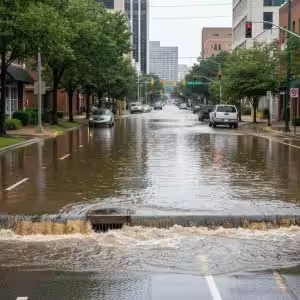
Emergency property repairs in Charlotte are more common than most homeowners realize. More than 37 percent of homeowners face at least one urgent repair need every year. That might sound like random bad luck waiting to strike. Here’s the twist. The difference between a disaster and a rapid recovery almost always comes down to what you do in the very first hour.
Table of Contents
- What Qualifies As Emergency Property Repairs
- Steps To Take During An Emergency Situation
- Choosing The Right Repair Service In Charlotte
- Insurance Claims And Legal Considerations
Quick Summary
| Takeaway | Explanation |
|---|---|
| Emergency repairs are critical for safety | Immediate action is necessary to address structural damage, water-related issues, and external threats to prevent further damage and protect occupants. |
| Prioritize personal safety during emergencies | Ensure personal safety first by evacuating, shutting off power if necessary, and avoiding hazardous materials before attempting assessments or repairs. |
| Document all damage thoroughly | Capture detailed photographic and written documentation of damages and communications to support insurance claims and restoration efforts. |
| Vet repair services carefully | Check credentials, insurance, and local experience of contractors, and consider financial aid options to assist with urgent repairs. |
| Understand your insurance policy | Review your insurance coverage comprehensively to identify covered damages, filing timelines, and requirements, enabling effective claim navigation. |
What Qualifies as Emergency Property Repairs
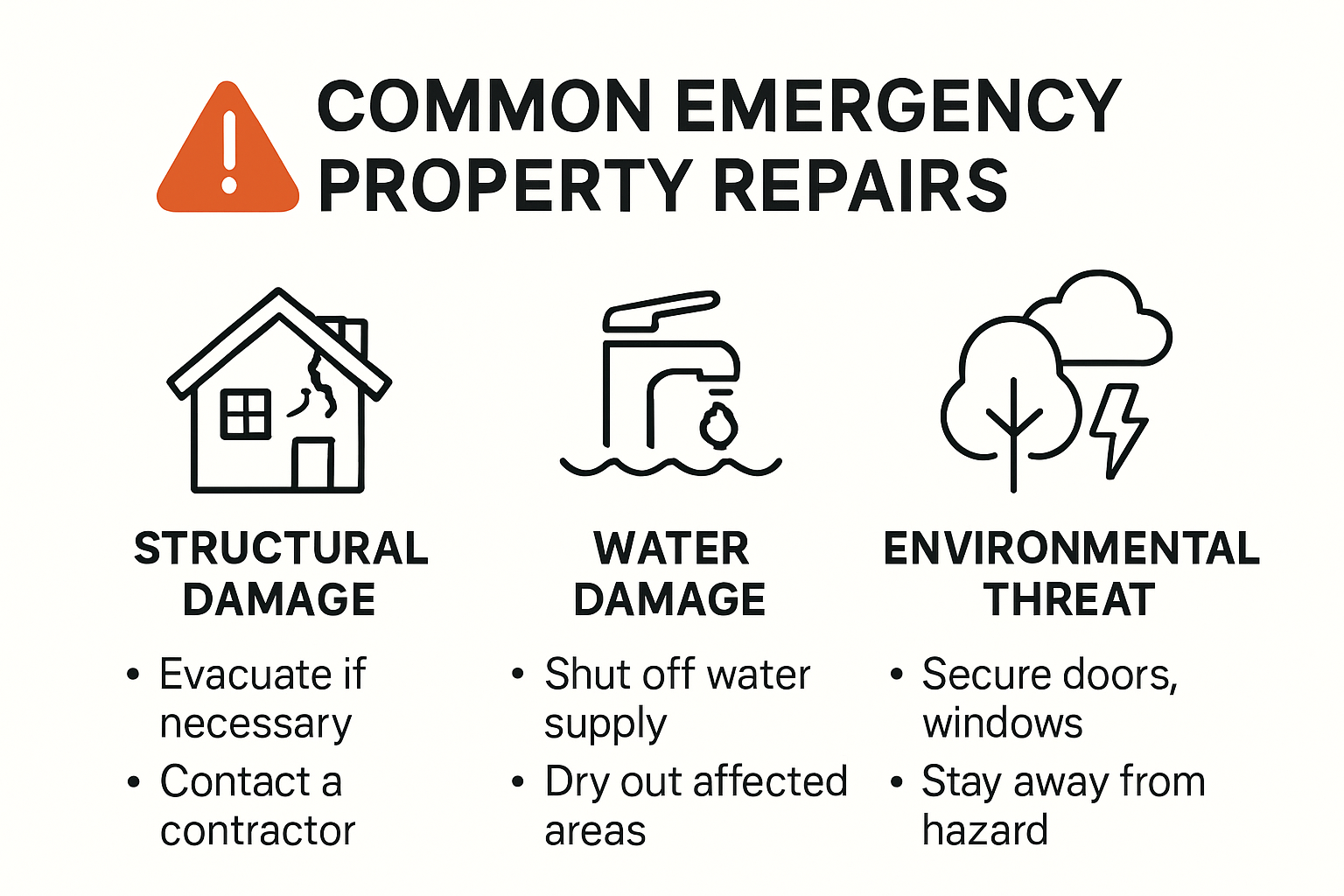
Emergency property repairs are critical interventions designed to prevent further damage, ensure safety, and protect the structural integrity of a property following unexpected incidents. Immediate action becomes paramount when facing situations that could compromise a building’s fundamental functionality or pose risks to occupants.
Structural Damage and Immediate Safety Concerns
Some emergency property repairs demand urgent attention due to their potential for catastrophic consequences. According to the Federal Highway Administration, emergency repairs are specifically undertaken during or immediately following a disaster to restore essential functionality and minimize potential damage. In the context of property repairs, this translates to addressing critical issues such as:
- Roof Damage: Compromised roofing that allows water infiltration or risks complete structural failure
- Foundation Cracks: Significant structural breaches that could lead to building collapse
- Electrical System Failures: Exposed wiring or complete electrical system breakdowns that create fire or electrocution risks
These scenarios represent more than simple maintenance issues. They are potential life safety hazards requiring immediate professional intervention.
Water and Moisture Related Emergency Repairs
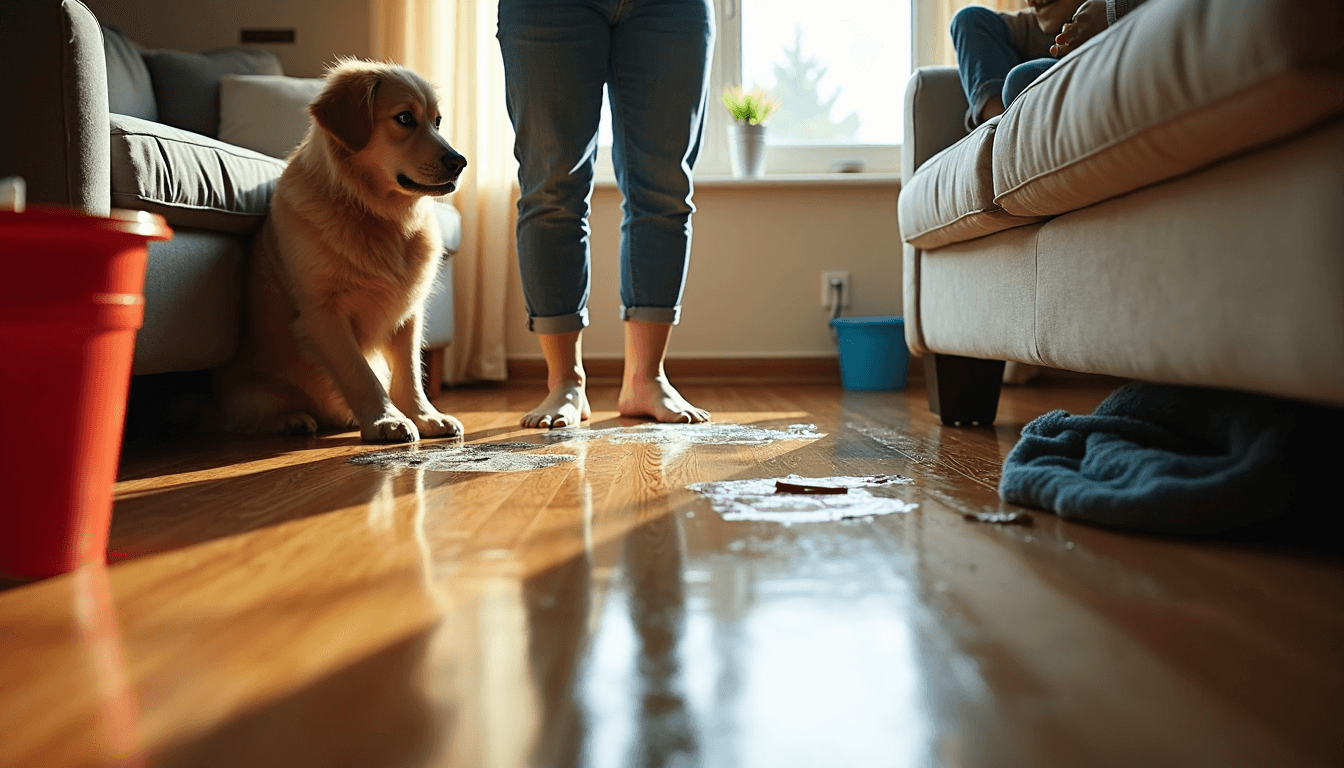
Water damage represents another crucial category of emergency property repairs. Unaddressed water intrusion can rapidly escalate from a minor issue to a major structural and health problem. Professional assessments become critical when encountering scenarios like:
- Burst pipes causing extensive flooding
- Sewage backups creating potential biohazard conditions
- Significant roof leaks allowing water penetration into interior spaces
Moisture can compromise building materials within 24 to 48 hours, leading to potential mold growth, wood rot, and structural degradation. Immediate water extraction, thorough drying, and comprehensive damage assessment become essential steps in mitigating long term property damage.
External Damage and Environmental Threats
External factors frequently necessitate emergency property repairs. Severe weather events like hurricanes, tornadoes, or significant storms can cause immediate and extensive property damage. These situations often require rapid response to prevent secondary damage and protect the property’s overall structural integrity.
When unexpected events strike, property owners need comprehensive strategies that address both immediate repair needs and long term restoration goals. Learn more about comprehensive restoration strategies to understand how professional intervention can transform emergency situations into manageable recovery processes.
Ultimately, qualifying an emergency property repair involves assessing immediate safety risks, potential for progressive damage, and the critical need for swift professional intervention. Recognizing these factors early can mean the difference between a manageable repair and a catastrophic property loss.
Steps to Take During an Emergency Situation
When facing a property emergency, your immediate actions can significantly impact the extent of damage and your safety. Quick and strategic responses are crucial to mitigating potential long term consequences and protecting both lives and property.
Personal Safety First
The primary concern during any emergency situation is ensuring personal safety. The U.S. Environmental Protection Agency provides critical guidance for individuals confronting property damage scenarios. Their recommendations emphasize several key protective measures:
- Immediate Evacuation: Leave the premises if structural damage appears severe or there are signs of electrical hazards
- Electrical Safety: Shut off main power sources if water intrusion or visible electrical damage exists
- Chemical Hazard Awareness: Avoid contact with potentially reactive household chemicals or leaking containers
Before attempting any repair or assessment, confirm that the environment is safe for human presence. Professional emergency responders can provide critical initial evaluations when risks seem substantial.
Documentation and Initial Assessment
Once personal safety is secured, systematic documentation becomes your next critical step. Insurance claims and potential restoration efforts rely heavily on comprehensive evidence. Property owners should:
- Photograph all damaged areas from multiple angles
- Record video documentation showing the extent of damage
- Create detailed written descriptions of observed issues
- Maintain a chronological log of when damage occurred
These materials serve as crucial evidence for insurance providers and restoration professionals. Learn more about navigating complex insurance claims to understand how proper documentation can streamline your recovery process.
Professional Emergency Response Coordination
After securing immediate safety and documenting damage, engaging professional emergency repair services becomes paramount. Specialized restoration teams can:
- Conduct comprehensive damage assessments
- Implement immediate stabilization techniques
- Prevent secondary damage through rapid intervention
- Provide expert guidance on restoration strategies
Effective emergency response requires a coordinated approach. Professional teams understand the nuanced challenges of different damage scenarios and can deploy targeted solutions that minimize long term property impacts.
Remember that time is of the essence during emergency property situations. Delaying action can transform manageable repairs into extensive reconstruction projects. Swift, calculated responses coupled with professional expertise offer the best pathway to property recovery and minimal disruption.
Here’s a table summarizing the key steps to take during an emergency situation, as described in the section above. This provides an easy checklist to help ensure no crucial step is missed.
| Emergency Step | Description |
|---|---|
| Personal Safety | Evacuate if necessary, address electrical/chemical hazards, ensure safe environment |
| Damage Documentation | Take photos, videos, and notes of all damaged areas and keep a chronological log |
| Professional Coordination | Contact emergency repair professionals for assessment and stabilization |
| Evidence Preservation | Keep all records, estimates, and communications for insurance and legal support |
| Timely Action | Act quickly to prevent manageable damage from escalating to more severe property loss |
Choosing the Right Repair Service in Charlotte
Selecting the appropriate emergency property repair service in Charlotte requires careful consideration and strategic evaluation. The right professional can mean the difference between comprehensive restoration and prolonged property damage.
Verification of Credentials and Expertise
Before engaging any repair service, property owners must conduct thorough due diligence. The North Carolina State Historic Preservation Office recommends obtaining detailed written proposals from at least three contractors. Critical verification steps include:
- Professional Licensing: Confirm North Carolina state contractor licenses
- Insurance Verification: Validate comprehensive liability and workers compensation coverage
- Industry Certifications: Look for specialized restoration credentials from recognized organizations
- Local Experience: Prioritize contractors with proven track records in Charlotte area emergency repairs
These initial checks help eliminate unqualified or potentially unreliable service providers, protecting your property and financial investment.
Financial Considerations and Assistance Options
Emergency property repairs can create significant financial strain. The North Carolina Housing Finance Agency offers critical support through their Urgent Repair Program, designed to assist low income homeowners facing critical safety repairs. Homeowners should explore multiple financial pathways:
- Government assistance programs
- Homeowners insurance coverage
- Specialized disaster recovery grants
- Flexible payment plans with restoration companies
Discover comprehensive disaster recovery strategies to understand how professional services can navigate complex financial landscapes.
Evaluating Service Quality and Response Time
In emergency scenarios, response time becomes a critical evaluation metric. Top tier restoration services distinguish themselves through:
- 24/7 emergency availability
- Rapid initial assessment capabilities
- Transparent communication protocols
- Comprehensive damage mitigation strategies
- Advanced technological assessment tools
Property owners should request detailed service timelines, understand projected repair phases, and confirm the contractor’s ability to manage complex restoration challenges.
Choosing the right emergency repair service demands a holistic approach. Beyond technical capabilities, prioritize partners who demonstrate empathy, professionalism, and a commitment to restoring not just structures, but peace of mind during challenging times.
The table below compares key criteria for evaluating and choosing emergency property repair services in Charlotte, as highlighted previously. Use it to quickly assess potential contractors.
| Evaluation Criteria | What to Look For |
|---|---|
| Professional Licensing | Valid NC state contractor license |
| Insurance Coverage | Liability & workers comp insurance |
| Industry Certifications | Recognized restoration credentials |
| Local Experience | Track record in Charlotte emergency repairs |
| 24/7 Availability | Can respond any time, day or night |
| Response Time | Rapid assessments and quick stabilization |
| Financial Assistance | Flexible payments, help with grant/applications |
Insurance Claims and Legal Considerations
Navigating insurance claims and legal considerations during emergency property repairs requires strategic knowledge and meticulous documentation. Property owners must understand the complex landscape of insurance policies, claim processes, and potential legal protections to ensure comprehensive recovery.
Understanding Insurance Policy Coverage
Insurance policies contain nuanced details that significantly impact emergency property repair claims. Property owners must carefully review their specific policy language, focusing on:
- Covered Perils: Identifying exactly which types of damage are included in the policy
- Claim Filing Timelines: Understanding strict reporting windows
- Repair Documentation Requirements: Maintaining comprehensive evidence of damage
- Scope of Restoration Coverage: Determining what repairs are fully or partially covered
Careful policy examination prevents unexpected financial burdens and ensures maximum potential compensation. Learn how to effectively navigate complex insurance claim processes to maximize your potential recovery.
Documentation and Evidence Preservation
Successful insurance claims depend on thorough and strategic documentation. Property owners should create comprehensive records including:
- Detailed photographic evidence of damage
- Chronological repair estimates from licensed contractors
- Immediate repair invoices
- Communication logs with insurance adjusters
- Professional assessment reports
Detailed documentation serves multiple critical functions: substantiating claim validity, providing clear damage progression evidence, and protecting against potential claim disputes.
Legal Protections and Professional Guidance
Emergency property repairs often involve complex legal considerations. Property owners should be aware of:
- State specific insurance claim regulations
- Homeowner rights during repair processes
- Potential mediation and arbitration options
- Statutes of limitations for filing property damage claims
Consulting with legal professionals who specialize in property damage can provide invaluable guidance through intricate claim processes. These experts understand the subtle nuances of insurance law and can help property owners secure fair compensation.
Ultimately, successful insurance claim navigation requires patience, meticulous attention to detail, and a proactive approach. By understanding policy provisions, maintaining comprehensive documentation, and seeking professional guidance when necessary, property owners can effectively manage emergency repair challenges and protect their significant financial investments.
Frequently Asked Questions
What qualifies as an emergency property repair?
Emergency property repairs include urgent issues such as structural damage (e.g., roof or foundation cracks), water and moisture problems (e.g., burst pipes or severe leaks), and external damage from environmental threats (e.g., storms or hurricanes). These situations require immediate professional intervention to ensure safety and prevent further damage.
How should I respond during a property emergency?
First, prioritize personal safety by evacuating if necessary and shutting off utilities if there are hazards. Next, document the damage thoroughly with photos and written notes. Finally, contact professional emergency repair services for immediate assistance.
How can I choose the right repair service in Charlotte?
To select the best emergency repair service, verify the contractor’s credentials, such as their licensing and insurance. Look for industry certifications and local experience. Assess their response time, service quality, and financial assistance options available.
What should I know about insurance claims for emergency repairs?
Understanding your insurance policy is crucial. Review what damages are covered, the timeline for filing claims, and documentation requirements. Thoroughly document all damage and communication with insurance adjusters to support your claim effectively.
Take Immediate Control of Your Charlotte Property Emergency
Emergencies like storm damage, burst pipes, and structural failures can leave you feeling overwhelmed—and the clock starts ticking the moment disaster strikes. This article made it clear: personal safety, quick documentation, and expert intervention are critical to stopping further loss. But paperwork headaches, confusing insurance claims, and fear of not getting enough compensation often make recovery feel impossible.
That is where National Insurance Claim Specialist (NICS) steps in with real solutions. You do not have to face urgent repairs or complicated insurance processes alone. Our licensed experts handle every part of your disaster recovery, from thorough assessment to fast restoration. We fight for your maximum insurance settlement and deliver the peace of mind you deserve. Ready for immediate help? Visit our main site to start your recovery or learn how to get the most from your insurance claim. Do not wait. Protect your property and your future now.
Recommended
- Charlotte Restoration: Find Top Disaster Recovery Services
- Storm Damage Repair Costs: What to Expect in 2025 – Fire Damage Repair and Water Damage Repair Charlotte NC
- NIC’s Restoration: Your Trusted Restoration Experts
- Expert Fire Damage Restoration Services – Fire Damage Repair and Water Damage Repair Charlotte NC
- Mastering the Claim Process: How to File for Roof Damage – Fire Damage Repair and Water Damage Repair Charlotte NC
- Home – Fire Damage Repair and Water Damage Repair Charlotte NC