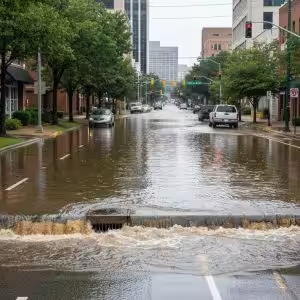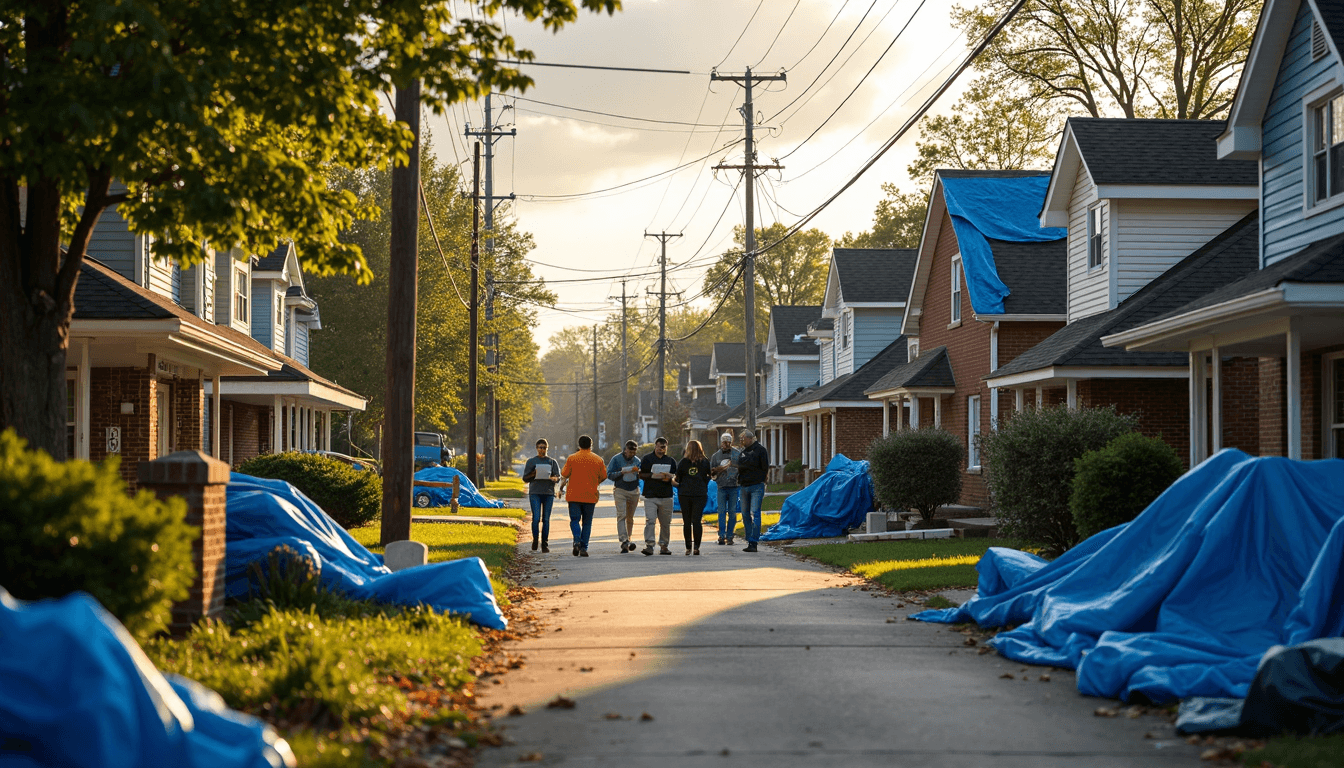
Disaster recovery funding in Charlotte is more than just paperwork after a storm. It turns out, the Small Business Administration has given out loans of up to $2 million for local businesses and $500,000 for homeowners after federally declared disasters. Most people think getting help is all about who has the best insurance, but timing, strategy, and knowing unexpected application routes often matter even more. Missing a single document or deadline could be the difference between swift recovery and months of financial strain.
Table of Contents
- Understanding Disaster Recovery Funding Options
- Eligibility For Disaster Recovery Assistance In Charlotte
- How To Apply For Funding After A Disaster
- Tips To Maximize Disaster Recovery Claims
Quick Summary
| Takeaway | Explanation |
|---|---|
| Understand Funding Options | Familiarize yourself with federal and state disaster recovery resources, including loans up to $2 million for businesses and $500,000 for homeowners from the SBA. |
| Document Thoroughly | Prepare comprehensive documentation detailing property damage, repair costs, and financial impacts to support your funding application and insurance claims. |
| Act Quickly | Submit applications and insurance claims immediately after disaster declarations to meet strict deadlines and improve your chances of recovery. |
| Utilize Multiple Resources | Combine loans, grants, and insurance claims to maximize available funding; consider consulting professional restoration services for guidance. |
| Know Eligibility Criteria | Ensure your property qualifies for assistance by reviewing disaster types, geographic considerations, and specific individual or business qualifications. |
Understanding Disaster Recovery Funding Options
Disaster recovery funding represents a critical lifeline for property owners and businesses facing unexpected catastrophic events in Charlotte. When natural disasters strike, the financial burden can be overwhelming, making understanding available funding options essential for rapid and effective recovery.

Federal and State Disaster Recovery Resources
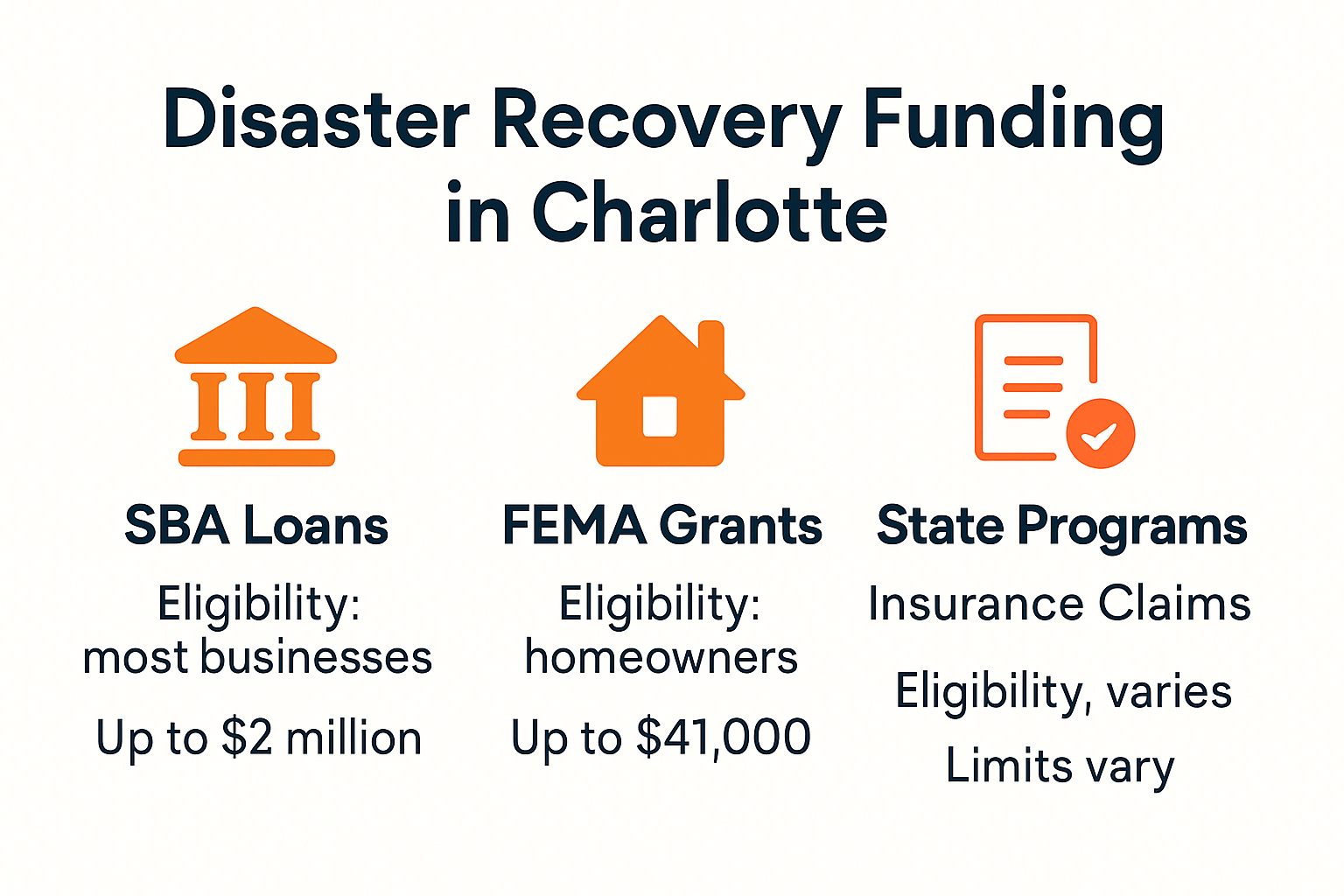
The U.S. Small Business Administration (SBA) provides a comprehensive disaster recovery funding framework for Charlotte property owners and businesses. Disaster recovery loans offer crucial financial support with low interest rates. Businesses can access loans up to $2 million for property repairs and replacement, while homeowners can secure loans up to $500,000 for primary residence restoration.
North Carolina offers additional state level support through specialized programs. The Carolina Small Business Development Fund provides targeted resources, including a Small Business Disaster Recovery & Resiliency Kit designed to help small business owners navigate post disaster financial challenges.
Navigating Insurance and Grant Opportunities
Property owners must understand the multifaceted landscape of disaster recovery funding. Beyond traditional loans, several funding channels exist. Federal Emergency Management Agency (FEMA) grants provide direct financial assistance for uninsured or underinsured property damage. These grants can cover essential repairs, temporary housing, and other critical recovery needs.
Insurance claims represent another vital funding avenue. Learn more about maximizing your insurance claim recovery with professional guidance. Property owners should meticulously document all damage, maintain comprehensive records, and work closely with insurance adjusters to ensure maximum compensation.
Strategic Funding Application Process
Successful disaster recovery funding requires a strategic approach. Property owners should:
- Act Quickly: File applications immediately after disaster declaration
- Gather Documentation: Collect comprehensive damage evidence
- Understand Eligibility: Review specific program requirements
- Explore Multiple Channels: Combine loans, grants, and insurance claims
Professional restoration services can provide invaluable assistance in navigating these complex funding landscapes. Their expertise helps property owners understand available resources, prepare accurate documentation, and maximize potential recovery funds.
The path to recovery starts with comprehensive knowledge and proactive financial planning. By understanding disaster recovery funding options, Charlotte property owners can transform potential financial devastation into a structured, manageable recovery process.
To help clarify and compare the major disaster recovery funding options mentioned, the following table organizes their key features:
| Funding Source | Who Qualifies | Maximum Funding | Primary Uses |
|---|---|---|---|
| SBA Disaster Loans | Homeowners & Businesses | $2 million (business) $500,000 (homeowner) |
Property repair, equipment, lost inventory |
| FEMA Grants | Uninsured/Underinsured Property Owners | Varies (need-based) | Essential repairs, temporary housing, critical recovery needs |
| State/NC Programs | Small Businesses | Varies by program | Targeted resources, resiliency kits |
| Insurance Claims | Insured Property Owners | Up to policy limits | Repair/replace covered damages |
Eligibility for Disaster Recovery Assistance in Charlotte
Disaster recovery assistance in Charlotte involves a complex network of eligibility criteria that property owners and businesses must carefully navigate to secure essential financial support. Understanding these requirements is crucial for successful recovery after catastrophic events.
Qualifying Disaster Types and Geographic Considerations
Eligibility for disaster recovery assistance primarily depends on official disaster declarations. The U.S. Small Business Administration specifically identifies Mecklenburg County and surrounding areas for targeted disaster recovery support. Eligible events typically include:
- Natural Disasters: Hurricanes, floods, severe storms
- Catastrophic Events: Significant wind damage, tornados
- Extreme Weather Conditions: Prolonged drought, extreme temperature events
Property owners must demonstrate that their damage resulted from federally recognized disaster events. This often requires documentation from local emergency management agencies and comprehensive damage assessments.
Individual and Business Qualification Criteria
Recovery assistance eligibility varies between individual property owners and businesses. Homeowners must prove:
- Primary residence location within declared disaster area
- Uninsured or underinsured property damage
- Financial inability to recover without assistance
Businesses face additional requirements. Find expert guidance on navigating recovery services to understand specific qualification standards. Commercial entities must demonstrate:
- Operational status prior to disaster
- Substantial economic impact from the event
- Documented financial losses
- Inability to secure traditional financing
Documentation and Application Requirements
Successful disaster recovery assistance requires meticulous documentation. Applicants must prepare:
- Comprehensive property damage photographs
- Detailed repair cost estimates
- Insurance claim documentation
- Proof of property ownership
- Financial statements showing economic impact
Timely application submission is critical. Most recovery programs have strict deadlines following official disaster declarations. Property owners and businesses should act quickly, gathering required documentation and submitting applications within specified timeframes.
Professional restoration services can provide invaluable support in preparing complex application packages. Their expertise helps applicants understand nuanced eligibility requirements and maximize potential recovery resources.
Understanding these eligibility criteria transforms potential financial uncertainty into a structured path toward recovery. Charlotte property owners who proactively prepare and thoroughly document their disaster impacts increase their chances of securing essential financial assistance.
To further clarify the distinct requirements for homeowners versus businesses seeking disaster assistance, the following table summarizes eligibility criteria:
| Criteria | Homeowners | Businesses |
|---|---|---|
| Location | Declared disaster area | Declared disaster area |
| Damage Type | Primary residence, uninsured/underinsured | Property/equipment loss, economic impact |
| Financial Need | Must show inability to recover on own | Documented losses, denied traditional loans |
| Operational Status | N/A | Active before disaster |
| Required Documentation | Ownership proof, photos, repair estimates | Financials, loss records, ownership proof |
How to Apply for Funding After a Disaster
Navigating the disaster recovery funding application process requires precision, patience, and strategic preparation. Property owners and businesses in Charlotte must understand the intricate steps to successfully secure financial assistance during challenging times.
Initial Application Preparation
Before initiating any funding application, comprehensive documentation becomes your most critical asset. Learn about comprehensive damage documentation strategies to strengthen your funding request. Applicants should gather essential materials including:
- Detailed property damage photographs
- Comprehensive repair estimates
- Insurance policy documentation
- Proof of property ownership
- Financial statements demonstrating economic impact
- Government issued identification
According to FEMA guidelines, individuals must first confirm their residence is within a presidentially declared disaster area. This qualification represents the foundational requirement for most federal disaster recovery funding programs.
Application Submission Channels
Multiple application channels exist for disaster recovery funding. The U.S. Small Business Administration offers diverse submission methods to accommodate different applicant preferences:
- Online Applications: Submit through DisasterAssistance.gov or SBA.gov
- Telephone Registration: Call 1-800-621-3362 for direct assistance
- Mobile Application: Use the official FEMA mobile application
- In Person: Visit local Disaster Recovery Centers
Each submission channel requires identical documentation, so applicants should prepare comprehensive records before initiating their application. Accuracy and completeness significantly improve funding approval chances.
Strategic Application Approach
Successful disaster recovery funding applications demand strategic preparation. Key recommendations include:
- Submit applications immediately after disaster declaration
- Verify all documentation accuracy before submission
- Maintain detailed communication logs
- Follow up consistently on application status
- Be prepared to provide additional information if requested
- Understand specific program requirements
Professional restoration services can provide invaluable guidance throughout this complex process. Their expertise helps applicants navigate bureaucratic requirements, maximize potential funding, and avoid common application pitfalls.
Time represents a critical factor in disaster recovery funding. Most programs operate under strict deadlines, making prompt and thorough application submission essential. Charlotte property owners who approach the process methodically increase their likelihood of securing necessary financial support.
Remember that each disaster recovery funding application is unique. While general guidelines exist, individual circumstances significantly influence the application process. Patience, diligence, and comprehensive documentation form the cornerstone of successful funding requests.
Tips to Maximize Disaster Recovery Claims
Maximizing disaster recovery claims requires strategic planning, meticulous documentation, and a comprehensive understanding of the claims process. Property owners and businesses in Charlotte can significantly improve their chances of securing full financial compensation by implementing targeted strategies.
Comprehensive Documentation Strategies
Documentation represents the cornerstone of successful disaster recovery claims. Find expert guidance on thorough damage assessment to ensure comprehensive evidence collection. According to insurance industry experts, property owners should:
- Photograph damage from multiple angles
- Create detailed written damage descriptions
- Preserve all damaged items when possible
- Maintain chronological records of damage progression
- Collect professional assessment reports
- Document temporary repair expenses
The Risk and Insurance Management Society emphasizes the importance of creating a formal disaster recovery plan that includes specific documentation protocols. This proactive approach can significantly streamline the claims process and maximize potential recovery.
Strategic Claim Preparation
Successful claims require more than just documentation. Property owners must approach the process strategically:
- Review Insurance Policies Thoroughly: Understand exact coverage details
- Act Quickly: File claims immediately after disaster assessment
- Communicate Clearly: Maintain detailed communication logs
- Seek Professional Assistance: Consider hiring a public adjuster
- Prevent Further Damage: Implement immediate mitigation measures
According to research from leading insurance organizations, claims that demonstrate proactive damage mitigation receive more favorable consideration.
Navigating Complex Claim Challenges
Disaster recovery claims often involve complex negotiations. Property owners should:
- Challenge initial assessment values
- Obtain independent damage estimates
- Understand appeal processes
- Maintain comprehensive financial records
- Document all communication with insurance providers
Professional restoration services can provide critical support during this process. Their expertise helps property owners navigate intricate claim requirements, identify potential overlooked damages, and maximize potential compensation.
Time is a critical factor in disaster recovery claims. Most insurance policies and government assistance programs operate under strict reporting deadlines. Charlotte property owners who approach claims systematically and promptly increase their likelihood of full financial recovery.
Remember that each disaster recovery claim is unique. While general strategies exist, individual circumstances significantly influence claim outcomes. Patience, detailed documentation, and professional guidance form the foundation of successful disaster recovery claims.
Frequently Asked Questions
What types of disaster recovery funding are available in Charlotte?
Disaster recovery funding options in Charlotte include SBA disaster loans for businesses and homeowners, FEMA grants for uninsured or underinsured property damage, state-level support programs, and insurance claims for covered damages.
How much financial assistance can homeowners and businesses receive after a disaster?
Homeowners can receive up to $500,000, while businesses can access loans of up to $2 million through the Small Business Administration for recovery efforts following federally declared disasters.
What are the eligibility requirements for disaster recovery assistance in Charlotte?
Eligibility depends on the type of disaster, location within designated areas, and financial need after proving that damages were incurred from federally recognized events. Homeowners must show their primary residence was impacted, while businesses need to document operational status and financial losses.
How can property owners apply for disaster recovery funding?
Property owners can apply for disaster recovery funding through various channels, such as online applications via DisasterAssistance.gov, telephone registration, or in-person visits to local Disaster Recovery Centers. It’s crucial to prepare comprehensive documentation before submission.
Simplify Your Disaster Recovery and Maximize Your Claim Success in Charlotte
Rebuilding after a disaster in Charlotte can feel overwhelming, especially when trying to access funding and navigate complex insurance claims. The article highlights how a single missed document or tight deadline can put both your property and finances at risk. NICS understands these challenges. Our team specializes in helping local homeowners and businesses secure the full disaster recovery funding they deserve. With experience in disaster recovery, comprehensive documentation, and maximizing insurance claim recovery, we guide you every step of the way so you never feel lost or alone.
Whether you are worried about collecting the right evidence for your claim or unsure how to approach your funding application, NICS is ready to support you right now. Visit National Insurance Claim Specialist for a free consultation or take the next step by learning about comprehensive damage documentation strategies. Do not wait until critical deadlines close. Make your recovery easier and ensure you receive every dollar you are entitled to by contacting us today.
Recommended
- Charlotte Restoration: Find Top Disaster Recovery Services
- Rebuilding Lives: Understanding the Significance of Restoration Services After a Disaster – Fire Damage Repair and Water Damage Repair Charlotte NC
- Expert Fire Damage Restoration Services – Fire Damage Repair and Water Damage Repair Charlotte NC
- Storm Damage Repair Costs: What to Expect in 2025 – Fire Damage Repair and Water Damage Repair Charlotte NC
- Mastering the Claim Process: How to File for Roof Damage – Fire Damage Repair and Water Damage Repair Charlotte NC
- Unmatched Excellence: Why National Insurance Claim Specialist is Your Top Choice – Fire Damage Repair and Water Damage Repair Charlotte NC