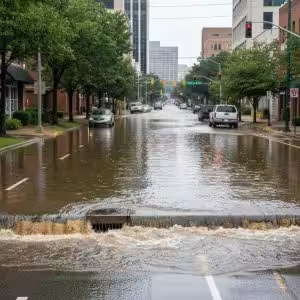
Disaster prep in Charlotte is often overlooked until the storm is already on the radar. People might expect hurricanes or flooding, but few realize that over 80 percent of severe weather claims in North Carolina involve water and wind damage to roofs and foundations. Here’s where it gets interesting. Most property owners still skip the critical steps that could mean the difference between a minor headache and total loss. What’s missing from nearly every checklist will surprise you.
Table of Contents
- Preparing Your Property For A Disaster
- Immediate Actions To Take After A Disaster
- Coordinating With Insurance And Legal Teams
- Business Continuity Tips For Charlotte Property Owners
Quick Summary
| Takeaway | Explanation |
|---|---|
| Conduct Regular Property Assessments | Regularly inspect and reinforce your property’s structural elements, focusing on roofs and foundations to minimize damage during severe weather events. |
| Document Everything After a Disaster | Create a comprehensive record of damage through extensive photos and videos to support insurance claims and facilitate recovery assistance. |
| Implement a Business Continuity Plan | Develop a robust disaster response framework that includes risk assessments, communication protocols, and backup strategies to ensure operational resilience during disasters. |
| Prepare an Emergency Kit | Assemble an emergency preparedness kit with essential supplies and establish clear evacuation plans to improve readiness for potential disasters. |
| Engage Legal and Insurance Support | Coordinate with insurance and legal teams to navigate claims processes effectively and protect your rights during recovery efforts. |
Preparing Your Property for a Disaster
Disaster preparedness requires strategic planning and proactive measures to protect your property from potential damage. Charlotte residents face various environmental risks including hurricanes, severe storms, and flooding that can cause significant structural and financial harm. Understanding how to prepare your property effectively can mean the difference between minimal damage and catastrophic loss.
Structural Reinforcement and Protection
Protecting your property starts with comprehensive structural assessments and strategic reinforcements. Learn more about effective disaster recovery strategies that can help minimize potential damage. Windows and doors represent critical vulnerability points during extreme weather events. According to the North Carolina Historic Preservation Office, installing hurricane shutters or sturdy plywood can prevent water infiltration and reduce structural stress during high winds.
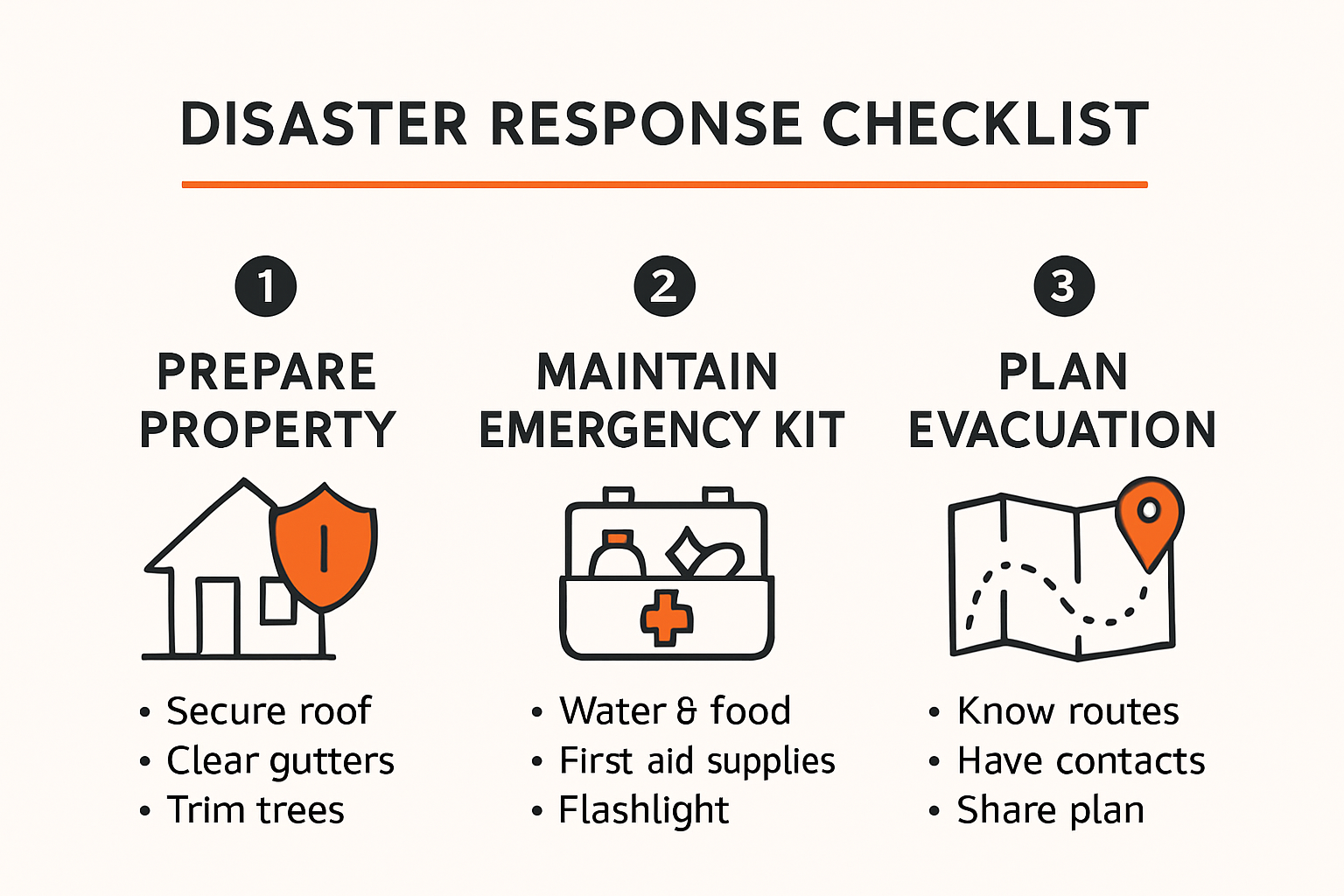
Homeowners should prioritize several key protective measures. Roof inspection is crucial since it serves as your primary defense against water intrusion. Check for loose shingles, potential weak spots, and ensure proper sealing. Foundation reinforcement involves identifying and addressing potential structural weaknesses that could compromise your home’s integrity during severe weather events.
Critical Property Maintenance Strategies
Regular maintenance plays a pivotal role in disaster preparedness. North Carolina Housing Finance Agency recommends thorough gutter and downspout maintenance to ensure proper water drainage. Clogged drainage systems can lead to roof leaks, foundation damage, and potential water intrusion during heavy rainfall. Homeowners should:
- Clear debris from gutters and downspouts regularly
- Inspect drainage paths around the property
- Seal potential entry points for water
Additionally, creating a comprehensive inventory of your property becomes essential for insurance and recovery purposes. Photograph and document valuable possessions, structural elements, and maintain digital and physical copies of important documents stored in waterproof and fireproof containers.
Emergency Preparedness Kit and Evacuation Planning
Beyond physical property protection, develop a robust emergency preparedness strategy.  Create an emergency kit containing essential supplies like water, non perishable food, first aid materials, flashlights, batteries, and important documents. Establish clear evacuation routes and communication plans with family members. Consider potential temporary housing options and keep emergency contact information readily accessible.
By implementing these strategic approaches, Charlotte property owners can significantly reduce potential disaster related risks and enhance their property’s resilience against unexpected environmental challenges. Proactive preparation transforms potential vulnerability into strategic readiness.
Here is a table summarizing essential emergency kit contents and evacuation planning steps for disaster preparedness:
| Emergency Kit Essential | Purpose | Evacuation Planning Steps |
|---|---|---|
| Water | Hydration and sanitation | Plan evacuation routes |
| Non-perishable food | Nutrition | Establish family communication plan |
| First aid materials | Medical emergencies | Identify temporary housing options |
| Flashlights & batteries | Lighting during outages | Keep emergency contact info handy |
| Important documents | Identification & assistance | Store documents in safe containers |
Immediate Actions to Take After a Disaster
In the chaotic aftermath of a disaster, quick and strategic actions can significantly impact your safety, property recovery, and insurance claims process. Charlotte residents must understand the critical steps to take immediately following a catastrophic event to protect themselves and minimize potential long term damage.
Ensuring Personal Safety and Initial Assessment
Personal safety remains the paramount priority during any disaster scenario. According to the Emergency Management and Mitigation Center, individuals should never return home until local officials have declared the area safe. Potential hazards like electrical lines, gas leaks, and structural damage can pose immediate risks. Learn more about comprehensive disaster recovery strategies that can guide your immediate response.
Before re entering your property, conduct a careful external assessment. Check for visible structural damage, fallen power lines, and potential gas leaks. Wear protective gear like sturdy shoes, gloves, and a mask. If you detect any gas odors or see exposed electrical wires, contact local authorities immediately and do not attempt to investigate independently.
Documentation and Insurance Claim Preparation
Precise documentation becomes crucial for successful insurance claims and potential disaster recovery assistance. The North Carolina Emergency Management Agency recommends extensive photographic and video documentation of all property damage. Your documentation should include:
- Comprehensive property images showing exterior and interior damage
- Detailed video recordings capturing the extent of destruction
- Inventory of damaged personal belongings
- Timestamp and location metadata for all visual evidence
Organize these documents systematically. Create digital backups and store physical copies in waterproof containers. Contact your insurance provider promptly to initiate the claims process. Many insurers have specific timelines and requirements for damage reporting.
Immediate Property Stabilization and Recovery
Stabilizing your property prevents further damage and accelerates the recovery process. Temporary measures like covering broken windows with plywood, removing standing water, and preventing additional moisture intrusion can mitigate long term structural issues. Professional restoration services can provide expert guidance on immediate property preservation techniques.
Reach out to local disaster recovery services for professional assessment and support. They can help identify hidden damages, recommend immediate repairs, and guide you through the complex recovery process. Remember that quick action can prevent secondary damage like mold growth, structural deterioration, and additional property complications.
By following these strategic steps, Charlotte residents can navigate the challenging aftermath of a disaster with clarity, safety, and a proactive approach to property recovery. Your preparedness and swift response can make a significant difference in minimizing potential long term impacts.
Below is a table summarizing immediate actions to take after a disaster, their purpose, and any required precautions:
| Immediate Action | Purpose | Required Precautions |
|---|---|---|
| Wait for official “all clear” signal | Ensure safe re-entry | Heed local authority notices |
| Inspect property exterior | Identify visible hazards | Wear sturdy gear; stay clear of hazards |
| Document all damages (photo/video) | Support insurance and recovery efforts | Avoid disturbing evidence |
| Contact insurance provider promptly | Initiate claims process | Know required reporting timelines |
| Stabilize property (e.g. board up) | Prevent further structural damage | Use temporary solutions only |
| Remove standing water | Limit additional moisture damage | Beware of electric shock risks |
| Contact disaster recovery services | Get professional assessment/assistance | Vet credentials and reviews |
Coordinating with Insurance and Legal Teams
Navigating the complex landscape of insurance claims and legal processes after a disaster requires strategic planning and professional guidance. Charlotte residents must understand how to effectively communicate with insurance providers and legal professionals to protect their interests and secure appropriate compensation for property damage.
Understanding Insurance Claim Processes
Insurance claim processes can be intricate and overwhelming in the aftermath of a disaster. Learn more about comprehensive claim strategies that can help streamline your recovery. According to the North Carolina Department of Insurance, homeowners should initiate their claim process immediately after documenting property damage. Prepare a comprehensive file including:
- Detailed photographic evidence of all damage
- Inventory of lost or damaged possessions
- Original repair estimates
- Communication logs with insurance representatives
Be prepared for the insurance adjuster’s visit. Clean and organize the damaged areas, but do not make permanent repairs before the adjuster’s assessment. Keep all receipts for temporary repairs and living expenses, as these might be reimbursable under your policy.
Legal Support and Rights Protection
Legal assistance becomes crucial in complex disaster recovery scenarios. The Legal Aid of North Carolina provides specialized support for disaster survivors, helping them navigate insurance claims, contractor disputes, and property ownership challenges. Professional legal guidance can help you:
- Understand your policy’s full coverage
- Negotiate fair settlements
- Protect against potential contractor fraud
- Resolve disputes with insurance providers
Consider consulting with an attorney specializing in insurance claims and disaster recovery. They can review your policy, identify potential areas of additional compensation, and ensure your rights are fully protected throughout the claims process.
Documenting and Tracking Recovery Efforts
Maintaining meticulous records is critical during the insurance and legal coordination process. Create a dedicated file or digital folder containing all relevant documents. This should include correspondence with insurance companies, legal teams, contractors, and any government assistance programs. Document every phone call, email, and meeting with detailed notes about discussions, promises, and agreements.
Timely and organized communication can significantly impact your recovery process. Be proactive in following up with your insurance provider and legal team. Ask clear questions, request written explanations of any complex terms, and maintain a professional yet persistent approach to your claim.
By understanding these critical steps and maintaining comprehensive documentation, Charlotte residents can effectively navigate the challenging aftermath of a disaster. Professional support from insurance and legal teams can transform a potentially overwhelming experience into a structured path toward property recovery and financial restoration.
Business Continuity Tips for Charlotte Property Owners
Business continuity planning represents a critical strategy for Charlotte property owners to protect their investments and maintain operational resilience during unexpected disaster scenarios. Understanding and implementing comprehensive preparedness measures can significantly mitigate potential financial and operational disruptions.
Developing a Robust Disaster Response Framework
Strategic planning forms the foundation of effective business continuity. Discover comprehensive disaster recovery strategies that can help safeguard your property investments. According to the North Carolina State University Extension, property owners should develop a comprehensive disaster response framework that includes:
- Detailed risk assessment for potential regional disaster scenarios
- Clear communication protocols for stakeholders
- Backup systems and data protection strategies
- Emergency resource allocation plans
Prioritize creating digital and physical backup systems for critical business documents. Store important records in secure, waterproof, and fireproof containers. Implement cloud storage solutions to ensure data accessibility even if physical infrastructure is compromised.
Technology and Infrastructure Resilience
Technology infrastructure plays a crucial role in business continuity. The North Carolina Department of Information Technology recommends developing comprehensive technology recovery strategies. Key considerations include:
- Redundant internet connectivity options
- Uninterruptible power supply systems
- Remote work capabilities
- Cybersecurity protection during recovery periods
Invest in portable generators, backup internet solutions, and mobile communication devices. Ensure your team can operate efficiently from alternative locations if primary business premises become inaccessible.
Financial and Insurance Preparedness
Financial resilience is fundamental to effective business continuity. Develop a comprehensive financial strategy that includes maintaining adequate insurance coverage, establishing emergency funds, and creating flexible financial contingency plans. Work closely with financial advisors and insurance providers to develop coverage that addresses specific regional disaster risks.
Consider business interruption insurance that covers potential revenue losses during recovery periods. Maintain detailed financial records and develop relationships with local financial institutions that understand regional disaster recovery challenges.
By implementing these strategic approaches, Charlotte property owners can transform potential vulnerability into operational resilience. Proactive planning, comprehensive risk assessment, and adaptive strategies will enable businesses to navigate unexpected challenges with confidence and efficiency. Remember that disaster preparedness is an ongoing process requiring regular review and adaptation to changing environmental and technological landscapes.
Frequently Asked Questions
What should I include in my emergency preparedness kit for disasters in Charlotte?
Assemble an emergency kit with essential supplies like water, non-perishable food, first aid materials, flashlights, batteries, and important documents. Ensure that you have a family communication plan and establish clear evacuation routes.
How can I reinforce my property to withstand severe weather in Charlotte?
Focus on structural assessments and reinforcements, especially for roofs and foundations. Install hurricane shutters, conduct roof inspections, and clear gutters and downspouts to ensure proper drainage and reduce risk of water intrusion during storms.
What immediate actions should I take after a disaster strikes?
Prioritize personal safety by waiting for official clearance before re-entering your property. Conduct a thorough external assessment, document all damages with photos and videos, contact your insurance provider, and stabilize your property to prevent further damage.
Why is it important to document damage after a disaster?
Documenting damage through photographs and videos is crucial for supporting insurance claims and recovery assistance. Accurate records help ensure you receive proper compensation for repairs and losses incurred due to the disaster.
Restore Confidence in Your Disaster Response with Professional Help
When disaster hits Charlotte, it is not just about having a checklist. It is about knowing who will support you when the unexpected causes roof damage, foundation issues, or leaves your insurance claim in doubt. As discussed above, missing even one crucial step or failing to document your losses can cost you time, money, and peace of mind. Many homeowners and businesses struggle with the stress of filing insurance claims and managing urgent repairs after storms and floods. The financial and emotional impact can be overwhelming unless you have skilled experts on your side.
At National Insurance Claim Specialist, we turn your planning into action. Our team manages every detail, from immediate stabilization and thorough documentation to full damage restoration and navigating complex insurance claims. You deserve a transparent, ethical partner committed to protecting your property and helping you recover the compensation you are entitled to—fast. If you want to ensure your property, your safety, and your future are in good hands, explore our comprehensive disaster recovery solutions today. Let us help you take the next step toward a full recovery while there is still time to act.
Recommended
- Charlotte Restoration: Find Top Disaster Recovery Services
- Rebuilding Lives: Understanding the Significance of Restoration Services After a Disaster – Fire Damage Repair and Water Damage Repair Charlotte NC
- Expert Fire Damage Restoration Services – Fire Damage Repair and Water Damage Repair Charlotte NC
- NIC’s Restoration: Your Trusted Restoration Experts
- Storm Damage Repair Costs: What to Expect in 2025 – Fire Damage Repair and Water Damage Repair Charlotte NC
- Roof Inspections & Safety: Your Guide to a Secure Roof