Building code restoration in Charlotte comes with its own set of challenges and surprises. You might expect the rules to be just red tape, but the numbers tell a different story. Major code changes affecting all residential buildings—including triplexes and quadplexes—take effect on July 1, 2025, fundamentally reshaping compliance requirements for property owners. Instead of being a routine checklist, these updates can trigger everything from insurance complications to significant shifts in property value. The unexpected twist: choosing the wrong contractor or missing a single permit can stall your project for months. Here’s what Charlotte property owners really need to prepare for.
Table of Contents
- Understanding Building Code Restoration Requirements
- Common Triggers For Code Upgrades In Charlotte
- Steps To Navigate Insurance And Legal Issues
- Choosing The Right Professionals For Restoration
Quick Summary
| Takeaway | Explanation |
|---|---|
| Understanding Building Codes is Essential | Property owners in Charlotte must grasp the North Carolina State Building Code framework, which outlines required safety and structural compliance standards for restoration efforts. |
| Proactive Management of Code Triggers | Recognizing triggers for code upgrades, such as changes in occupancy or significant renovations, allows property owners to make informed decisions that enhance safety and property value. |
| Navigating Insurance and Legal Complexities | A methodical approach to insurance claims and understanding legal considerations are vital for property owners during restoration, ensuring they protect their interests and comply with requirements. |
| Selecting Qualified Professionals | Choosing licensed restoration professionals familiar with local building codes is critical for successful restoration and compliance, enhancing the likelihood of favorable project outcomes. |
Understanding Building Code Restoration Requirements
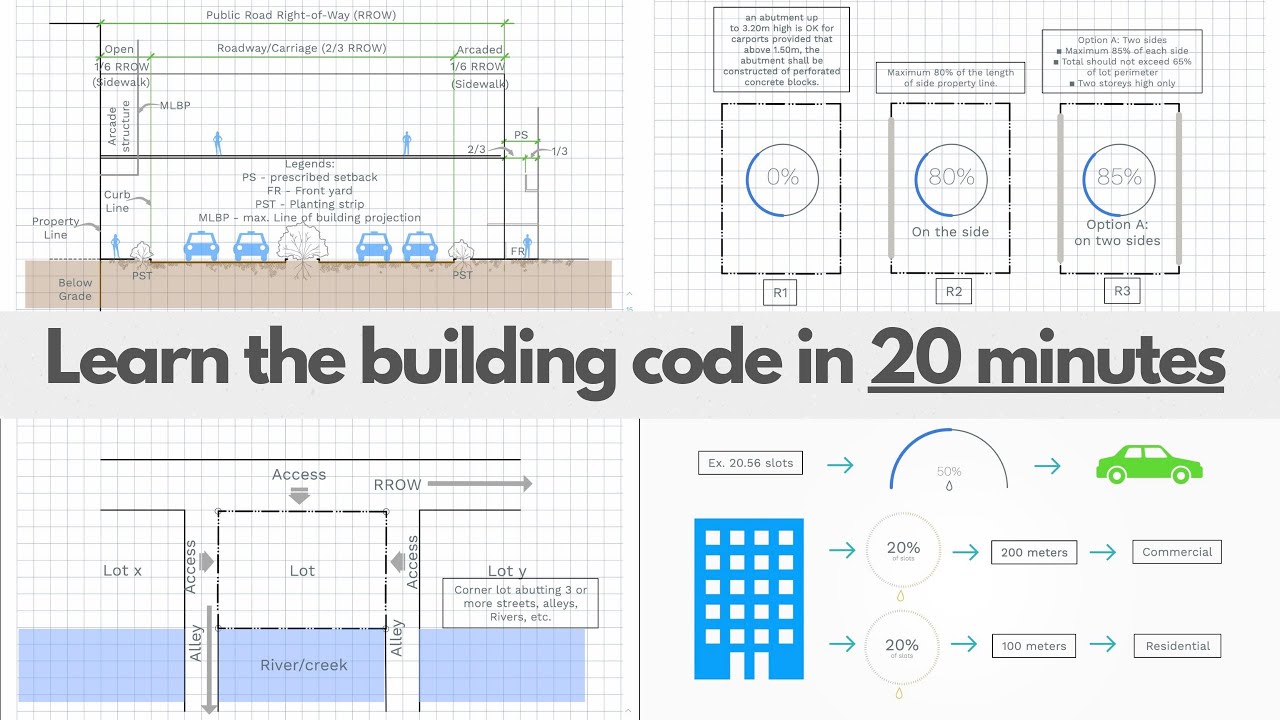
Building code restoration represents a critical process for property owners in Charlotte, ensuring structures meet current safety standards and regulatory requirements after damage or significant modifications. These requirements are not simply bureaucratic hurdles but essential protocols designed to protect property owners, residents, and the broader community from potential structural risks.
Navigating North Carolina’s Building Code Framework
The North Carolina State Building Code provides a comprehensive framework for restoration and reconstruction activities. According to the North Carolina Building Code Council, the current building codes remain based on the 2018 standards, with updates anticipated after April 1, 2026. Property owners must understand that these codes encompass multiple critical aspects including structural integrity, electrical systems, plumbing, mechanical systems, and fire safety standards.
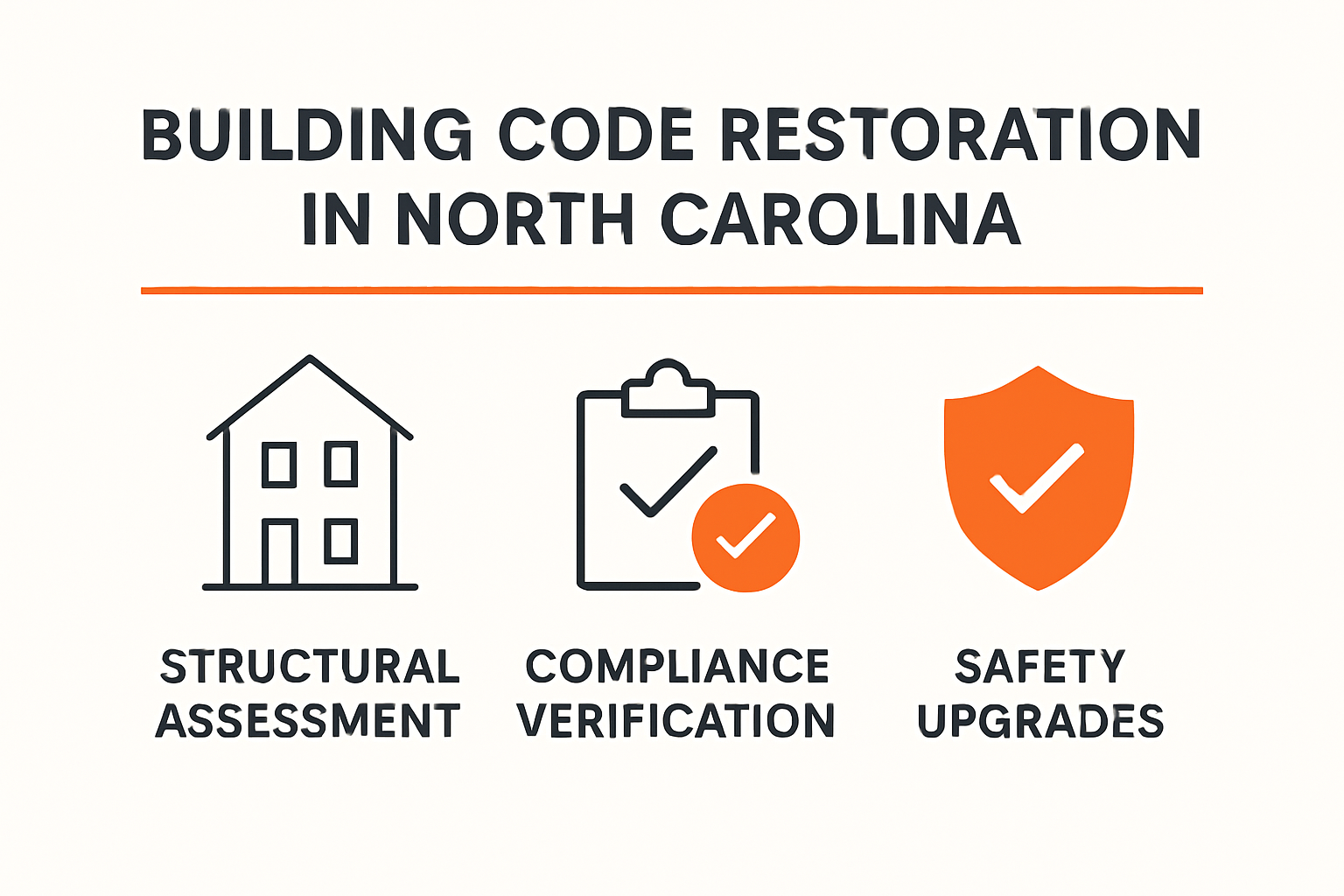
Key components of building code restoration requirements include:
- Structural Assessment: A comprehensive evaluation of existing building conditions
- Compliance Verification: Ensuring all restoration work meets current regulatory standards
- Safety Upgrades: Implementing necessary improvements to meet modern building performance requirements
Permitting and Compliance Processes
Restoration projects in Charlotte require meticulous attention to permitting processes. Mecklenburg County Code Enforcement mandates detailed documentation and inspections for any significant restoration work. Property owners must submit comprehensive plans demonstrating how proposed restoration activities will align with existing building codes.
The restoration process typically involves multiple steps:
- Initial damage assessment
- Detailed documentation of existing conditions
- Development of restoration strategy
- Obtaining necessary permits
- Completing work under official inspection
While navigating these requirements might seem complex, understanding them is crucial. Property owners can benefit from our comprehensive guide on restoration services to better comprehend the intricate details of building code restoration.
Professional guidance becomes invaluable during this process. Local building code experts and licensed contractors can provide targeted advice specific to Charlotte’s regulatory environment, helping property owners successfully navigate the intricate landscape of building code restoration requirements.
Ultimately, building code restoration is more than a technical process. It represents a commitment to safety, preservation, and responsible property management. By understanding and adhering to these critical requirements, property owners protect their investments and contribute to the broader community’s structural resilience.
Common Triggers for Code Upgrades in Charlotte
Building code upgrades in Charlotte represent a critical aspect of property maintenance and safety, driven by various complex factors that extend beyond simple regulatory compliance. Property owners must understand these triggers to proactively manage their investments and ensure structural integrity.
Legislative and Regulatory Changes
Significant code upgrade triggers emerge from legislative modifications. The North Carolina State Building Code Council has introduced substantial updates set to become effective July 1, 2025, which will fundamentally reshape code compliance requirements. According to Skyline Technical Institute, these changes are particularly impactful for residential properties, especially one to four unit dwellings like triplexes and quadplexes.
Key legislative triggers include:
- Residential Code Expansion: Broader coverage of residential building types
- Regulatory Restructuring: New dedicated Residential Code Council
- Interpretation Standards: Modified approaches to code appeals and interpretations
Structural and Safety Modification Triggers
Multiple scenarios can necessitate code upgrades beyond legislative mandates. Major renovation projects, significant structural changes, or changes in building usage frequently require comprehensive code compliance reviews. These triggers are not arbitrary but designed to enhance public safety and maintain high construction standards.
Common upgrade triggers include:
- Substantial structural modifications
- Changes in building occupancy or use
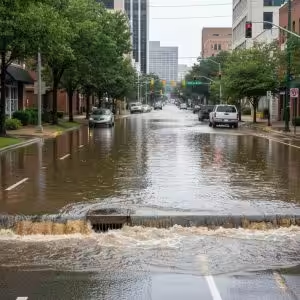
- Damage from natural disasters
- Significant electrical or mechanical system replacements
- Accessibility improvement projects
Financial and Insurance Considerations
Financial implications often drive code upgrade decisions. Insurance providers and mortgage lenders increasingly require properties to meet current building code standards. Learn more about our restoration approach to understand how these upgrades can protect your property investment.
Property owners should recognize that proactive code upgrades can:
- Reduce long term maintenance costs
- Improve property value
- Enhance structural safety
- Lower insurance premiums
- Ensure compliance with current regulations
Understanding these triggers allows Charlotte property owners to make informed decisions about their buildings. While navigating code upgrades might seem complex, strategic planning and professional guidance can transform these requirements from challenging obstacles into opportunities for improving property resilience and value.

Steps to Navigate Insurance and Legal Issues
Navigation of insurance and legal challenges during building code restoration requires strategic planning and comprehensive understanding of complex regulatory landscapes. Property owners in Charlotte must approach these processes with meticulous attention to detail and proactive legal preparation.
Understanding Insurance Claim Complexities
Insurance claims related to building code restoration involve intricate legal considerations. According to the National Law Review, recent legislative changes have significantly impacted how insurance claims are processed and resolved. The delayed implementation of the 2024 North Carolina State Building Code creates additional complexities for property owners seeking comprehensive restoration coverage.
Critical insurance claim strategies include:
- Detailed Documentation: Comprehensive record keeping of all damage and restoration efforts
- Precise Claim Preparation: Thorough documentation of repair requirements
- Professional Assessment: Obtaining expert evaluations of restoration needs
Legal Considerations in Restoration Projects
North Carolina Senate Bill 166 introduces significant changes to construction and insurance claim processes. Property owners must understand these legal nuances to protect their interests. Key legal considerations involve:
- Verifying insurance policy coverage specifics
- Understanding building code compliance requirements
- Documenting all communication with insurers
- Identifying potential legal protections
- Recognizing potential dispute resolution mechanisms
Strategic Claim Management
Successful insurance and legal navigation requires a methodical approach. Learn more about our comprehensive restoration strategy to understand how professional guidance can mitigate potential legal challenges.
Property owners should consider:
- Consulting with legal professionals specializing in property restoration
- Maintaining transparent communication with insurance providers
- Understanding policy limitations and exclusions
- Documenting all restoration activities meticulously
- Obtaining multiple professional assessments
The intersection of insurance claims and building code restoration demands careful strategic planning. By understanding legislative changes, maintaining comprehensive documentation, and seeking professional guidance, property owners can effectively manage potential legal and insurance challenges.
Ultimately, successful navigation of these complex processes requires patience, detailed documentation, and a proactive approach to understanding evolving regulatory landscapes. Property owners who invest time in understanding these intricate requirements position themselves to achieve more favorable outcomes in their restoration efforts.
Choosing the Right Professionals for Restoration
Selecting the appropriate professionals for building code restoration represents a critical decision that can significantly impact the success, safety, and compliance of your property recovery efforts. Charlotte property owners must approach this selection process with strategic consideration and comprehensive evaluation of potential restoration experts.
Professional Licensing and Qualification Standards
The North Carolina State Board of Examiners mandates specific licensing requirements for restoration professionals. Until March 31, 2026, professionals must demonstrate competency under the 2018 Building Codes, ensuring they possess the technical expertise necessary for complex restoration projects.
Key professional qualification criteria include:
- Valid General Contractor License: Mandatory certification for restoration work
- Code Compliance Knowledge: Comprehensive understanding of current building regulations
- Specialized Technical Training: Expertise in specific restoration techniques
Evaluation Criteria for Restoration Professionals
Property owners should conduct thorough assessments when selecting restoration professionals. The North Carolina State Building Code Council emphasizes the importance of professionals who remain current with evolving regulatory standards. Critical evaluation factors encompass:
- Proven track record of successful restoration projects
- Comprehensive insurance and liability coverage
- Demonstrated familiarity with local building code requirements
- Advanced technical certifications
- Transparent communication and detailed project documentation
Strategic Selection Process
Discover our comprehensive approach to restoration services to understand the critical elements of professional selection. The most effective restoration professionals offer more than technical skills they provide holistic support throughout the recovery process.
Recommended selection strategies include:
- Requesting detailed project portfolios
- Checking professional references
- Verifying current licensing and certifications
- Conducting comprehensive initial consultations
- Comparing multiple professional proposals
Restoration professionals must demonstrate not just technical competence but also a nuanced understanding of local regulatory environments. Property owners who invest time in careful professional selection can significantly mitigate potential risks and ensure successful restoration outcomes.
Ultimately, the right restoration professional serves as a critical partner in navigating complex building code requirements. By prioritizing expertise, compliance knowledge, and proven performance, Charlotte property owners can confidently manage their restoration challenges and protect their valuable investments.
Frequently Asked Questions
What are the major building code changes for property owners in Charlotte effective July 1, 2025?
Major code changes include updates to compliance requirements for all residential buildings, including triplexes and quadplexes. These changes will impact safety and structural standards, leading to potential insurance complications and altered property values.
How can I prepare for building code restoration in Charlotte?
Property owners should familiarize themselves with the North Carolina State Building Code framework, understand the permitting process, recognize common triggers for code upgrades, and select qualified professionals for restoration work to ensure compliance and enhance property safety.
What triggers the need for code upgrades during restoration projects in Charlotte?
Common triggers include legislative changes, significant structural modifications, changes in building usage, and damage from natural disasters. Financial implications and insurance requirements can also prompt necessary upgrades to meet current building codes.
How can I navigate insurance challenges during building code restoration?
To manage insurance-related complexities, maintain detailed documentation of all damage and repairs, prepare precise insurance claims, and consult with legal or insurance professionals who specialize in property restoration to ensure effective communication with insurers and compliance with building codes.
Restore Confidence in Your Property With Building Code Experts
Facing the 2025 Charlotte building code overhaul can feel overwhelming. You worry about permit delays, compliance headaches, and getting insurance claims approved. The stakes are high: one mistake and your restoration could stall, costing you time, money, and peace of mind. At National Insurance Claim Specialist – Fire Damage Repair and Water Damage Repair Charlotte NC our licensed team turns complex building code restoration into a smooth, secure process. We guide Charlotte property owners step by step—handling code upgrades, securing the right permits, and fighting on your behalf for the insurance recovery you deserve.
Ready to stop stressing about the new code changes and get back to life? Discover how National Insurance Claim Specialist can restore your property and your sense of security. Take the first step today and protect your investment with experts who truly care about your outcome.
Recommended Articles
- NIC’s Restoration: Your Trusted Restoration Experts
- Charlotte Restoration: Find Top Disaster Recovery Services
- Expert Fire Damage Restoration Services – Fire Damage Repair and Water Damage Repair Charlotte NC
- Mastering the Claim Process: How to File for Roof Damage – Fire Damage Repair and Water Damage Repair Charlotte NC
- Home – Fire Damage Repair and Water Damage Repair Charlotte NC
- Roof Inspections & Safety: Your Guide to a Secure Roof